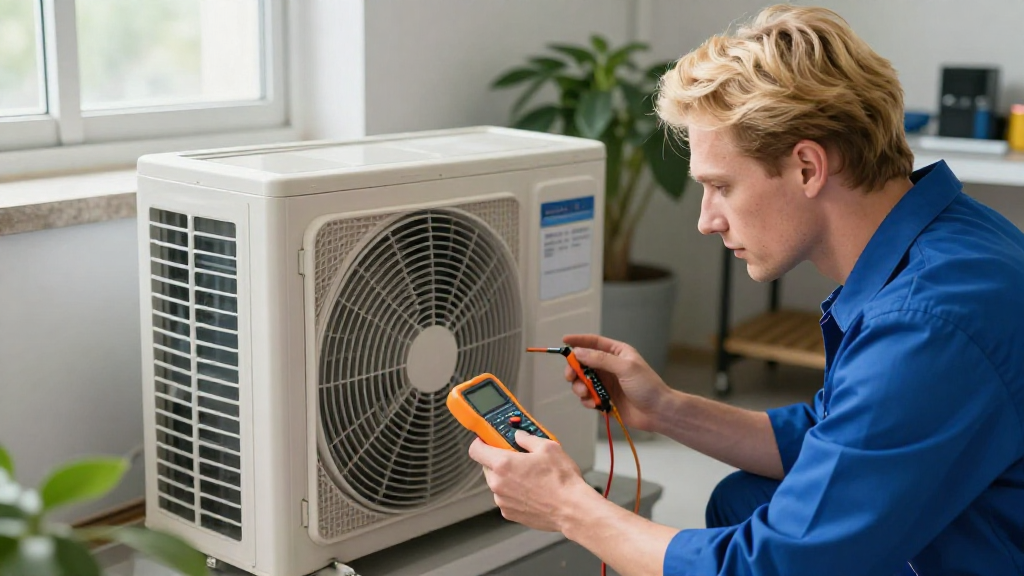
When your air conditioning system encounters problems, air conditioning troubleshooting can help you identify the issue and potentially save you from costly repairs.
What Are Common Air Conditioning Issues?
Air conditioning troubleshooting often begins with identifying common problems that can arise in both central systems and window units. Here are some frequent issues:
-
Inadequate cooling: When your air conditioner isn’t blowing cold air, it can be frustrating and uncomfortable.
-
No airflow: If you notice that your vents are barely blowing air, there may be an issue with your system.
-
Unusual noises: Strange sounds like clanking or hissing may indicate an underlying problem.
-
Water leaks: If you find water pooling around your air conditioning unit, it’s essential to troubleshoot the issue quickly, as it can lead to water damage.
-
Foul smells: Musty or burning odors can signal serious problems requiring immediate attention.
How to Start Air Conditioning Troubleshooting?
To effectively troubleshoot your air conditioning unit, follow these steps:
-
Check the thermostat settings: Ensure that the thermostat is set to “cool” and that the temperature setting is lower than the current room temperature.
-
Inspect the air filter: A dirty or clogged filter can restrict airflow. Replace it every one to three months for optimal performance.
-
Examine circuit breakers: Sometimes, the issue can stem from a tripped breaker. Locate your electrical panel and check for any tripped circuits related to your AC unit.
-
Look for blockages: Ensure that the outdoor and indoor units are free of debris, like leaves, dirt, or other obstructions.
-
Inspect the ductwork: Check for any visible damage or gaps in your ducts that could lead to air loss.
-
Listen for unusual noises: If you hear clanking, buzzing, or hissing, it could indicate loose parts, electrical issues, or refrigerant leaks.
-
Check for refrigerant leaks: If your unit isn’t cooling properly, it may be low on refrigerant due to a leak. This is a job best left to a professional technician.
What to Do If There’s No Airflow?
If your AC system is running but you’re experiencing a lack of airflow, consider these troubleshooting steps:
-
Change the air filter: A clogged filter can restrict airflow and decrease efficiency.
-
Inspect the vents: Ensure all vents are open and unobstructed. Check for furniture or other items blocking the airflow.
-
Examine ductwork: Look for gaps or cracks in the ducts, as these can lead to significant air loss.
-
Listen for the blower motor: If you hear a humming noise but no air movement, the blower motor might be malfunctioning and may need service.
What Should You Do If Your AC Doesn’t Cool?
If your air conditioning system runs but fails to cool your home, follow these steps for effective air conditioning troubleshooting:
-
Set the thermostat: Ensure the thermostat is correctly set to “cool” and that the temperature is set significantly lower than the current room temperature.
-
Examine the outdoor unit: Make sure it is free of debris, such as leaves or grass clippings, which could impede airflow.
-
Inspect the evaporator coils: Dust and dirt buildup on the coils can diminish their ability to cool the air. Gently clean them if needed.
-
Check for refrigerant issues: Low refrigerant levels can lead to inadequate cooling. A professional technician can help diagnose and fix refrigerant problems.
-
Ensure the condensate drain is clear: A clogged drain line can lead to water damage and affect your system’s efficiency.
How to Address Unusual Noises from Your AC?
Air conditioning troubleshooting also includes listening for unusual noises. Here’s what to do:
- Identify the type of noise:
- Clanking often indicates loose parts.
- Buzzing could signify electrical issues.
-
Hissing might suggest a refrigerant leak.
-
Turn off the system: If you hear a noticeable sound, turn off the system immediately to prevent further damage.
-
Consult a professional: Unusual noises often require the expertise of an HVAC technician to diagnose and repair the problem effectively.
What If Your AC Is Leaking Water?
Water leaks can be a sign of a serious issue that needs immediate attention. Here’s how to troubleshoot the problem:
-
Check the condensate pan: If the pan is full, it may be the cause of the leak. Empty it, and check whether the drain line is clogged.
-
Examine the drain line: Look for obstructions that might cause a backup, and clear any debris blocking the flow.
-
Inspect for refrigerant leaks: Low refrigerant levels can lead to freezing coils, which may subsequently cause leaking when the ice melts.
-
Consult a professional: If water leaks continue, contact an HVAC technician to investigate further.
How to Respond to Foul Smells from Your Air Conditioning?
If you detect foul odors coming from your air conditioning unit, follow these steps:
- Identify the smell: Different smells can indicate different issues:
- A musty smell could suggest mold in the ducts or a dirty filter.
-
A burning smell might signal electrical problems or overheating parts.
-
Turn off the AC: To prevent further issues or hazards, power down the unit immediately.
-
Clean or replace the air filter: Ensure that the air filter is clean and in good condition to help eliminate mustiness.
-
Inspect the ductwork: Check for mold growth or any debris that may be causing odors and clean accordingly.
-
Call a professional: If smells persist, it’s crucial to contact an HVAC technician for a thorough inspection.
Final Thoughts on Air Conditioning Troubleshooting
Air conditioning troubleshooting can be a straightforward process if you approach it methodically.
By following these steps and understanding common air conditioning issues, you can save time and money and ensure your unit functions efficiently.
Remember to consult a professional for significant problems or repairs, as attempting to fix complex issues without the proper knowledge may cause more harm than good.
Regular maintenance and proper air conditioning troubleshooting can extend the lifespan of your system and keep your home comfortable year-round.