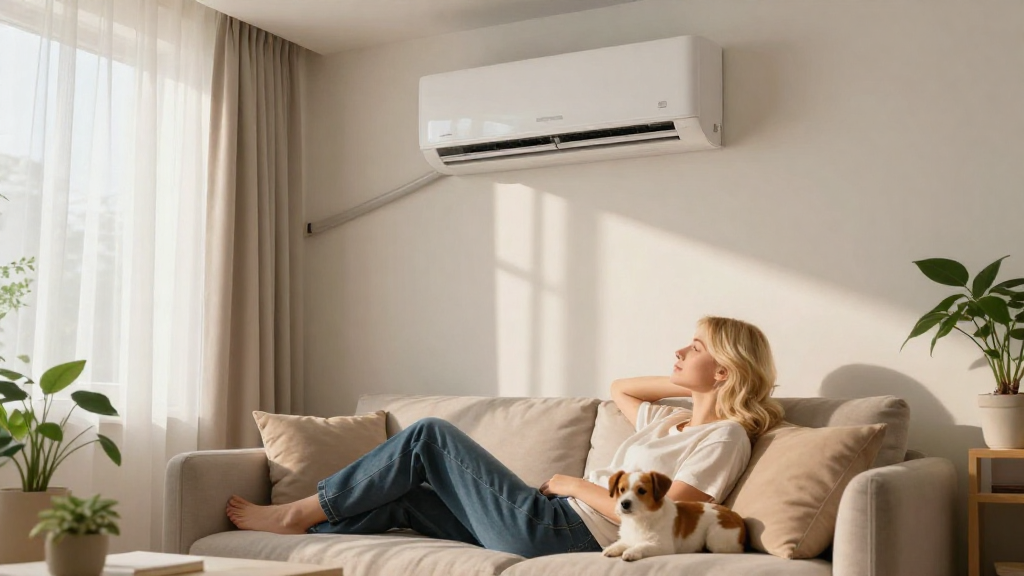
When the temperature rises, many pet owners wonder about air conditioning and pet safety. Understanding how to regulate the indoor environment while ensuring the well-being of our furry friends is essential.
What Are the Risks of Air Conditioning for Pets?
While air conditioning can provide a comfortable environment for both humans and pets, there are several risks associated with its use around animals.
-
Temperature Extremes:
– Sudden changes in temperature can be distressing for pets.
– Keeping the thermostat too low can cause hypothermia in small or short-haired breeds. -
Air Quality Concerns:
– Dust and allergens can accumulate in air conditioning units, potentially affecting your pet’s respiratory system.
– Continuous use can lead to dry air, which may irritate your pet’s skin and eyes. -
Exposure to Cold Drafts:
– Pets often seek out cold spots in the home but may not recognize when they are too cold.
– Pets can develop joint stiffness or even respiratory issues if they are exposed to cold drafts consistently.
How Can You Ensure Air Conditioning and Pet Safety?
To maintain a safe environment for your pets while utilizing air conditioning, follow these essential tips:
1. Set a Comfortable Temperature
- The ideal temperature for pets usually falls between 68°F to 72°F (20°C to 22°C).
- Avoid setting the thermostat too low; it should be comfortable for you as well.
- Monitor your pet’s behavior; if they seem lethargic or exhibit signs of being cold, adjust the temperature.
2. Control Air Vents and Drafts
- Block Direct Airflow:
- Redirect air vents away from your pet’s favorite resting spots.
-
Use furniture or pet barriers to create draft-free zones.
-
Use Air Filters:
- Invest in high-quality air filters to keep the air clean.
- Change filters regularly to minimize dust and allergens.
3. Hydration is Key
- Ensure that your pet has constant access to fresh, clean water.
- Air conditioning can lead to dehydration, especially in warm weather.
What Are the Signs of Discomfort in Pets?
Keeping an eye out for signs of discomfort is vital for air conditioning and pet safety.
- Pacing or Restlessness: If your pet is unable to settle down or appears anxious, it may be too cold or too drafty.
- Excessive Grooming: This may indicate skin irritation or discomfort caused by dry air.
- Panting: If your pet is panting heavily, it could be a sign that they are overheated, or if they’re cold, they may be trying to warm themselves up.
How Often Should You Check on Your Pets?
Regular check-ins on your pets can help you gauge their comfort levels.
- Aim to check them at least every hour when the air conditioning is running, especially during extreme temperatures.
- Ensure they do not become too cold and that they are drinking enough water.
Are There Alternatives to Air Conditioning for Pet Comfort?
While air conditioning is a popular choice, consider these alternatives to enhance air conditioning and pet safety:
1. Fans
- Ceiling or oscillating fans can create a comfortable breeze without the cold air conditioning can generate.
- Position fans away from pets to ensure they don’t get a direct blast.
2. Air Conditioning Units with Pet Settings
- Some modern air conditioning systems come with pet-friendly settings that maintain a desired temperature without significant fluctuations.
- Look for units that can also control humidity and allergens.
3. Natural Ventilation
- Open windows and doors during cooler parts of the day to allow fresh air to circulate.
- Make use of screens to prevent your pets from escaping while enjoying the outside breeze.
4. Cooling Mats and Beds
- Consider investing in specialized cooling mats to help keep your pets comfortable.
- These mats often utilize gel technology to provide a cool surface without needing refrigeration.
How Can You Create a Safe Space for Your Pets?
Your pet’s environment plays a significant role in air conditioning and pet safety.
-
Designate a Pet Zone:
– Create a specific area where your pet can retreat to feel safe and comfortable.
– Use pet beds that provide insulation from cold floors. -
Include Shade Options:
– Always keep shaded areas or sun-drenched spots in your home available for sunny days.
– Pets sometimes prefer to stay near windows; using curtains can help regulate indoor temperatures. -
Pet-friendly Furniture Arrangements:
– Arrange furniture to minimize direct exposure to air conditioning vents while still providing comfort.
– Ensure there are plenty of soft spots for them to lounge comfortably.
When Should You Consult a Veterinarian?
If you notice your pet exhibiting concerning behaviors or health issues related to temperature changes, do not hesitate to seek professional advice.
- Constant Lethargy or Behavioral Changes: Indicates possible discomfort or stress.
- Persistent Respiratory Issues: Such as coughing or wheezing could arise from poor air quality caused by improper air conditioning usage.
- Skin Issues: If your pet develops rashes, excessive itching, or other skin problems, it may signify the need for veterinary attention.
Conclusion: Prioritize Air Conditioning and Pet Safety
Using air conditioning and pet safety practices can significantly enhance the comfort and well-being of your furry companions.
By adjusting the temperature, creating safe spaces, ensuring hydration, and recognizing discomfort signs, you can enjoy a cool home environment without compromising your pet’s health.
Maintaining careful attention to your pets during hot weather will ensure they thrive safely in a conditioned space. Remember, a little extra care goes a long way in showing our pets just how much we love and cherish them.