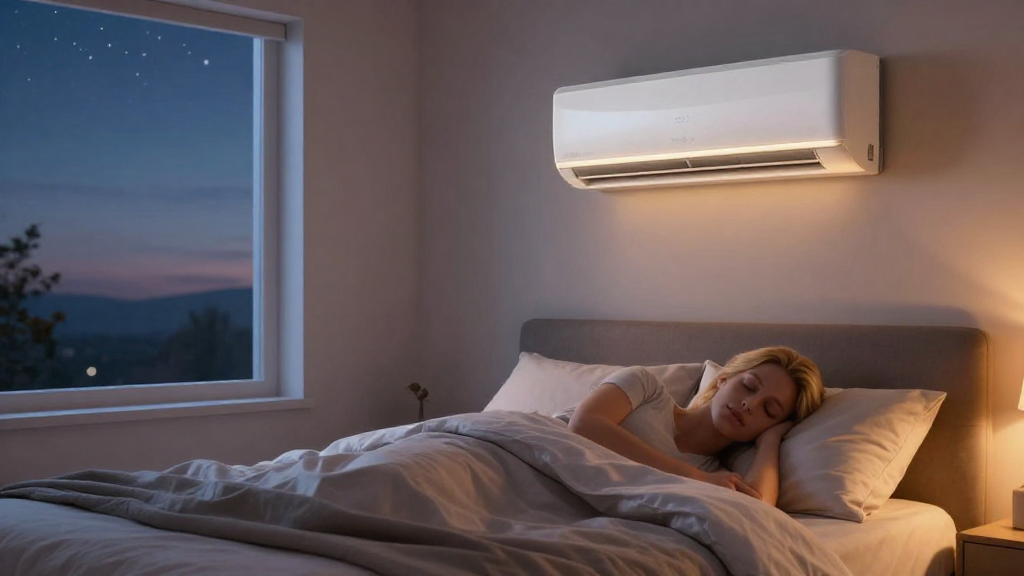
In this article, we will explore the connection between air conditioning and sleep quality, enhancing your understanding of how a well-regulated environment can promote better sleep.
What Role Does Air Conditioning Play in Sleep Quality?
Air conditioning systems play a crucial role in maintaining a comfortable sleep environment.
Our body temperature naturally drops when we sleep, and cooler environments can help facilitate this process.
With the support of air conditioning, you can:
- Lower room temperature to promote better sleep.
- Reduce humidity levels, which can contribute to a more comfortable atmosphere.
- Minimize noise disturbances by creating a consistent background sound.
How Does Temperature Affect Sleep?
The ideal temperature for sleeping varies for each individual, but studies generally suggest that a bedroom temperature between 60°F to 67°F (15°C to 19°C) is optimal.
When temperatures fall outside of this range, it can lead to:
- Restlessness throughout the night.
- Difficulty falling asleep.
- Frequent awakenings.
By using air conditioning to stabilize room temperature, you can ensure your body is functioning at its best when it’s time to sleep.
Can Air Conditioning Help with Allergens?
Another important point regarding air conditioning and sleep quality is its ability to filter out allergens and pollutants.
Air conditioning systems can be equipped with HEPA filters that trap dust, pollen, and pet dander.
This can lead to:
- Reduced allergy symptoms.
- Fewer respiratory issues during the night.
- Improved air quality for an uninterrupted sleep cycle.
By keeping your bedroom air clean, air conditioning promotes a healthier sleep environment.
What About Humidity and Sleep?
High humidity can make sleep uncomfortable.
When the air is muggy, it can lead to sweating and clamminess, disrupting your sleep cycle.
Air conditioning can help eliminate excess moisture in the air, leading to:
- A more comfortable sleeping environment.
- Reduced risk of mold growth.
- Less discomfort caused by humidity.
By managing humidity levels, air conditioning enhances your overall sleep experience.
Does Air Conditioning Affect Sleep Duration?
Studies show that people who sleep in a comfortably cool environment tend to get more restful sleep.
Air conditioning and sleep quality are interconnected, as consistent sleep patterns can lead to:
- Longer sleep duration.
- Greater sleep efficiency.
- Fewer disturbances from outside noise.
When you wake up feeling well-rested, the benefits of good sleep can extend to your mood, productivity, and overall health.
How Can You Optimize Your Air Conditioning for Sleep?
To maximize the benefits of air conditioning for sleep quality, consider these tips:
-
Set the Right Temperature:
– Find your ideal temperature by experimenting within the recommended range. -
Maintain Your AC Unit:
– Regularly clean or replace air filters.
– Schedule routine maintenance checks. -
Use a Programmable Thermostat:
– Set your air conditioning to adjust temperatures according to your daily schedule.
– Lower the temperature about an hour before bedtime to signal to your body it’s time to wind down. -
Consider an Air Quality Monitor:
– Use devices to track humidity and air quality.
– Make adjustments based on collected data to create an optimal environment. -
Create a Sleep-Inducing Atmosphere:
– Use blackout curtains to block out light.
– Consider white noise machines in tandem with your air conditioning for added comfort.
Are There Potential Downsides to Air Conditioning?
While air conditioning has many benefits, there are a few potential downsides:
- Overcooling the room can lead to daytime fatigue.
- AC units can generate dry air, causing dry skin or respiratory discomfort.
- Improper maintenance can lead to mold growth in the unit, which can compromise air quality.
To avoid these issues, regularly maintain your unit and pay attention to how it affects your body’s reactions at night.
Is Air Conditioning the Only Solution for Better Sleep?
While effective, air conditioning isn’t the only strategy to improve sleep quality.
Consider integrating other methods such as:
- Creating a bedtime routine: Reading or meditating before bed can help your body relax.
- Limiting screen time: Exposure to blue light from screens can interfere with melatonin production.
- Staying hydrated but not too much: Drink enough water throughout the day, but limit intake close to bedtime to avoid nighttime bathroom trips.
By combining air conditioning with these practices, you can achieve an even greater improvement in your sleep quality.
Conclusion: Can You Really Sleep Better with Air Conditioning?
The relationship between air conditioning and sleep quality is significant.
By optimizing your cooling system and considering other factors that contribute to a restful night’s sleep, you can create an environment that encourages relaxation, comfort, and overall well-being.
Investing in your sleep hygiene can lead to improvements in productivity, mood, and health.
So next time you settle in for the night, remember that a comfortable, climate-controlled environment supported by air conditioning may be key to achieving the restorative sleep you desire.
Happy sleeping!