Safe drinking water can become difficult to obtain during disasters, power outages, evacuations, and remote trips. The right purifier can help you treat questionable water when bottled supplies are limited or unavailable.
This roundup compares 10 emergency-ready options, from compact personal straws and chemical tablets to higher-capacity pump and gravity filters. Use the guide below to match filtration method, capacity, portability, and maintenance needs to your situation.
Best 10 Water Purifiers for Emergencies Picks for 2026
Ultra-Light Emergency Essential
LifeStraw Personal Water Filter
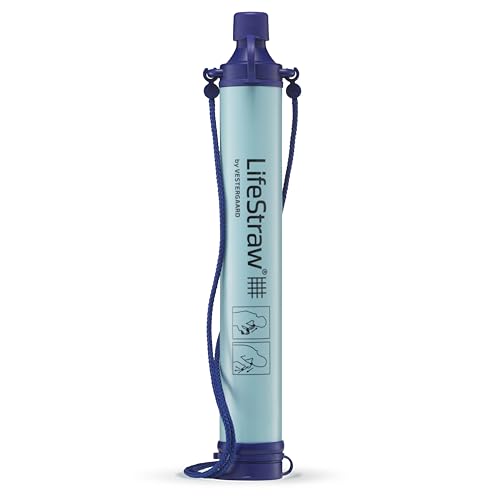
- Targets bacteria, parasites, microplastics, and turbidity
- Filters up to 4,000 liters
- Lightweight, personal-use design
Best For: Solo emergency kits, hiking, and travel
Simple Chemical Backup
Potable Aqua Purification Tablets

- Includes 50 purification and 50 PA Plus tablets
- Treats questionable water against bacteria and Giardia
- Compact option for emergency storage
Best For: Portable backup kits, travel, and disaster preparedness
High-Capacity Pump Filter
Survivor Filter PRO Portable Water Filter

- Three-stage, non-electric filtration system
- 500 ml-per-minute maximum flow rate
- Reusable filters and included backwashing accessories
Best For: Repeated use, camping, backpacking, and shared emergency supplies
Certified Personal Straw
Membrane Solutions Personal Water Filter Straw S1
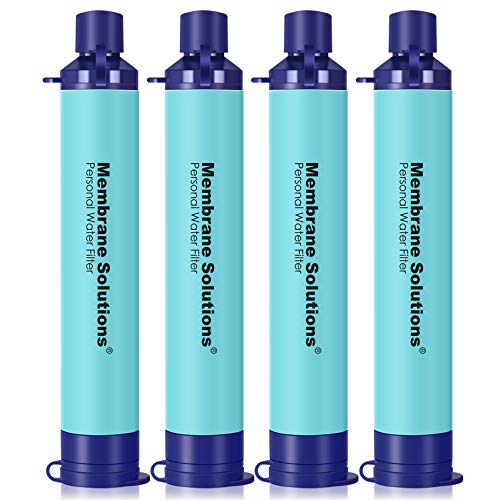
- Five-stage filtration with activated carbon and ultrafiltration
- NSF/ANSI 42, 372, and 401 certifications listed
- 2-ounce design rated for up to 5,000 liters
Best For: Personal travel, outdoor use, and compact emergency kits
Best Tablet Option
Aquatabs Emergency Purification Tablets

- Purifies 4 gallons in 30 minutes
- Targets bacteria, viruses, and Giardia cysts
- Compact 100-tablet pack with no iodine taste
Best For: Bugout bags, camping, RVs, and lightweight emergency kits
Best Hand-Pump Filter

- Filters up to 1 liter per minute
- 0.2-micron glass-fiber cartridge
- Includes prefilter, hoses, and bottle adapter
Best For: Campers, hikers, and emergency users needing reusable manual filtration
Best Gravity Option
Waterdrop 0.1-Micron Filter Straw
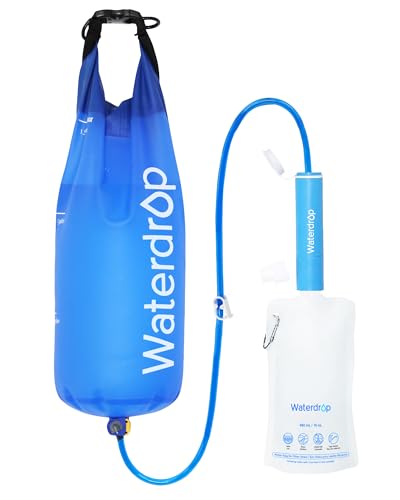
- Includes a 1.5-gallon gravity-fed water bag
- Filters at up to 700 ml per minute
- Rated for up to 1,400 gallons with backwash function
Best For: Groups, outdoor water stations, and hands-free emergency filtration
Best Lightweight Backup
Practical Survival Emergency Water Filter Straws

- Five portable filters for personal emergency use
- Rated for up to 1,800 gallons each
- Includes an individual backflushing plunger
Best For: Car kits, bug-out bags, and outdoor activities
Best High-Capacity Straw Pack
LifeStraw Personal Water Filter
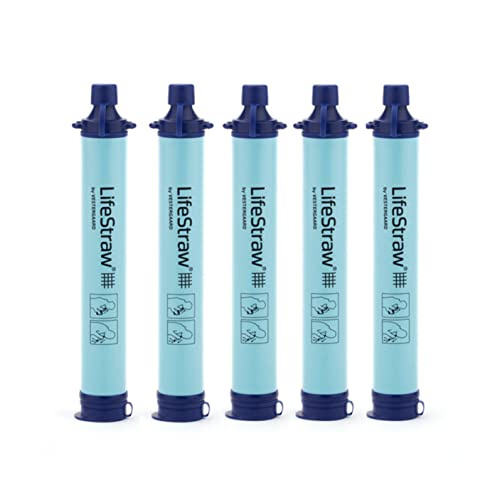
- Five personal filters with no power required
- Rated for up to 1,000 gallons each
- Targets bacteria, parasites, and microplastics
Best For: Individual emergency, travel, and camping kits
Best for Groups
Trailgo Pro Portable Water Filter

- Hand-pumps up to 1.5 liters per minute
- Three-stage filtration for outdoor water sources
- Includes hoses, clamps, pre-filter, and carry bag
Best For: Families, base camps, and off-grid emergency use
Ultra-Light Emergency Essential – LifeStraw Personal Water Filter
For a compact addition to a kit of water purifiers for emergencies, the LifeStraw Personal Water Filter offers direct drinking from a freshwater source without batteries or chemicals. Its membrane targets bacteria, parasites, microplastics, and turbidity, making it especially practical for individual use.
Best For: Solo hiking, travel, camping, and lightweight emergency kits.
Pros:
- Removes 99.999999% of waterborne bacteria and 99.999% of waterborne parasites, according to the supplied testing claims.
- Filters microplastics and reduces turbidity down to 0.2 microns.
- Provides up to 4,000 liters (1,000 gallons) of use and weighs about 0.04 kg.
Cons:
- Designed as a personal filter rather than a convenient way to process water for multiple people.
- Does not provide the chemical taste-neutralizing function of purification tablets.
This is a strong grab-and-go option when low weight and simple operation matter most. It is best paired with a separate water-storage and prefiltration plan for larger emergency needs.
Simple Chemical Backup – Potable Aqua Purification Tablets
Potable Aqua tablets are a compact chemical option among water purifiers for emergencies. The two-bottle set includes 50 purification tablets and 50 PA Plus neutralizing tablets, giving you a portable way to treat questionable water and improve taste and color when used correctly.
Best For: Emergency kits, natural-disaster supplies, hiking, and travel where compact storage is important.
Pros:
- The set includes 50 water purification tablets plus 50 PA Plus neutralizing tablets.
- Designed to make questionable water bacteriologically suitable to drink in emergency situations.
- Effective against bacteria and Giardia lamblia, with the supplied notes stating that the tablets leave no iodine taste or color when used correctly.
Cons:
- Requires correct use and treatment time rather than providing immediate filtration.
- Provides chemical disinfection rather than physical removal of particles or microplastics.
These tablets are a sensible shelf-stable backup for situations where carrying a filter is inconvenient. The included PA Plus tablets are particularly useful if taste and color are concerns after treatment.
High-Capacity Pump Filter – Survivor Filter PRO Portable Water Filter
The Survivor Filter PRO is a pump-style choice for shoppers comparing water purifiers for emergencies that need more capacity and broader filtration. Its three-stage system combines prefiltration, activated carbon, and ultrafiltration, while the manual pump works without electricity.
Best For: Campers, backpackers, and emergency users who want reusable filtration for repeated water collection.
Pros:
- The supplied claims state removal of 99.999% of tested viruses, Staph, bacteria, and protozoa, plus heavy-metal reduction according to NSF/ANSI standards.
- Three-stage filtration includes a 0.1-micron pre-filter, carbon filter, and 0.01-micron ultra filter.
- Offers a 500 ml-per-minute flow rate, replaceable and reusable filters, and non-electric operation.
- Includes hoses, a carrying case, cup, back-washing syringe, and instructions.
Cons:
- At 12.8 ounces, it is less minimal than a personal straw filter.
- Manual pumping requires more effort than simply drinking through a straw.
This is the most versatile option in the group for repeated treatment and shared use. Its included accessories and backwashing setup make it better suited to an ongoing emergency or camping routine than a single-use backup.
Certified Personal Straw – Membrane Solutions Personal Water Filter Straw S1
The Membrane Solutions S1 is a small, versatile straw filter for personal emergency preparedness. It uses five filtration stages and fits 28 mm threaded bottles, cups, pouches, and some gravity-fed setups, while its compact size keeps it easy to store in a backpack or survival kit.
Best For: Personal outdoor use, travel, and compact emergency kits that need flexible bottle compatibility.
Pros:
- Independently certified to NSF/ANSI 42, 372, and 401 for specified taste, material, microplastic, and particulate reductions.
- Five-stage design combines a coarse screen, PP cotton fiber, activated carbon, and hollow-fiber ultrafiltration.
- Weighs 2 ounces, measures 7.1 inches, and is rated for up to 5,000 liters.
- Offers a stated flow rate of up to 500 ml per minute and supports backflushing.
Cons:
- The notes explicitly state that it does not lower TDS.
- Its personal straw format is less convenient for treating larger volumes at once.
The S1 stands out for combining a very portable form with multiple use modes and specified NSF certifications. Choose it when bottle compatibility, taste improvement, and low pack weight are priorities.
Best Tablet Option – Aquatabs Emergency Purification Tablets
For a lightweight addition to a kit of water purifiers for emergencies, Aquatabs offer a simple chemical-treatment approach. Each 397 mg tablet purifies up to 4 gallons in 30 minutes, and the 100-tablet pack is listed with an expiration date of February 2029.
Best For: Bugout bags, camping kits, RV use, and situations where portability and long-term storage matter.
Pros:
- Purifies up to 4 gallons in 30 minutes.
- Designed to reduce 99.9999% of bacteria, 99.99% of viruses, and 99.9% of Giardia cysts.
- Lightweight, compact, and reported to leave no bad taste, color, or odor like iodine tablets.
Cons:
- Tablets do not remove sediment, so pairing them with a water filter bag or straw may be useful.
- Requires a 30-minute treatment period before drinking.
Aquatabs are a practical backup when space and weight are priorities. They work best as a chemical purifier for relatively clear water, with a separate prefilter available for visible debris.
Best Hand-Pump Filter – Katadyn Hiker Pro Transparent
The Katadyn Hiker Pro is a reusable choice among water purifiers for emergencies, using a manual pump and a 0.2-micron glass-fiber cartridge. It produces up to 1 liter per minute, connects to common bottles and hydration systems, and filters up to 1,150 liters.
Best For: Campers, hikers, and emergency users who want on-demand filtration without batteries or chemical tablets.
Pros:
- Lightweight 11.2-ounce design with a maximum flow rate of 1 liter per minute.
- Transparent housing makes the cartridge condition visible.
- Includes an intake prefilter, cleanable filter protector, hoses, and bottle adapter.
- Activated carbon granules help improve taste.
Cons:
- Manual pumping requires physical effort.
- Its stated capacity is 1,150 liters, lower than some gravity filters in this roundup.
Choose the Hiker Pro when fast, hands-on filtration is more important than minimal setup. Its included fittings and visible cartridge make it a versatile option for backcountry or emergency water collection.
Best Gravity Option – Waterdrop 0.1-Micron Filter Straw
The Waterdrop Gravity Filter Straw combines a 0.1-micron ultrafiltration membrane with a 1.5-gallon gravity-fed bag, making it a convenient option among water purifiers for emergencies. It flows at up to 700 ml per minute and is rated for up to 1,400 gallons.
Best For: Groups, outdoor water stations, and emergency kits that benefit from hands-free gravity filtration.
Pros:
- Large 1.5-gallon water bag supports extended outdoor use.
- Five-stage filtration helps reduce chlorine, particulates, sediment, odors, and bad taste.
- High stated lifespan of up to 1,400 gallons and flow rate of 700 ml per minute.
- Backwash function allows the straw to be flushed and reused.
Cons:
- Gravity filtration requires time and an elevated or suspended water bag.
- The supplied specifications list a maximum supported TDS level of 300 ppm.
- The stated filter warranty is limited to 30 days.
This Waterdrop setup is appealing when you want to process more water with less pumping. The included bag and pouch simplify deployment, while the backwash feature can help maintain flow during repeated use.
Best Lightweight Backup – Practical Survival Emergency Water Filter Straws
For anyone comparing water purifiers for emergencies, this five-pack of reusable filter straws is a compact option for personal drinking water. Each straw uses hollow-fiber filtration, requires no electricity, and is rated for up to 1,800 gallons with proper maintenance.
Best For: Car emergency kits, bug-out bags, hiking, camping, and situations where each person needs a lightweight personal filter.
Pros:
- Five individually sealed, 2-ounce filters for distributing among family members or kits.
- Filters bacteria, parasites, and microplastics down to 0.1 micron, according to the supplied specifications.
- Includes a backflushing plunger with each filter and requires no batteries or electricity.
- Rated for up to 1,800 gallons per filter.
Cons:
- A straw-style design is intended for direct personal use rather than filling containers for a group.
- It is not described as a chemical contaminant or dissolved-solids removal system.
This is a practical preparedness choice when portability and quantity matter most. The five-pack format makes it easy to place filters in several emergency locations, though households needing higher-volume water processing may prefer a pump system.
Best High-Capacity Straw Pack – LifeStraw Personal Water Filter
This five-pack is a straightforward choice among water purifiers for emergencies when you want compact, personal-use filtration without electricity. Each LifeStraw uses a hollow-fiber membrane and is rated to provide up to 4,000 liters, or 1,000 gallons, of water with proper use and maintenance.
Best For: Individual emergency kits, travel, hiking, camping, and households that want several personal filters on hand.
Pros:
- Five lightweight, BPA-free personal filters are included.
- Removes 99.999999% of listed waterborne bacteria and 99.999% of listed parasites, based on the supplied claims.
- Filters microplastics down to 1 micron and reduces turbidity down to 0.2 microns.
- Requires no electricity or batteries and is rated for up to 1,000 gallons per filter.
Cons:
- Personal straw design is less suited to producing water for an entire group.
- The supplied specifications do not indicate removal of chemicals, viruses, or dissolved contaminants.
LifeStraw’s main advantage here is the combination of a recognizable personal format, laboratory-tested claims, and a high stated lifespan. Choose it for distributed individual preparedness rather than a centralized household filtration setup.
Best for Groups – Trailgo Pro Portable Water Filter
For emergency preparedness plans that involve several people, the Trailgo Pro is a hand-operated water purifier with a stated flow rate of 1.5 liters per minute. Its three-stage setup combines a 5-micron pre-filter, PP cotton filtration, and ultrafiltration for stream, lake, well, or rain-barrel water.
Best For: Family emergency supplies, base camps, off-grid use, RVs, and outdoor groups that need to process water into a container rather than drink through a straw.
Pros:
- Hand-pump operation works without batteries or electricity.
- Produces up to 1.5 liters per minute for groups of approximately four to six people, according to the supplied notes.
- Three-stage filtration is specified for bacteria, protozoa, cysts, microplastics, sediment, and cloudiness.
- Includes tubing, clamps, a reusable pre-filter, carry bag, and instructions.
Cons:
- At approximately 4 pounds, it is substantially heavier than personal filter straws.
- The stated supported TDS maximum is 100 ppm, so source-water conditions should be considered.
- Its 3,000-liter filter rating means replacement cartridges may eventually be needed.
This pump is the more capable option when emergency water needs extend beyond one person. It takes more space and manual effort than a straw, but its higher flow rate and included hoses make it better suited to filling bottles or containers for a small group.
How We Picked the Best Water Purifiers for Emergencies
We selected products across the main emergency water-treatment categories: personal filter straws, pump filters, gravity systems, and purification tablets. The comparison emphasizes portability, treatment speed, expected use case, ease of operation, storage value, and the practical differences between removing particles and chemically treating microorganisms.
Because specifications and certifications can vary by model, always check the current manufacturer instructions for contaminant claims, replacement intervals, chemical dosage, and water sources the product is designed to handle.
Quick Comparison
| Type | Best For | Main Advantage | Potential Limitation |
|---|---|---|---|
| Personal filter straw | One person on the move | Compact and lightweight | Usually treats water as you drink and may not fill containers |
| Purification tablets | Emergency kits and backups | Small, shelf-stable, and simple to store | Require contact time and may affect taste |
| Hand-pump filter | Campers and small groups | Can produce water into a bottle or container | Requires manual effort and cleaning |
| Gravity filter | Base camps and household backup | Hands-off batch filtering | Bulkier and dependent on hanging or elevated setup |
Key Buying Factors for Water Purifiers for Emergencies
Filtration and Purification Claims
Determine whether you need a filter, a purifier, or both. Filters commonly reduce sediment, bacteria, and some protozoa depending on pore size and design, while chemical tablets are intended to disinfect according to their labeled instructions. No single product should be assumed to remove every possible contaminant, including fuel, pesticides, heavy metals, or salt.
Capacity and Treatment Speed
A straw may be ideal for an individual emergency bag, but a household needs a way to treat or collect multiple liters. Consider flow rate, container compatibility, reservoir size, and whether the product can produce water before it is needed.
Portability and Storage
For evacuation kits, weight and pack size matter. Tablets and personal straws store easily, while pump and gravity systems offer greater practicality for longer stays but need more room. Check expiration dates for tablets and keep all equipment protected from freezing, heat, and contamination.
Maintenance and Usability
Choose a system you can operate under stress and low-light conditions. Backflushing, drying, cleaning, and replacement parts may be necessary for reusable filters. Tablets are easier to store but require accurate dosing and waiting periods.
Who Should Buy Which Water Purifiers for Emergencies?
- Solo hikers or commuters: Choose a personal filter straw for the smallest emergency loadout.
- Families building a home kit: Consider a gravity or pump filter, supplemented with purification tablets for redundancy.
- Campers and backcountry travelers: A hand-pump filter offers more control when filling bottles from streams or lakes.
- Preparedness-focused buyers: Keep tablets alongside a reusable filter so one method can back up the other.
- Large groups: Prioritize treatment capacity, replacement availability, and the ability to collect clean water in containers.
For most emergency kits, the strongest approach is layered preparedness: store sealed drinking water first, then add a primary purifier suited to your group size and a compact backup method. Always prefilter visibly muddy water when appropriate and follow the product’s instructions exactly.