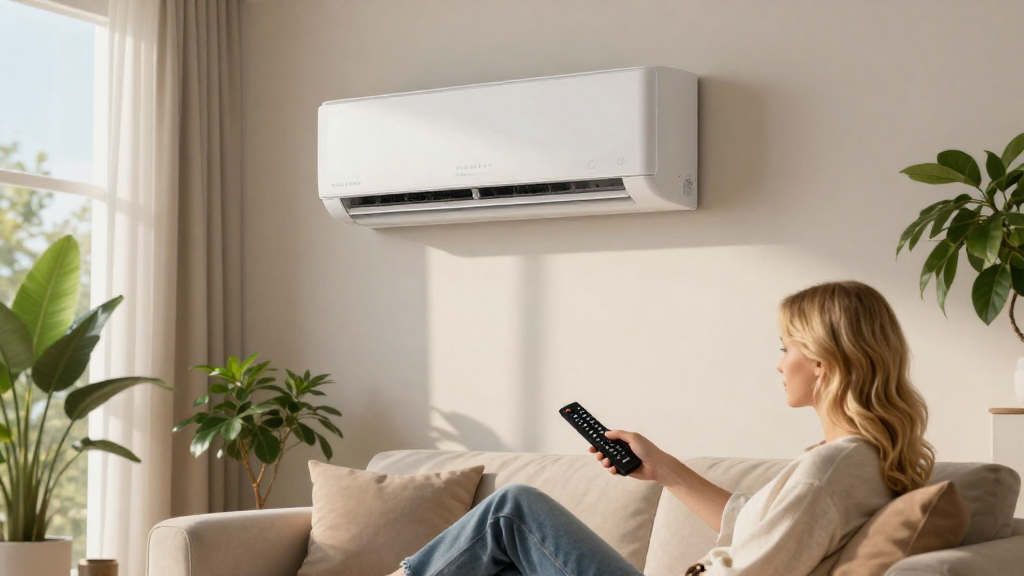
When considering how to effectively use air conditioning and fan modes in your home, it’s essential to grasp their functionalities to maximize comfort and energy efficiency.
What Are Air Conditioning and Fan Modes?
Understanding air conditioning and fan modes is crucial for efficient climate control.
Most modern air conditioning systems come with various fan modes, each serving a specific purpose.
These modes can significantly affect your indoor environment.
To navigate these modes, let’s break them down into their primary types.
What Are the Different Types of Fan Modes?
1. Auto Mode
Auto mode allows your air conditioner to automatically adjust the fan speed based on the room’s temperature.
- When the desired temperature is reached, the fan slows down or stops.
- If the temperature rises, the fan increases speed to cool the room.
2. On Mode
In On mode, the fan runs continuously, regardless of the cooling operation.
- Benefits include consistent air circulation throughout the room.
- It helps in maintaining even temperatures and reduces the risk of hot spots.
3. Sleep Mode
Sleep mode is designed for nighttime use, adjusting settings to promote more comfortable sleeping conditions.
- The temperature gradually increases during the night.
- The fan may operate at lower speeds, reducing noise and energy usage.
4. High, Medium, and Low Fan Speeds
These options provide flexibility in airflow:
- High Speed: Best for quickly cooling a room or enhancing ventilation.
- Medium Speed: Suitable for regular cooling while minimizing noise.
- Low Speed: Ideal for gentle air circulation or when you want to minimize energy usage.
Why Should You Know About Fan Modes in Your Air Conditioner?
Understanding the air conditioning and fan modes can help you harness the full potential of your air conditioning unit.
Here are several reasons why this knowledge is beneficial:
1. Energy Efficiency
Knowing how the fan modes work can lead to significant savings on your energy bills.
- Auto mode can prevent unnecessary cooling and conserve energy.
- Utilizing sleep mode during the night ensures you aren’t using more energy than needed.
2. Comfort Control
Different fan modes allow for tailored comfort levels depending on the time of day or occupancy of a room.
- High speed can cool down a hot room quickly.
- Low speed can circulate air gently when cooling isn’t as urgent, such as during evening hours.
3. Air Quality Improvement
Some modes, like continuous fan operation, can improve air circulation and filtration.
- Constant airflow helps ensure that fresh air is continually mixed into the environment.
- This practice reduces indoor pollutants and improves overall air quality.
4. Environment Adaptation
Different times of year may require varying air conditioning settings.
After understanding the air conditioning and fan modes, you can adjust your unit based on:
- Seasonal changes
- Humidity levels
- Occupant needs
When to Use Each Fan Mode?
Auto Mode: When Should You Use It?
Auto mode is best when you want a set-and-forget approach.
- Use it during the day when you aren’t home.
- The AC will only operate when necessary, ensuring energy savings.
On Mode: Is It the Right Choice for You?
Choose On mode when:
- You’re at home and want consistent airflow.
- You have pets or family members who generate heat.
Sleep Mode: What’s Its Best Use?
Opt for sleep mode during the night.
- It provides a cooler environment at first but gradually adjusts to prevent excessive chill.
- Ideal for ensuring comfort while minimizing operation noise.
High, Medium, and Low Speeds: Which One to Choose?
Select fan speed based on your immediate cooling need:
- High speed: For fast cooling during peak daytime heat.
- Medium speed: For regular use.
- Low speed: For gentle circulation or at night.
How Do Fan Modes Contribute to Energy Efficiency?
Familiarizing yourself with air conditioning and fan modes leads to smarter choices that save energy.
1. Reduced Runtime
Using auto mode means that your system runs only when needed.
Thus lowering the total runtime reduces energy consumption.
2. Optimal Temperature Control
Correctly adjusting fan speeds allows for effective temperature control:
- This mitigates the need for the unit to constantly cycle on and off.
3. Extended System Lifespan
By using modes efficiently, your air conditioning unit will work less hard.
This can result in:
- Less wear and tear on components.
- Improved longevity of HVAC equipment.
Conclusion: Embrace Your Air Conditioning and Fan Modes
In summary, understanding air conditioning and fan modes empowers you to create your ideal indoor climate.
Each mode serves a specific purpose and can be adjusted according to your needs.
Applying the knowledge of these modes not only maximizes comfort but also ensures energy efficiency.
Your awareness of using these settings correctly paves the way for better air quality, enhanced comfort, and considerable savings on utility bills.
Don’t merely turn on your air conditioning unit blindly; delve into the modes available and tailor your experience to your preference.
Embrace the benefits of understanding air conditioning and fan modes to enhance your indoor living experience.