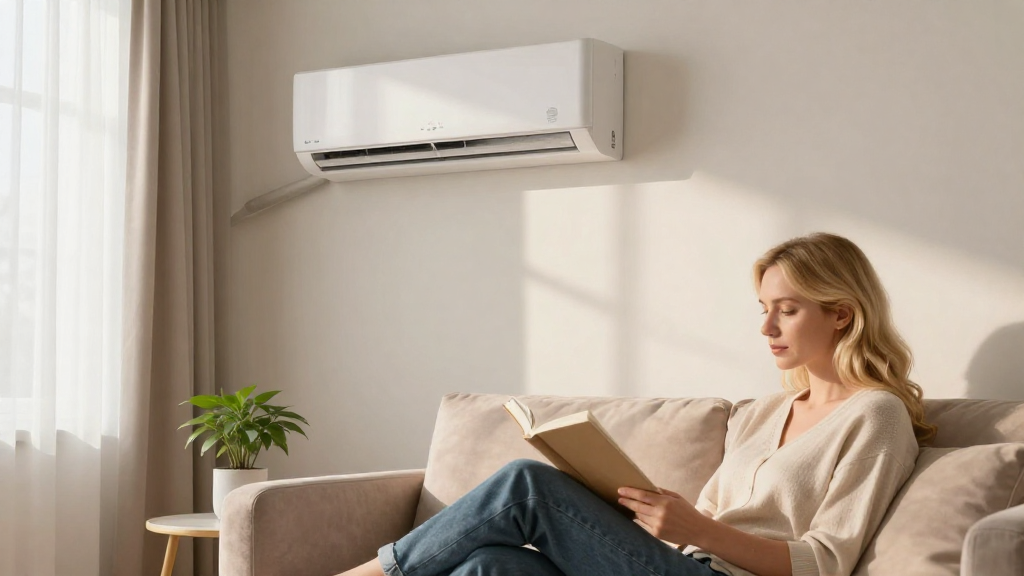
Living with asthma can be challenging, especially when allergens and environmental factors come into play.
One tool that can often help manage asthma symptoms is air conditioning.
However, understanding how to use air conditioning safely is crucial for maximizing its benefits while minimizing potential triggers.
How Can Air Conditioning Help with Asthma?
Air conditioning offers several benefits for those suffering from asthma.
Here’s how it can be advantageous:
- Temperature Regulation: Keeping your environment cool can reduce asthma symptoms as high heat and humidity can exacerbate the condition.
- Humidity Control: Air conditioners lower indoor humidity, limiting the growth of mold and dust mites—two common asthma triggers.
- Air Filtration: Many modern air conditioning units feature filters that warn off pollutants, allergens, and irritants from the air.
By understanding how air conditioning and asthma are connected, you can take proactive measures to ensure your home environment is safe and comfortable.
What Air Conditioning Options Are Best for Asthma Relief?
Not all air conditioning systems provide the same level of asthma support.
When considering air conditioning and asthma, it’s important to choose the right system. Here are some options to consider:
1. Central Air Conditioning Systems
- Central air conditioning systems are typically the best option for asthma sufferers.
- They use a network of ducts to distribute cool air evenly throughout your home, thereby reducing hotspots and helping maintain a consistent air quality.
- These systems can be paired with high-quality filters that remove pollen, dust, smoke, and other allergens.
2. Window Air Conditioners
- If central air isn’t feasible, window air conditioners can be an alternative.
- Ensure that the unit has a clean filter and is installed properly to avoid leaks or exposure to outdoor pollutants.
3. Portable Air Conditioners
- For flexibility, portable air conditioning units offer cooling solutions for specific areas.
- However, like window units, you’ll want to pay attention to the filter system.
4. Evaporative Coolers
- Evaporative coolers, or swamp coolers, use water to cool air; they are best used in dry climates.
- While they can be efficient, they may increase indoor humidity, which is not ideal for asthma sufferers.
Selecting an air conditioning system that aligns well with your asthma needs can significantly improve your quality of life.
How Can You Maintain Your Air Conditioning System for Optimal Performance?
Regular maintenance is crucial for any air conditioning unit, especially when considering air conditioning and asthma.
Here’s how to keep it in top shape:
1. Change Filters Regularly
- Replace or clean filters every 1-3 months depending on the type of filter and unit usage.
- High-efficiency filters can trap even more allergens.
2. Schedule Regular Maintenance
- Have a certified technician perform routine maintenance at least once a year.
- This ensures all components are functioning correctly and reduces the risk of mold and bacteria buildup.
3. Check for Air Leaks
- Inspect seals around windows and doors to prevent outdoor pollutants from entering.
- Use weatherstripping or caulking to seal gaps.
4. Keep the Area Clean
- Regularly clean the area around the air conditioning unit to avoid dust and debris accumulation.
- Vacuum frequently to reduce allergens in the space.
Maintaining your air conditioning system not only keeps it functioning properly but also enhances your indoor air quality, benefitting those with asthma.
What Air Quality Considerations Should You Keep in Mind?
When dealing with air conditioning and asthma, being mindful of air quality is essential.
Here are some helpful tips:
1. Use Air Purifiers
- Consider using an air purifier with a HEPA filter in conjunction with your air conditioning system.
- This can provide an additional layer of protection against allergens.
2. Monitor Humidity Levels
- Use a hygrometer to track indoor humidity levels.
- Ideally, humidity should be kept between 30-50% for optimal asthma management.
3. Ventilate Your Space
- Occasionally open windows to allow fresh air to circulate.
- Always do this when outdoor air quality is good; avoid high pollen days or pollution levels.
4. Watch for Triggers
- Be aware of common asthma triggers such as pet dander, mold, and smoke.
- Make adjustments to your air conditioning unit or overall household environment to minimize exposure.
Incorporating these air quality considerations helps create a healing environment conducive to asthma relief.
How Can You Use Air Conditioning Safely During Allergy Season?
The allergy season can complicate asthma management, but using air conditioning safely can mitigate its effects.
Here are strategies to keep in mind:
1. Keep Windows Closed
- Close all windows during high pollen days to prevent allergens from entering your home.
- Rely on your air conditioning system for cooling.
2. Run the AC in Recirculate Mode
- Use the recirculation setting on your air conditioning to filter the indoor air.
- This keeps outside allergens from coming into your space.
3. Stay Informed About Air Quality
- Monitor your local air quality index (AQI).
- If the air quality is poor, limit outdoor activities as much as possible.
4. Limit Activities that Produce Indoor Pollution
- Avoid burning candles, using strong cleaning products, or smoking indoors.
- These actions can negatively affect air quality and exacerbate asthma symptoms.
By following these tips, you can assure safe air conditioning use even during peak allergy season.
In Conclusion
Using air conditioning safely is an essential part of managing asthma.
By understanding the connection between air conditioning and asthma, selecting the right unit, maintaining it properly, and considering air quality factors, you can create a safe and comfortable living environment.
Remember, always consult your healthcare provider for personalized advice, especially if you notice any changes in your asthma symptoms.
Embrace the benefits of air conditioning while staying vigilant about your environment for lasting asthma relief.