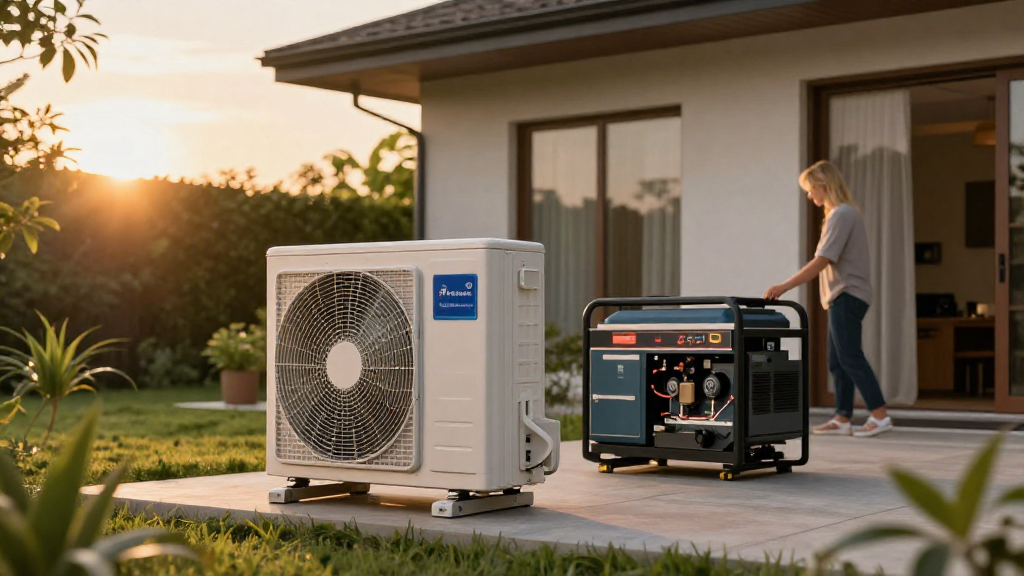
Are you looking for the best ways to ensure you have air conditioning power backup during unexpected outages?
When the summer heat waves hit, the last thing you want is to be without air conditioning.
In this guide, we’ll explore various methods to utilize backup power effectively for your air conditioning system.
What Is Air Conditioning Power Backup?
Air conditioning power backup refers to the alternatives you can employ to keep your air conditioning unit running during power outages.
This is especially critical in regions where high temperatures can become hazardous.
You have several options for air conditioning power backup, each with its own pros and cons.
Here are some of the most common methods:
1. Generators
Generators can provide reliable energy during an outage. Here’s what to consider:
- Types of Generators:
- Portable Generators: These are less powerful but can be moved easily.
-
Standby Generators: Installed permanently, offering an automatic switch to backup power during outages.
-
Fuel Options:
- Gasoline
- Propane
-
Diesel
-
Power Output: Make sure your generator can handle the wattage requirement of your air conditioner.
2. Inverters
Inverters can help convert DC (direct current) from solar panels or batteries to AC (alternating current) that your air conditioner requires.
Why consider inverters?
- Efficiency: Inverters are generally quieter and more fuel-efficient.
- Renewable Energy: They can be paired with solar panels, promoting sustainability.
3. Battery Backup Systems
Battery systems store power for later use and can be an excellent option for air conditioning power backup.
What to know about battery systems?
- Capacity: Ensure the capacity can support the air conditioner for the required duration.
- Compatibility: Check if your air conditioning unit can operate effectively on battery power.
4. Uninterruptible Power Supply (UPS)
While UPS systems are typically designed for smaller devices, a robust UPS can provide emergency power for air conditioners.
What are the advantages?
- Instant Power: UPS systems can switch on automatically when there is an outage.
- Protection: They can help protect sensitive electronic components in your AC unit.
How Do I Choose the Right Air Conditioning Power Backup Solution?
Choosing the correct backup solution can make all the difference when it comes to ensuring your comfort during a power outage.
Factors to Consider:
-
Size of Your Air Conditioning Unit:
Knowing the wattage your system requires is crucial. -
Duration of Outages:
How long are typical outages in your area? -
Budget:
Evaluate the initial and ongoing costs, including fuel and maintenance.
Tips for Effective Implementation:
-
Consult a Professional:
– Always hire a licensed electrician for installation and assessments. -
Maintenance:
– Regularly maintain your backup systems to ensure they function correctly during an outage. -
Test Your System Regularly:
– Perform routine checks to confirm your air conditioning power backup can meet your needs when you need it. -
Space Consideration:
– Ensure you have enough room for your generator or battery systems, especially regarding ventilation for fuel-based generators.
Can You Use Air Conditioning During Power Outages?
Yes, with proper air conditioning power backup in place, you can keep your air conditioning running even during a blackout.
Here’s how:
-
Pre-fill Your Generator: Have a stock of fuel available, so you’re always prepared.
-
Positioning:
-
Ensure that your generator or backup system is outside to avoid carbon monoxide buildup.
-
Smart App Control:
- Some modern generators come with smartphone apps for monitoring output, maintenance schedules, and more.
What Are the Limitations of Air Conditioning Power Backup Solutions?
While air conditioning power backup systems are invaluable, they do have limitations.
Possible Drawbacks:
-
Noise:
Especially with portable generators, consider the noise level, particularly in residential areas. -
Fuel Supply:
If you’re using a fuel-based generator, ensure you have an efficient storage solution to prevent spoilage or degradation of fuel. -
Limited Run Time:
Some battery units may only last a few hours, requiring you to determine the best way to manage power usage during outages.
How to Optimize Energy Usage During Outages
Ensure that you maximize your air conditioning power backup and minimize energy waste during blackouts.
Here are some strategies:
-
Set Your Thermostat Higher:
Raise your thermostat by a few degrees to reduce the run time of the air conditioning unit. -
Close Doors and Windows:
Keep the cool air trapped inside, reducing the workload on your system. -
Utilize Fans Wisely:
Use ceiling or portable fans in conjunction with your air conditioning to create a more comfortable environment. -
Seal Leaks:
Ensure your home is well-insulated to retain cooler air longer.
Conclusion
In summary, having an effective air conditioning power backup system is essential for anyone who wants to maintain comfort during power outages.
Whether you choose a generator, inverter, battery backup system, or UPS, understanding their pros and cons, as well as how to optimize their use, can make a significant difference in your home’s climate control.
By taking the time to plan ahead and implement these backup solutions, you can ensure your air conditioning system always has the power it needs to keep you cool, even when the grid fails.
Don’t wait for the next outage to think about air conditioning power backup—get started today!