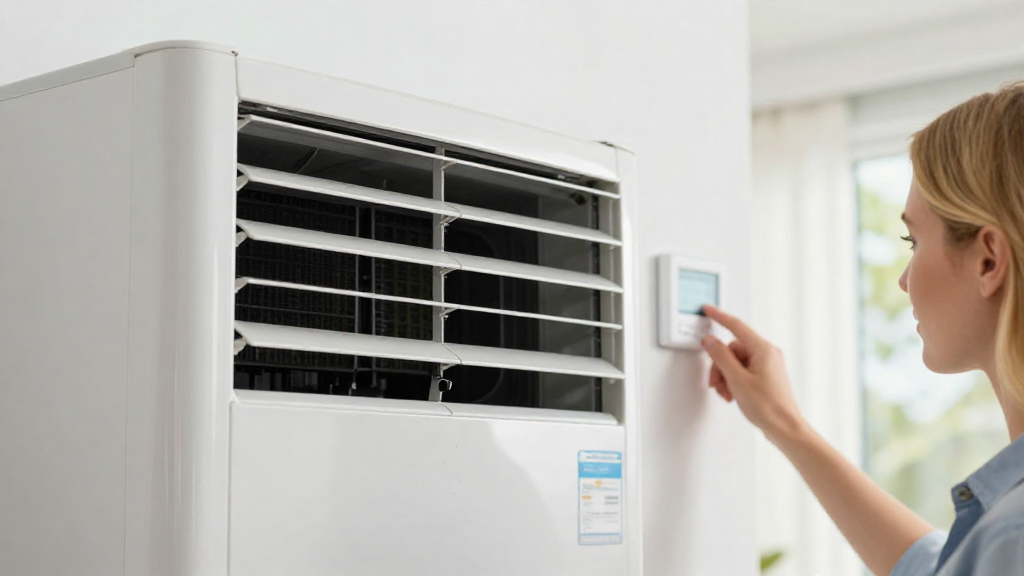
Air conditioning safety switches play a critical role in ensuring the smooth operation of your air conditioning systems while protecting your home from potential hazards.
In this article, we’ll explore what air conditioning safety switches are, how they function, and their importance in maintaining a safe and efficient air conditioning system.
What Are Air Conditioning Safety Switches?
Air conditioning safety switches are devices designed to automatically cut power to your air conditioning system in case of electrical faults or other hazardous conditions.
They prevent potential damage to your air conditioning unit and significantly reduce the risk of electrical fires.
Common types of air conditioning safety switches include:
- High-Pressure Switches: Protect against excessive refrigerant pressure.
- Low-Pressure Switches: Guard against insufficient refrigerant levels.
- Thermal Overload Switches: Protect components from overheating.
- Float Switches: Activate if condensation drains are blocked.
Understanding these safety switches is vital for anyone operating or maintaining an air conditioning system.
Why Are Air Conditioning Safety Switches Important?
The importance of air conditioning safety switches can’t be overstated.
Here are some reasons why they are critical:
- Prevention of Damage: Safety switches help prevent mechanical failures by monitoring the system’s operation.
- Fire Safety: By cutting off power during dangerous situations, these switches significantly minimize fire risks.
- Efficiency Maintenance: Ensuring your air conditioning system runs within set parameters helps maintain energy efficiency.
- Protecting Components: By monitoring pressure and temperature, safety switches protect various components of your air conditioning system from damage.
These benefits underline the necessity of incorporating safety switches into any air conditioning setup.
How Do Air Conditioning Safety Switches Work?
So, how do air conditioning safety switches actually function within the system?
Here’s a breakdown of their operations:
- Monitoring Parameters: Safety switches continuously monitor parameters like pressure, temperature, and fluid levels.
- Trigger System Response: When unsafe levels are detected, the switch sends a signal to shut down the air conditioning unit.
- Restoration of Operation: Once conditions return to safe levels, manual intervention is typically required to reset the switch and restore operation.
This automated approach significantly enhances the safety of your air conditioning system.
How to Install Air Conditioning Safety Switches?
Installing air conditioning safety switches requires some technical knowledge.
Here’s a step-by-step guide to help you along:
Step 1: Gather Necessary Tools and Materials
- Safety Switch
- Screwdrivers
- Wire Cutters and Strippers
- Electrical Tape
- Voltage Tester
Step 2: Turn Off the Power
Before starting any installation, safety first!
Ensure the power to the air conditioning unit is completely turned off to avoid electric shock.
Step 3: Locate the Installation Area
Find a suitable area near your air conditioning unit to install the safety switch.
This should typically be close to the compressor or within the electrical panel.
Step 4: Connect the Wiring
Carefully follow the wiring diagram provided with your air conditioning safety switch:
- Disconnect the existing wires from the power source.
- Attach the safety switch in line with the power cables, making sure to connect the correct terminals as per the instructions.
- Secure with electrical tape to prevent any accidental disconnections.
Step 5: Test the Safety Switch
Once everything is connected, turn the power back on.
Use a voltage tester to confirm that the switch is functioning correctly.
Test the emergency cut-off feature to ensure it responds appropriately.
Step 6: Seal and Finish
Close any open electrical panels and seal them properly.
Always follow local regulations and safety standards.
How to Maintain Air Conditioning Safety Switches?
Regular maintenance of air conditioning safety switches is crucial to ensure their efficacy.
Here are some maintenance tips:
- Inspect Periodically: Regularly check the switches for any signs of damage or wear.
- Keep Clean: Ensure that the area around the switches is clean and free from any debris.
- Test Functionality: Periodically test the switches to ensure they engage as intended.
- Professional Servicing: Consider professional maintenance once a year to maintain optimal efficiency and safety.
What Are the Signs of a Faulty Safety Switch?
Recognizing when your air conditioning safety switch is malfunctioning is essential for safety.
Look out for these warning signs:
- Frequent Tripping: If the switch is cutting power more often than usual, this may indicate a problem.
- Burning Smell: Any unusual odors, particularly burning, necessitate immediate attention.
- Visible Damage: Inspect for signs of physical wear or damage.
- Inconsistent Operation: If your air conditioning doesn’t start when it should, the safety switch could be compromised.
When to Call a Professional?
While some may feel comfortable performing minor checks and maintenance, certain scenarios warrant professional intervention.
- Complex Electrical Issues: If you have limited knowledge of electrical systems.
- Persistent Problems: If the safety switch continues to trip or you notice other repeated issues.
- Upgrades or Replacements: Calling a professional for the installation of new safety switches is advised to ensure compliance with local codes.
Conclusion
Incorporating air conditioning safety switches into your HVAC system is essential for ensuring safe, efficient operation.
By understanding how they work, how to install them, and how to maintain them, you can keep your air conditioning system safe from hazards.
Remember that while DIY maintenance can be effective, knowing your limits and seeking professional help when necessary will ensure that your air conditioning safety switches function optimally, giving you peace of mind during the hot summer months ahead.