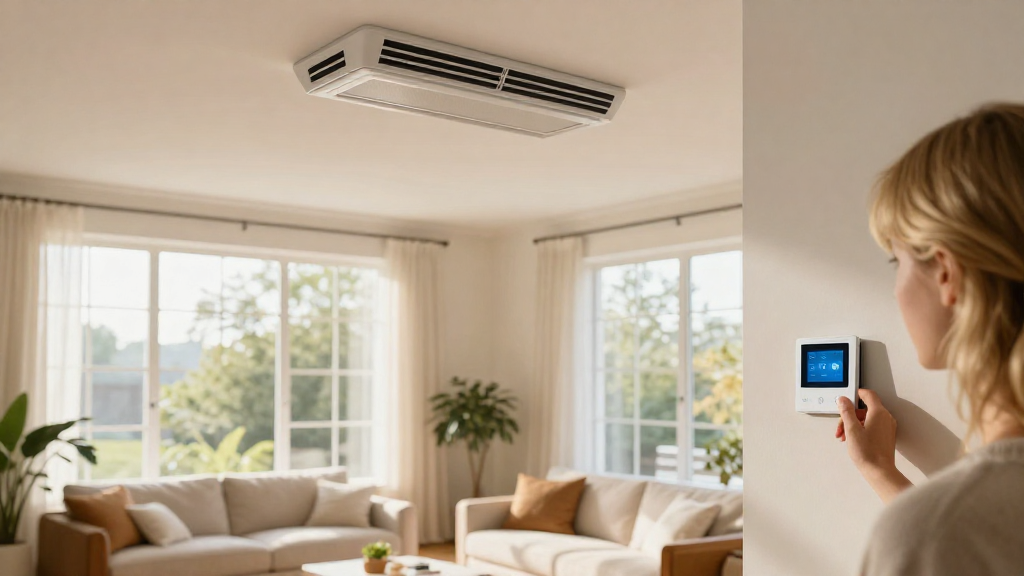
When it comes to achieving optimal temperature regulation in your home, air conditioning supply vents play a crucial role.
What Are Air Conditioning Supply Vents?
Air conditioning supply vents are openings in your home’s ductwork system that deliver cool air from your air conditioning unit into the various rooms of your house.
Understanding how these vents work is essential for maintaining a comfortable indoor environment.
When managed properly, air conditioning supply vents can lead to significant energy savings and improved cooling performance.
Why Is Managing Supply Vents Important?
Managing your air conditioning supply vents effectively can help you achieve more than just comfort. Here’s why it’s important:
-
Energy Efficiency: Properly maintained vents ensure that air is not wasted, leading to lower energy consumption.
-
Consistent Temperatures: Efficient airflow helps maintain uniform coolness throughout your home, eliminating hot spots.
-
Longevity of Equipment: A well-balanced system can prolong the lifespan of your air conditioning unit.
How Do You Ensure Proper Air Flow?
To ensure your air conditioning supply vents are working correctly, consider the following tips:
-
Keep Vents Unobstructed: Ensure that furniture, drapes, or other objects do not block the air supply.
-
Regular Cleaning: Dust and debris can build up in the vents over time. Regularly clean both the vents and filters to ensure optimum airflow.
-
Adjustable Vents: Use vents with adjustable louvers. This allows you to direct airflow where it’s needed most, helping to fine-tune your cooling system.
What Role Do Air Filters Play?
Air filters are integral to the efficiency of your air conditioning system.
If filters are dirty or clogged, the airflow through your air conditioning supply vents becomes restricted.
Here are some tips related to air filters:
-
Change Regularly: Check and replace filters every 1-3 months, especially during peak cooling seasons.
-
Choose the Right Filter: Opt for high-efficiency filters that capture smaller particles while still allowing substantial airflow.
-
Maintain Clean Ducts: It may also be beneficial to schedule professional duct cleaning periodically to remove accumulated dust and allergens.
How Can Zoning Improve Efficiency?
Implementing zoning in your cooling system can significantly improve the management of your air conditioning supply vents.
Here’s how zoning works:
-
Divided Spaces: Zoning involves dividing your home into different areas, each with its own thermostat.
-
Targeted Cooling: It allows you to cool only the areas in use, leading to energy and cost savings.
-
Smart Thermostats: Consider installing smart thermostats designed for zoning. These can automatically adjust airflow through the air conditioning supply vents based on your daily habits.
What Are the Best Practices for Maintenance?
Regular maintenance of your air conditioning supply vents is vital for ensuring peak performance.
Consider the following best practices:
-
Inspect Regularly: Periodically check your vents for signs of wear and ensure they are securely attached to the ductwork.
-
Seal Leaks: Look for any leaks or gaps in ductwork connected to the supply vents. Seal them to prevent air loss.
-
Schedule Professional Inspections: Regular HVAC maintenance checks by a professional can catch potential problems before they escalate.
How Can You Balance Air Flow Throughout Your Home?
Balancing airflow ensures that each room receives an adequate amount of cool air, maximizing comfort.
Here are some key strategies:
-
Identify Hot or Cold Spots: Pay attention to rooms that are consistently warmer or cooler than others.
-
Adjust Vents: Close or partially close supply vents in less-used rooms to redirect airflow to areas needing more cooling.
-
Use Ceiling Fans: Pair your cooling system with ceiling fans to help circulate the cooled air better.
What Are Signs of Poor Vent Function?
Monitoring the effectiveness of your air conditioning supply vents can help identify issues early. Look for the following signs:
-
Uneven Temperatures: If some rooms remain warm even when the A/C is on, your airflow might be compromised.
-
Increased Energy Bills: A sudden rise in energy bills may indicate that your system is working harder than it should due to airflow issues.
-
Strange Noises: Unusual sounds from the vents or the air conditioning unit may suggest a blockage or mechanical problem.
How Can Seasonal Changes Affect Air Conditioning Supply Vents?
Seasonal changes significantly impact the operation and management of air conditioning supply vents.
Consider these factors:
-
Summer Efficiency: During hot months, ensure vents are clean and unobstructed for optimal cooling.
-
Winter Preparation: Before winter, consider closing some vents and using heating where necessary, ensuring they are still accessible for any seasonal inspections.
Conclusion: Efficient Management of Air Conditioning Supply Vents
Effectively managing your air conditioning supply vents is key to a comfortable, energy-efficient home.
By following best practices like keeping vents clean and unobstructed, regularly changing filters, and implementing zoning, you can drastically improve cooling efficiency and comfort.
Keep an eye on potential signs of poor vent performance to address any issues early.
Incorporating these tips will ensure your vents function optimally, making sure you and your loved ones enjoy a cool and inviting indoor atmosphere during those sweltering hot days.
Regular maintenance and proactive adjustments will sustain the efficiency of your cooling system, deliver energy savings, and ensure your home remains a comfortable haven regardless of the temperature outside.