Carbon monoxide is invisible and odorless, so a dependable detector is essential wherever fuel-burning appliances, fireplaces, or attached garages are present. The best carbon monoxide detectors provide clear alerts, reliable power, and placement flexibility without complicated installation.
We compared 10 highly rated options across plug-in, battery-powered, combination gas-and-CO, and long-life designs to help you choose the right protection for bedrooms, hallways, apartments, and travel.
Best 10 Carbon Monoxide Detectors Picks for 2026
Plug-In Backup Pick
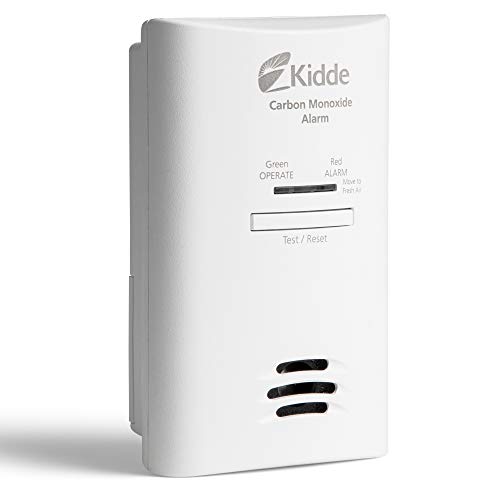
- Plug-in setup for standard 120V outlets
- Two-AA battery backup for outages
- 85 dB alarm with peak-level memory
Best For: Homeowners wanting simple plug-in CO protection
Dual-Threat Value Pick
X-Sense SC01 Smoke and CO Alarm

- Detects smoke and carbon monoxide
- 10-year sealed lithium battery
- LCD shows CO and battery information
Best For: Households seeking one alarm for two hazards
Established Plug-In Choice
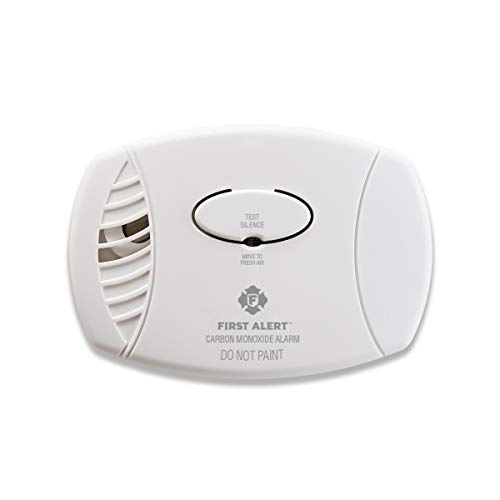
- Plug-in power with 9V battery backup
- Electrochemical sensor and 85 dB alarm
- End-of-life chirp and seven-year warranty
Best For: Buyers wanting a straightforward outlet alarm
Flexible Long-Life Pick

- Battery-powered for outlet-free placement
- FIGARO electrochemical sensor
- 85 dB audio and LED alerts
Best For: Properties needing flexible wall, ceiling, or desktop installation
Reliable Battery Protection
- Electrochemical sensor for continuous CO monitoring
- 85-decibel alarm and end-of-life chirp
- 5-year limited warranty with replaceable battery
Best For: Homes seeking simple battery-powered protection
Clear Status Monitoring
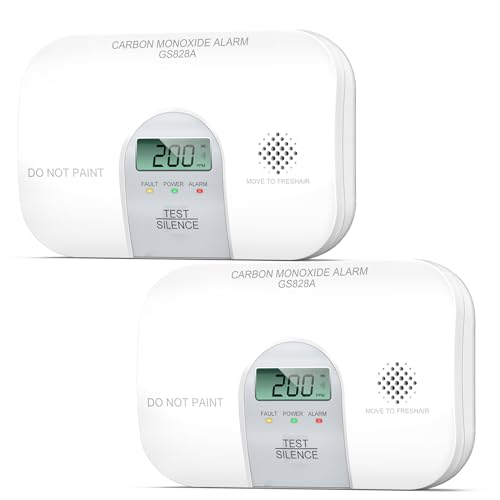
- LCD shows real-time CO levels
- LEDs identify alarm, power, and fault status
- Wall-mount or free-standing installation
Best For: Users wanting visual readings and flexible placement
Dual Gas Detection
Kidde Plug-In CO and Gas Alarm
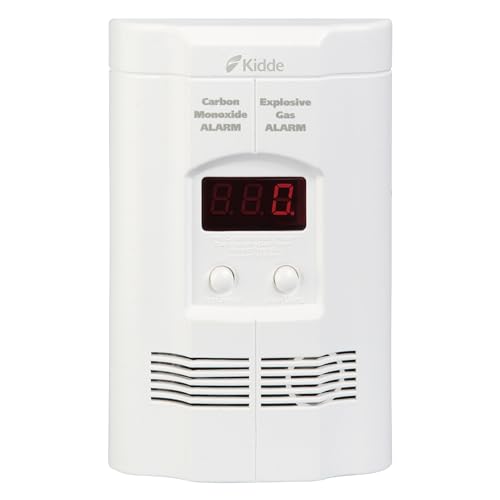
- Detects CO, natural gas, and propane
- Plug-in design with 9V battery backup
- Digital display and peak-level memory
Best For: Homes wanting combined CO and explosive-gas protection
Portable Plug-In Protection

- Plug-in power with 10-year battery backup
- Electrochemical sensor and soft status light
- Foldable plug for travel and hotel use
Best For: Travelers and bedrooms needing simple plug-in protection
Simple Battery Operation
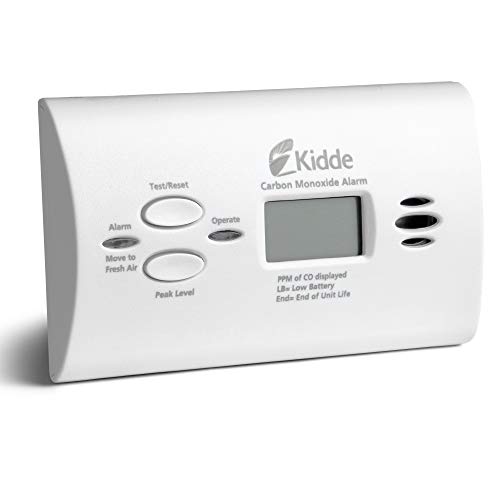
- Runs on two included AA batteries
- 85-decibel alarm with red hazard LED
- Peak memory and Test-Hush button
Best For: Renters and flexible tabletop or wall placement
Outlet Backup Convenience

- 120V plug-in power with AA backup
- Rotating plug for outlet flexibility
- 85-decibel alarm and LED warning light
Best For: Homes and apartments needing outage-ready plug-in monitoring
Plug-In Backup Pick – Kidde 3rd Edition CO Detector
For shoppers seeking carbon monoxide detectors with straightforward installation, the Kidde KN-COB-DP2 plugs into a standard 120V outlet and includes two AA batteries for backup during power outages. Its 85 dB alarm, status lights, peak-level memory, and test-hush button cover the essential everyday functions.
Best For: Homeowners who prefer a plug-in alarm with battery backup and simple controls.
Pros:
- Installs by plugging into a standard 120V outlet.
- Two-AA battery backup helps maintain protection during power failures.
- Peak-level memory records the last detected CO event or test.
- Test-hush button supports routine testing and silencing false alarms.
Cons:
- Requires a suitable outlet, so placement depends on the room’s electrical layout.
- It detects carbon monoxide but does not provide smoke detection.
This Kidde model is a practical choice when you want an easy-to-install carbon monoxide detector without hardwiring. The plug-in format and backup batteries provide convenient coverage, while the LED indicators and memory feature add useful status information.
Dual-Threat Value Pick – X-Sense SC01 Smoke and CO Alarm
The X-Sense SC01 combines smoke and carbon monoxide detection in one standalone unit, making it a space-saving option for households shopping for carbon monoxide detectors. Its sealed 10-year lithium battery, LCD display, and wall-or-ceiling mounting reduce routine maintenance and installation work.
Best For: Homes that want smoke and carbon monoxide coverage from a single battery-powered alarm.
Pros:
- Provides both smoke and carbon monoxide detection.
- Sealed lithium battery is designed to last for the unit’s 10-year life.
- Includes real-time CO and battery information on an LCD display.
- Mounts without rewiring using the included bracket, screws, and anchors.
Cons:
- This SC01 version is standalone and does not support wireless interconnection or Wi-Fi.
- It cannot be used with a base station.
Choose this X-Sense model if consolidating two types of protection matters more than smart-home connectivity. The long-life sealed battery and included mounting hardware make it especially convenient for rooms where rewiring is undesirable.
Established Plug-In Choice – First Alert CO606 Alarm
The First Alert CO606 is a plug-in carbon monoxide alarm with a battery backup, so it can continue monitoring during a power failure. It uses an electrochemical sensor, has an 85 dB alarm, and includes a single test/silence button for uncomplicated operation.
Best For: Buyers looking for a basic plug-in CO alarm with backup power and end-of-life notification.
Pros:
- Works with a standard outlet and includes a 9V battery backup.
- Electrochemical sensor is designed to detect CO levels accurately.
- Loud 85 dB alarm and one-button test/silence operation.
- End-of-life chirp indicates when replacement is needed.
Cons:
- It is a standalone carbon monoxide alarm, not a smoke detector.
- Its plug-in design limits placement to locations near an outlet.
The CO606 focuses on the essentials: outlet-powered monitoring, backup battery support, a loud alarm, and clear replacement signaling. Its seven-year limited warranty is an additional consideration for shoppers who value manufacturer coverage.
Flexible Long-Life Pick – Heiman C1-S CO Detector
The Heiman C1-S is a battery-powered option for shoppers comparing carbon monoxide detectors that can be installed without an outlet. It uses a FIGARO electrochemical sensor, provides an 85 dB audio and visual alarm, and can be mounted on a wall or ceiling or placed on a desktop.
Best For: Homeowners, landlords, and property managers who need flexible placement and long battery operation.
Pros:
- Battery-powered design allows installation without hardwiring or an outlet.
- FIGARO electrochemical sensor is intended for accurate CO detection.
- 85 dB audio alarm and LED provide audible and visual alerts.
- Compact design supports wall, ceiling, or desktop placement.
Cons:
- The supplied notes do not specify the exact battery runtime.
- It provides carbon monoxide detection only, rather than combined smoke and CO protection.
This Heiman detector stands out for placement flexibility and its compact form. The test/silence button, flame-retardant housing, UL 2034 5th Edition certification, and stated long warranty make it a strong fit for residential or light commercial settings.
Reliable Battery Protection – First Alert Battery CO Alarm
The First Alert CO400 is a straightforward battery-powered option for households seeking dependable carbon monoxide detectors. Its electrochemical sensor monitors CO continuously, including during power failures, while the 85-decibel alarm provides an audible warning when dangerous levels are detected.
Best For: Homes wanting a simple, replaceable-battery carbon monoxide alarm from an established safety brand.
Pros:
- Battery operation continues monitoring during power outages.
- Electrochemical sensor is designed to detect CO accurately regardless of room placement.
- Includes an 85-decibel alarm, end-of-life chirp, mounting bracket, and 5-year limited warranty.
Cons:
- It does not provide a digital display of CO levels.
- Fresh batteries and eventual battery replacement are required.
The CO400 focuses on essential protection without extra display features. For complete coverage, First Alert recommends placing an alarm on each level and in every bedroom.
Clear Status Monitoring – SITERWELL 7-Year CO Detector
The SITERWELL GS828A adds visual information to the usual carbon monoxide detector experience. Its LCD shows real-time CO levels, while three LED colors indicate alarm, power, or fault status. The built-in electrochemical sensor and 85-decibel alarm are designed for quick, accurate warnings.
Best For: Families, schools, hotels, garages, and travelers who want an LCD-equipped alarm with flexible placement.
Pros:
- LCD screen displays real-time carbon monoxide levels.
- Three-colored LED indicates power, alarm, or fault status.
- Can be wall-mounted or used free-standing, with built-in AA battery power.
- ETL-listed design includes a 36-month limited warranty.
Cons:
- The product life and warranty periods differ, so replacement timing should be tracked carefully.
- It is battery-powered rather than a plug-in model.
With both audible and visual alerts, the GS828A is useful when you want more information than an alarm-only carbon monoxide detector provides. Its portable, dual-installation design also supports use in multiple settings.
Dual Gas Detection – Kidde Plug-In CO and Gas Alarm
The Kidde KN-COEG-3 combines a carbon monoxide detector with explosive gas detection in one plug-in unit. It connects to a standard 120V outlet, includes a 9V battery backup for outages, and uses a digital display to show CO levels or “GAS” when explosive gas is detected.
Best For: Homes that want plug-in convenience and combined protection against carbon monoxide, natural gas, and propane.
Pros:
- Detects carbon monoxide plus explosive, natural, and propane gas.
- 9V battery backup maintains protection during power outages.
- Digital display shows CO levels or indicates gas detection.
- Peak-level memory records the last CO detection or test.
Cons:
- Plug-in installation depends on access to a suitable 120V outlet.
- Its larger combination of features may be more than needed for CO-only monitoring.
For shoppers comparing carbon monoxide detectors with broader gas protection, the Kidde stands out for its combination sensing, display, and backup power. Peak-level memory also provides useful information after an alert or test.
Portable Plug-In Protection – Compact Siterlink CO Detector
The Siterlink is a practical choice among carbon monoxide detectors for anyone who wants plug-in convenience with backup power. Its electrochemical sensor, foldable plug, and compact design make it suitable for everyday use at home or while traveling.
Best For: Travelers, bedrooms, hotels, and households wanting plug-and-play protection with extended battery backup.
Pros:
- Plugs into a standard outlet and includes a 10-year battery backup for outages.
- Electrochemical sensor is designed for responsive CO detection with fewer false alarms.
- Foldable plug and travel-size design are convenient for hotels and portable use.
- Soft green breathing-style light is intended not to disturb sleep.
Cons:
- Plug-in operation requires access to a standard electrical outlet.
- Includes one detector, so multiple areas require additional units.
Choose this model if portability and uninterrupted operation are higher priorities than a wall-mounted or fully wireless setup. The simple plug-and-play design keeps installation easy.
Simple Battery Operation – Kidde Portable CO Alarm
This Kidde model is one of the more flexible carbon monoxide detectors for homes without convenient outlet access. It runs on two included AA batteries, can sit on a tabletop or be mounted, and adds useful status and memory features.
Best For: Renters, tabletop placement, wall installation, and households wanting battery-powered detection during power failures.
Pros:
- Battery-powered operation needs no wiring and continues working during power failures.
- Electrochemical sensor detects CO gas and pairs with an 85-decibel alarm.
- Peak Level Memory records the last detected CO event or most recent test.
- Test-Hush button helps with testing and temporarily silencing low-battery chirps.
Cons:
- Requires periodic attention to its two AA batteries.
- Does not provide plug-in power or a long-term backup arrangement.
- The listed warranty applies to the alarm, not battery performance.
This is a straightforward option when flexible placement matters. Its battery-only design avoids installation wiring, while the memory and test features provide added convenience for routine checks.
Outlet Backup Convenience – Kidde Plug-In CO Detector
The Kidde COP combines outlet-powered operation with AA battery backup, making it a strong option among carbon monoxide detectors for everyday residential use. Its rotating plug, visual warning light, and compact travel-ready design add flexibility for homes, apartments, and trips.
Best For: Homeowners, renters, and travelers who want plug-in monitoring that remains active during outages.
Pros:
- Uses 120V AC power with two included AA batteries for outage backup.
- Rotating plug fits vertical or horizontal outlets and includes power surge immunity.
- Loud 85-decibel alarm, LED warning light, and Test/Hush button support easy monitoring.
- Compact design is suitable for home use, hotels, and vacation rentals.
Cons:
- Requires an available outlet for its primary power source.
- Battery backup depends on maintaining the included AA batteries.
- Its 5.47-inch width and height may be less discreet than smaller detectors.
Consider this model if you prefer the convenience of plug-in power without giving up outage coverage. The rotating plug broadens placement options, while the audible and visual alerts provide clear warnings.
How We Picked These Carbon Monoxide Detectors
We focused on practical features that affect everyday safety: power options, battery backup, alarm volume, status indicators, product life, installation convenience, and portability. The selection includes plug-in models, battery-powered alarms, combination detectors, and units with replaceable or long-life batteries. We also considered whether a detector suits a single room, a larger home, or temporary housing.
Because carbon monoxide protection depends on correct placement and maintenance, we favored designs with visible status lights, test or reset controls, and clear low-battery or end-of-life alerts. Product specifications can vary by model and revision, so check the manufacturer’s current instructions before installation.
Quick Comparison
- Best for convenient installation: Plug-in models with battery backup.
- Best for flexible placement: Battery-powered portable detectors.
- Best for long-term ownership: Models with 7- or 10-year product life.
- Best for broader gas protection: Combination carbon monoxide and explosive-gas alarms.
- Best for at-a-glance monitoring: Detectors with digital displays and LED indicators.
Key Buying Factors for Carbon Monoxide Detectors
Power and Backup
Plug-in alarms are simple to install, but a battery backup helps maintain protection during power outages. Battery-only models work in more locations and are useful for renters or travel, though their batteries require regular checks and replacement.
Placement and Coverage
Install detectors according to the manufacturer’s instructions, typically near sleeping areas and on each level of the home. Avoid placing them directly beside fuel-burning appliances, in damp areas, or where airflow may be obstructed. Multiple units may be appropriate for larger homes.
Alarm and Maintenance Features
An 85 dB alarm can provide a strong audible warning, while LED indicators or a digital display make status checks easier. Look for test buttons, low-battery warnings, and end-of-life notifications. Test every detector regularly and replace it when its rated service life ends.
Combination Detection
A combination CO and explosive-gas alarm may be useful in homes using natural gas or propane. It does not replace proper appliance maintenance, ventilation, or separate smoke alarms unless the product is specifically designed and listed for those functions.
Who Should Buy Which Carbon Monoxide Detectors?
Choose a plug-in detector with battery backup if you want quick setup near an outlet and continued protection during outages. Choose a battery-powered model for rooms without convenient outlets, rental properties, or portable use. Choose a long-life detector if you prefer less frequent battery replacement and a lower-maintenance setup. Choose a combination gas-and-CO alarm when your home uses natural gas or propane and you want one device to monitor both hazards. For a larger home, prioritize several strategically placed alarms rather than relying on a single detector.