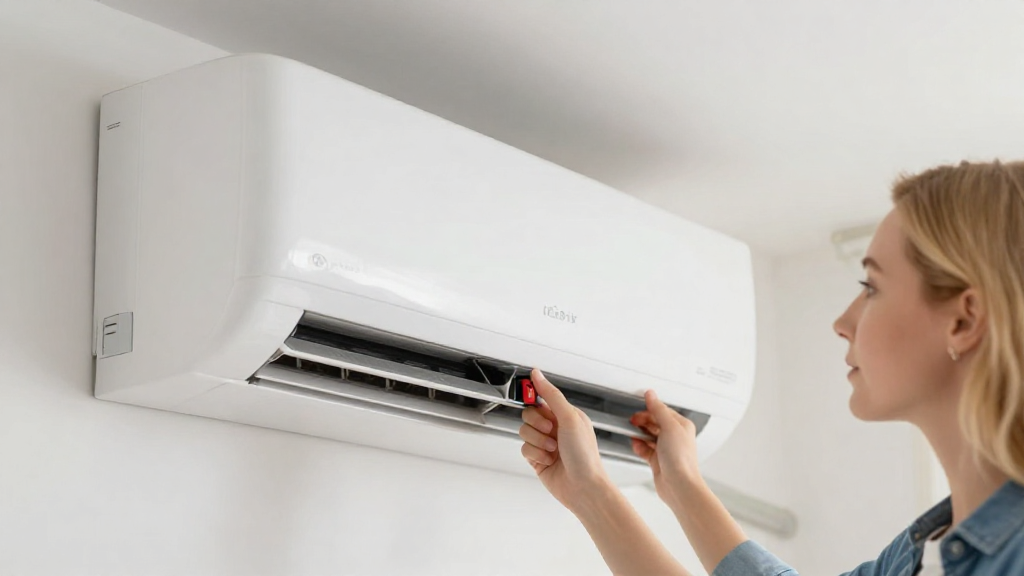
In this article, we’ll explore how to use the air conditioning emergency shutoff to safeguard your home during unexpected situations.
What is the Air Conditioning Emergency Shutoff?
The air conditioning emergency shutoff is a crucial feature found in most air conditioning units.
This mechanism allows you to turn off the unit quickly in case of an emergency, such as:
- Electrical malfunctions: If you notice sparks or hear unusual sounds, it’s essential to shut off the system immediately.
- Refrigerant leaks: If you smell something unusual or notice a reduction in cooling effectiveness, the emergency shutoff is your best friend.
- System overheat: An excessively hot AC unit may lead to a fire hazard.
Understanding how to use this feature properly can protect your home and your loved ones.
Where Can You Find the Emergency Shutoff?
To use the air conditioning emergency shutoff, you first need to locate it.
Most residential air conditioning systems have an emergency shutoff switch situated in the following locations:
- Outside unit: Look for a red or yellow switch on the side or back of your outdoor unit.
- Inside unit: This could be located on the wall near the thermostat or directly on the AC unit itself.
- Main electrical panel: Some systems may be wired to a dedicated circuit breaker for easy access.
Tips to Identify the Emergency Shutoff
- Check your owner’s manual: It typically includes the location of the shutoff switch.
- Color coding: Most emergency switches are bright red or yellow, making them easily identifiable.
- Ask a professional: If you have doubts, a licensed HVAC technician can help you locate it and explain its function.
How Do You Operate the Emergency Shutoff?
In an emergency, knowing how to operate the air conditioning emergency shutoff can save your system from further damage.
Here’s how to do it step-by-step:
- Stay Calm: Panic can lead to mistakes. Take a deep breath.
- Head to the Shutoff Switch: Quickly locate it based on the tips mentioned earlier.
- Flip the Switch: Gently but firmly turn the switch to the OFF position.
- Unplug the Unit: If it’s safe to do so, you may also unplug the unit from its power source.
- Contact a Professional: Get in touch with an HVAC technician to address the emergency and ensure your system is safe to operate again.
When Should You Use the Emergency Shutoff?
Knowing when to use the emergency shutoff can prevent further complications. Here are a few scenarios:
- Signs of overheating: If the unit emits heat instead of cool air.
- Unusual sounds: Grinding, screeching, or popping noises may indicate a malfunction.
- Odors: A burning smell or chemical odors are signals to shut off the unit immediately.
- Water leaks: Any significant water leakage around the unit can be a sign of serious issues.
What Happens When You Engage the Emergency Shutoff?
Engaging the air conditioning emergency shutoff stops power to the unit immediately.
Here’s what you can expect:
- Cooling stops: The AC will cease to cool your home.
- System safety: This action helps prevent electrical fires, refrigerant leaks, and other potentially dangerous situations.
- Diagnostic opportunity: You can assess the situation before deciding to restart the unit.
Is there a reset process after using the Emergency Shutoff?
Yes, there is a reset process you should follow before turning your AC back on:
- Wait: Allow at least 10-15 minutes after shutting off the unit.
- Inspect: Look for visible signs of trouble, such as damage or leaks.
- Reset the Emergency Shutoff: Switch it back to the ON position.
- Power On: You can reconnect the power or plug the unit back in.
- Monitor: Once the AC powers on, closely monitor its operation for any unusual signs.
Conclusion: Why It’s Essential to Know About the Panic Button
Understanding how to use the air conditioning emergency shutoff can prove invaluable.
This simple action can prevent accidents and extensive damage to your unit.
Additional Maintenance Tips
To ensure the longevity and effectiveness of your air conditioning unit, consider the following:
- Regular Inspections: Schedule routine maintenance checks with a qualified HVAC technician.
- Change Filters: Keep the unit clean by changing filters every one to three months.
- Check for Obstructions: Ensure that the outdoor unit is free from bushes, debris, and other blockages.
- Educate Your Family: Make sure everyone in your household knows how to use the emergency shutoff.
By being prepared, you can maintain the safety of your home while enjoying the comfort your air conditioning unit offers.