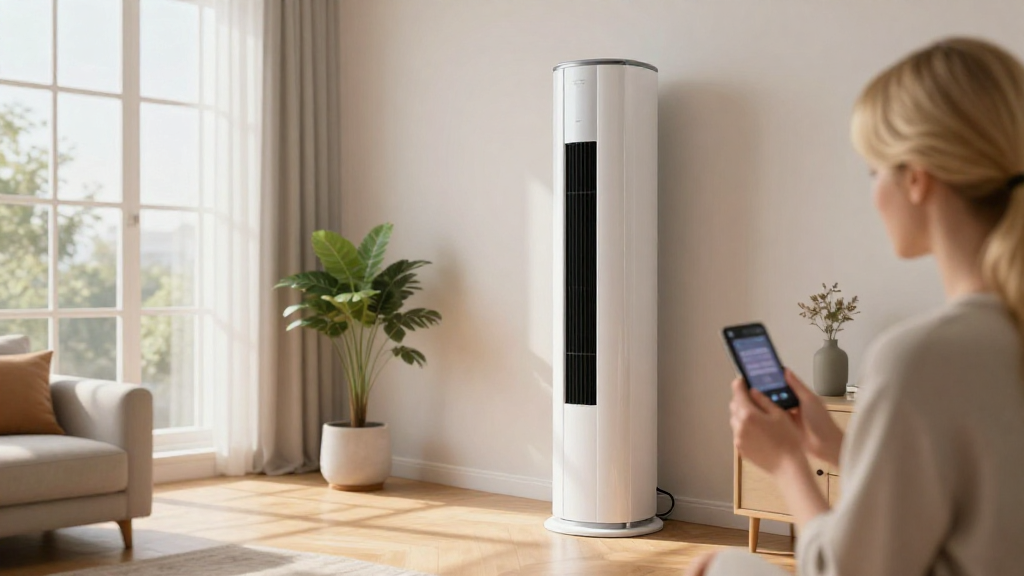
Air conditioning protection modes are essential safety features designed to maintain the optimal performance of your air conditioning system.
What Are Air Conditioning Protection Modes?
Air conditioning protection modes act as safeguards for your system.
These modes help prevent damage to the unit under specific operational circumstances, such as:
- High Temperature Protection: Automatically turns off the unit if internal components exceed safe operating temperatures.
- Low-Temperature Protection: Prevents compressor damage by shutting it down when outside temperatures drop significantly.
- High-Pressure Protection: Activates when refrigerant pressure exceeds safe levels.
- Low-Pressure Protection: Activates when the refrigerant level is too low, preventing potential compressor damage.
These features enhance the longevity of your air conditioning unit and ensure reliable performance.
Why Should You Utilize Air Conditioning Protection Modes?
Utilizing air conditioning protection modes can save you both time and money in the long run. These modes provide several benefits, including:
- Reducing Repair Costs: Prevents serious damage that could lead to costly repairs.
- Enhancing Efficiency: Keeps your unit running smoothly, which helps maintain energy efficiency.
- Extending Lifespan: Protects the critical components of your AC, extending its useful life.
- Improving Comfort: Ensures that your home remains at a comfortable temperature without interruptions.
How Do You Identify Air Conditioning Protection Modes?
Most modern air conditioning systems come equipped with various air conditioning protection modes.
To identify them, follow these steps:
- Check the Manual: Look for the owner’s manual to find specific protection modes available for your unit.
- Inspect the Control Panel: Many units have indicator lights that show when a protection mode is active.
- Seek Professional Help: If you’re unsure, consult an HVAC technician for assistance.
How Can You Activate Air Conditioning Protection Modes?
Activating air conditioning protection modes may vary depending on the model.
Here’s a general guide on how to do it:
-
Access the Control Panel:
– Locate the main control panel on your air conditioning unit.
– Most units have a digital display and a series of buttons. -
Navigate to Settings:
– Use the arrow keys or menu button to navigate the menu.
– Look for settings related to protection modes. -
Select Protection Mode:
– Choose the appropriate protection mode by pressing the indicated button.
– Confirm your selection if prompted. -
Monitor the System:
– Once activated, monitor the system for any notifications or alerts indicating status changes. -
Consult the Manual:
– For complex models, refer to the manual for specific instructions. -
Contact Customer Service:
– If activation fails, contact customer service or a technician for further assistance.
Are There Different Methods to Activate Protection Modes?
While the basic activation method remains the same across most units, there may be other methods depending on technology and design:
- Smart Features: Many smart AC units allow remote activation through a smartphone app.
- Voice Control: If integrated with home automation, commands can be given through smart assistants like Alexa or Google Assistant.
- Scheduled Settings: Some systems allow users to schedule activation times for protection modes.
What Should You Do If Air Conditioning Protection Modes Fail to Activate?
An issue with air conditioning protection modes not activating may indicate larger problems. Here’s what you can do:
- Check for Error Codes: Look for any flashing lights or error codes displayed on the unit.
- Inspect the Thermostat: Make sure the thermostat is set correctly.
- Examine Power Supply: Ensure that the unit is receiving power and that circuit breakers are functioning.
- Refer to the Manual: Consult the manual for troubleshooting steps specific to your unit.
- Contact a Professional: Reach out to an HVAC technician if issues persist.
What Maintenance Can Help Air Conditioning Protection Modes Function?
Regular maintenance is key to ensuring air conditioning protection modes function properly. Here are some maintenance tips to consider:
- Clean the Filters: Dirty filters can impede airflow and cause overheating.
- Check Refrigerant Levels: Ensure refrigerant levels are adequate to maintain safe pressures.
- Inspect Electrical Components: Check wiring and connections for adequate function and safety.
- Lubricate Moving Parts: Regular lubrication can prevent wear and tear on mechanical components.
- Schedule Regular Servicing: An HVAC professional can perform comprehensive checks and maintenance.
How Can You Learn More About Air Conditioning Protection Modes?
If you want to deepen your understanding of air conditioning protection modes, consider these resources:
- Manufacturer Resources: Visit the manufacturer’s website for technical support and documentation.
- Owner’s Manual: Refer to your owner’s manual for in-depth operational guidance.
- Online Forums: Engage in HVAC forums or communities to learn from experiences shared by others.
- Professional Training: Attend workshops or courses on HVAC systems if you want professional knowledge.
Conclusion
Activating air conditioning protection modes is crucial to ensuring the longevity and efficient functioning of your air conditioning system.
By understanding the types of protection modes available, identifying how to activate them, and maintaining your unit, you can keep your home comfortable while safeguarding your investment.
If you have any questions or need assistance, don’t hesitate to reach out to a professional HVAC technician.
Taking these proactive steps will ensure you enjoy a cool and worry-free environment, knowing your air conditioning system has built-in protection.