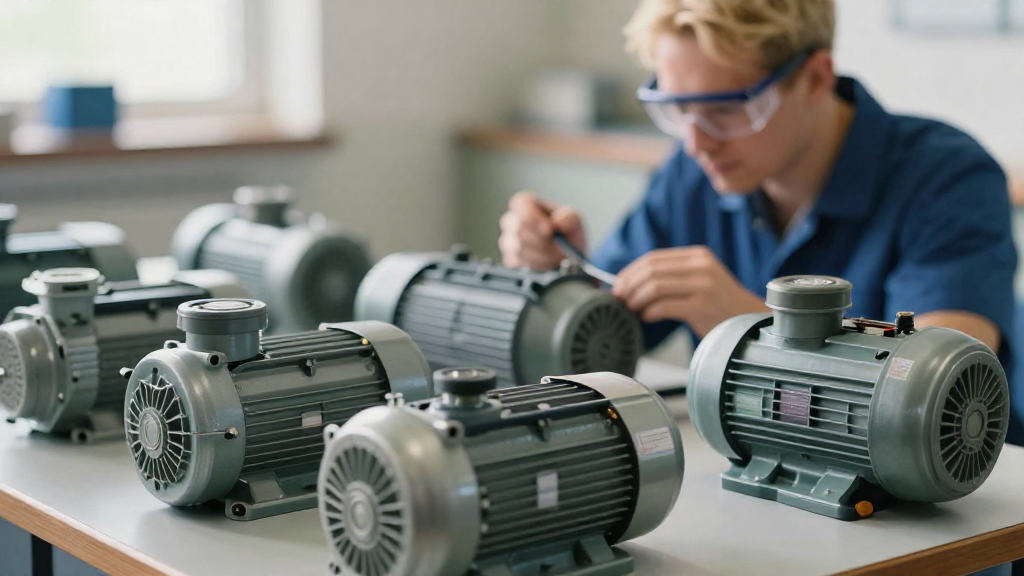
When it comes to keeping your home comfortable, understanding air conditioning motor types plays a significant role in ensuring your system runs efficiently.
What Are the Different Air Conditioning Motor Types?
In the world of HVAC (Heating, Ventilation, and Air Conditioning), knowing the various air conditioning motor types can help you make informed decisions about maintenance, repairs, or upgrades.
Air conditioning motors can generally be categorized into two main types:
- Single-phase Motors
- Three-phase Motors
What Are Single-phase Motors?
Single-phase motors are designed for use in residential air conditioning systems. Here are some key points to understand about them:
-
Power Supply: They operate on a single-phase power supply, typically found in homes.
-
Applications: Commonly used in window and portable air conditioning units.
-
Types: There are various types of single-phase motors, including:
-
Capacitor-Start Motors: These motors use a capacitor to start the motor and are prevalent in air conditioning systems.
-
Permanent Split Capacitor (PSC) Motors: Known for their low starting torque, these motors are energy-efficient and often found in blower fans.
-
Maintenance: Single-phase motors require regular maintenance to ensure they operate efficiently.
How Do Three-phase Motors Work?
Three-phase motors are more suitable for larger, industrial applications. Here’s what you need to know about them:
-
Power Supply: These motors require a three-phase power supply, more efficient for large systems.
-
Applications: Typically used in commercial buildings and large air conditioning systems.
-
Benefits:
- Higher efficiency and reliability.
-
Greater torque output, making them able to handle larger loads.
-
Cost: Generally more expensive than single-phase motors, but they offer better performance.
How Do You Identify Air Conditioning Motor Types in Your Unit?
Identifying which air conditioning motor types your unit uses is crucial for maintenance and repair. Here’s how to do it:
-
Check the Manufacturer’s Manual: This document usually lists specifications and motor types for your unit.
-
Examine the Motor Label: Most motors have labels detailing their type, voltage, and amperage.
-
Look for the Horsepower Rating: Knowing the horsepower can help pinpoint whether your motor is single-phase or three-phase.
-
Observe the Wiring: If you see three distinct wires, it typically indicates a three-phase motor.
What Are Some Common Signs of Air Conditioning Motor Trouble?
Recognizing the signs of motor issues is vital for effective maintenance. Here are some common indicators:
-
Unusual Noises: Grinding, squealing, or humming sounds may suggest mechanical failure.
-
Inconsistent Operation: Frequent shutdowns, inconsistent cooling, or failure to start may indicate motor problems.
-
Burning Smell: A burning odor can signify electrical issues or overheating.
-
Excessive Vibration: If your unit vibrates excessively, it could indicate motor imbalance or wear.
What Should You Do If You Identify Problems?
If you suspect issues with your air conditioning motor types, follow these steps:
-
Turn Off Power: For safety, turn off the power supply to your HVAC unit before performing any inspection.
-
Inspect the Motor: Check for visible signs of wear, such as frayed wires or corrosion.
-
Call a Professional: If you’re not experienced with HVAC systems, it’s best to consult a certified technician.
-
Regular Maintenance: Schedule routine inspections to catch issues before they become serious problems.
How Can You Improve the Lifespan of Your Air Conditioning Motor?
Maintaining your air conditioning motor types can prolong their lifespan and improve energy efficiency. Here are ways to ensure longevity:
-
Regular Cleaning: Dust and debris can significantly affect motor performance.
-
Lubrication: Regularly lubricate the motor bearings to reduce friction and wear.
-
Inspect Electrical Connections: Loose or corroded wires can lead to failures. Check these connections frequently.
-
Monitor Capacitors: Make sure the capacitors are functioning properly, as they are crucial for motor start-up.
What Are the Costs Associated with Different Air Conditioning Motor Types?
When it comes to costs, both installation and electricity usage can vary based on the motor type:
-
Single-phase Motors: Generally cheaper to purchase and install, making them a popular choice for residential units.
-
Three-phase Motors: While pricier up front, they can offer lower operational costs in large systems due to their efficiency.
Why Is Choosing the Right Air Conditioning Motor Type Crucial?
Selecting the appropriate air conditioning motor types not only influences the cost of installation but impacts overall performance, energy efficiency, and the comfort of your space.
-
Efficiency: An efficient motor reduces electricity consumption, saving you money in the long run.
-
Performance: The right motor enhances the system’s ability to cool your space effectively.
-
Longevity: Proper motor selection helps in reducing wear and tear, extending the life of your air conditioning system.
Conclusion: Why Understanding Air Conditioning Motor Types Is Essential
Knowledge about air conditioning motor types can greatly impact the performance and efficiency of your HVAC system.
By understanding the differences between single-phase and three-phase motors, you can make better decisions regarding maintenance, repairs, and upgrades.
Whether you are a homeowner or a business owner, investing time in understanding your air conditioning motors will not only save you money but also ensure the comfort of your environment for years to come.
Stay informed, and don’t hesitate to consult with professionals when making decisions related to your air conditioning system.