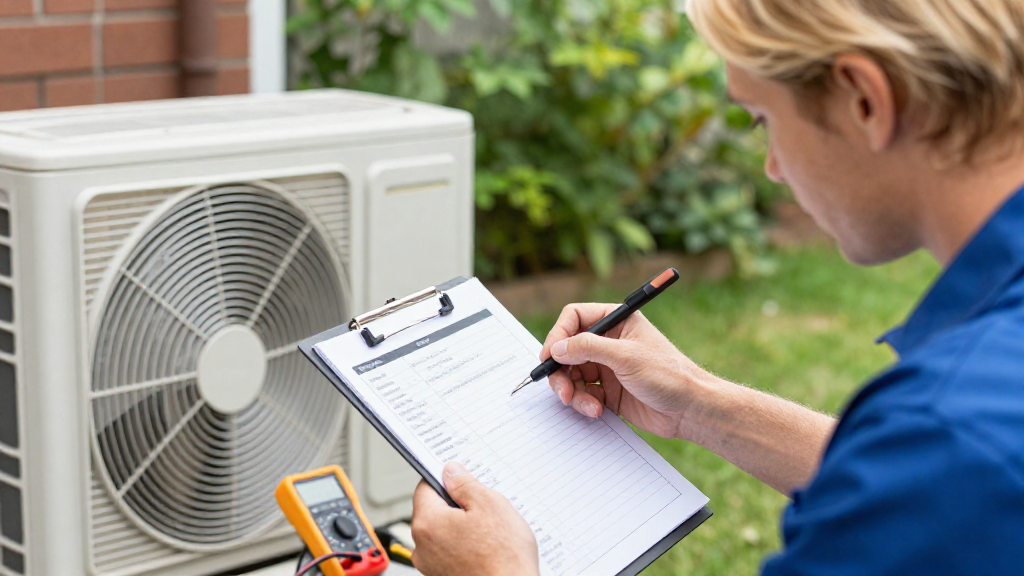
Ensuring the efficiency and longevity of your cooling system requires a regular air conditioning inspection checklist. This article outlines the steps and key components involved in performing an air conditioning inspection, providing you with insights to optimize performance and save on energy costs.
Why Is an Air Conditioning Inspection Important?
An air conditioning inspection is crucial for several reasons:
- Efficiency: Regular inspections help maintain system efficiency, leading to lower utility costs.
- Longevity: An AC system that receives routine check-ups operates longer and more reliably.
- Health: Proper maintenance of your air conditioning unit helps improve indoor air quality by reducing pollutants.
- Breakdown Prevention: Early detection of issues can prevent sudden breakdowns during peak usage times.
What Should You Include in Your Air Conditioning Inspection Checklist?
Creating an effective air conditioning inspection checklist involves focusing on several key components. Here’s a structured approach to ensure you don’t overlook any critical aspects:
-
Visual Inspection
– Check for leaks around the unit, especially near ductwork and pipes.
– Inspect the indoor and outdoor units for any visible signs of wear or damage.
– Ensure the mounting pad for the outdoor unit is level.
– Look for corrosion or rust, particularly in older systems. -
Filter Inspection
– Examine the air filters and replace them if they are dirty or clogged.
– Recommend using high-efficiency particulate air (HEPA) filters for optimal performance. -
Thermostat Functionality
– Test the thermostat settings to ensure they are accurate.
– Consider upgrading to a smart thermostat for better control and efficiency. -
Refrigerant Levels
– Check the refrigerant levels to ensure they are within the manufacturer’s specifications.
– Low refrigerant levels can indicate a leak, which should be addressed immediately. -
Electrical Connections
– Inspect all electrical connections and terminals for tightness and security.
– Look for frayed wires or burnt connections that may pose a safety hazard.
How Do You Check System Components?
In addition to the visual and functional checks, ensure you inspect the following system components as part of your air conditioning inspection checklist:
- Compressor:
- Ensure it starts readily and runs smoothly.
-
Listen for any unusual noises that might indicate problems.
-
Condensate Drain:
- Inspect the drain line for clogs or obstructions.
-
Clear any blockages to prevent water damage or mold growth.
-
Coils:
- Inspect the evaporator and condenser coils for dirt and debris.
- Clean them as necessary; dirty coils can significantly reduce system efficiency.
What Safety Measures Should Be Considered?
When performing an air conditioning inspection, safety is paramount. Here are some important safety measures to follow:
- Turn Off Power: Always disconnect power to the unit before beginning any maintenance work.
- Use Protective Gear: Wear gloves and goggles to protect against debris and chemicals.
- Be Mindful of Electrical Safety: Ensure that no water comes into contact with electrical components.
When to Call a Professional?
While some tasks in your air conditioning inspection checklist can be done by DIY enthusiasts, others require professional expertise. Here are scenarios that warrant calling an HVAC technician:
- Complex Repairs: Any repairs involving the compressor or electrical system should be handled by a professional.
- Refrigerant Issues: Handling refrigerant requires special training and certification due to its hazardous nature.
- Frequent Breakdowns: If your system is breaking down often, a thorough assessment by an expert can identify underlying issues.
How Often Should You Perform an Air Conditioning Inspection?
To ensure optimal performance, it’s recommended to conduct a comprehensive air conditioning inspection at least once a year. However, consider additional inspections:
- Before Summer: Inspect your unit before the cooling season kicks in to ensure it operates efficiently.
- After Severe Weather: Check your system after storms or extreme weather conditions, as debris may have damaged components.
What Are the Benefits of Following an Air Conditioning Inspection Checklist?
Utilizing an air conditioning inspection checklist brings numerous advantages:
- Cost Savings: Regular maintenance can lead to significant savings on energy bills.
- Comfort: A well-maintained system ensures consistent cooling in your space.
- Peace of Mind: Knowing your system operates correctly reduces stress and potential emergency expenditures.
Conclusion
Carrying out an air conditioning inspection using a thorough checklist not only prolongs the life of your system but also enhances its performance. Keep in mind the importance of routine checks, engage professionals when necessary, and follow all safety precautions.
By implementing these strategies, you’ll enjoy a comfortable indoor environment with improved air quality while preventing costly repairs down the line. Don’t wait until summer hits – make your air conditioning inspection a priority today!