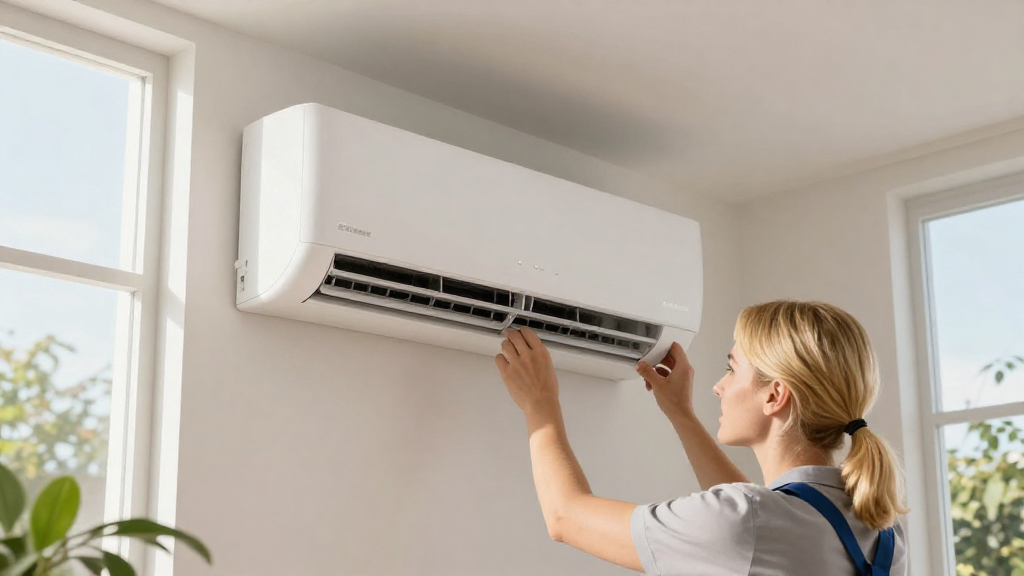
Air conditioning airflow optimization is a critical factor in enhancing the efficiency and effectiveness of your cooling systems.
What is Air Conditioning Airflow Optimization?
Air conditioning airflow optimization refers to the techniques and strategies implemented to maximize the air circulation and cooling efficiency of air conditioning units.
Proper airflow is essential for maintaining comfortable indoor temperatures and reducing energy costs.
Here are some key aspects to consider for optimizing the airflow in your air conditioning system:
- Properly sized HVAC system
- Regular maintenance and cleaning
- Adequate insulation and sealing
- Strategic furniture placement
- Use of ceiling fans in tandem
Why is Airflow Important in Air Conditioning?
Optimizing airflow in air conditioning units can significantly impact both comfort and energy efficiency.
The Role of Airflow in Cooling
Airflow directly affects how efficiently an air conditioning system can cool a space.
A well-optimized airflow ensures that cool air is evenly distributed throughout the room, leading to:
- Comfortable indoor temperatures
- Reduced energy consumption
- Enhanced system lifespan
When airflow is compromised, you may experience:
- Uneven cooling
- Increased energy bills
- Frequent system breakdowns
How to Maintain Your Air Conditioning System for Better Airflow
A well-maintained air conditioning unit is key to enhancing airflow.
Here are steps you can take to promote air conditioning airflow optimization:
1. Clean or Replace Filters
Filters trap dust, dirt, and pollutants, leading to reduced airflow when clogged.
Recommendations:
– Clean filters every month during the cooling season.
– Replace them every 3 to 6 months.
2. Inspect Ductwork
Leaky or blocked ducts can significantly diminish airflow.
How to optimize ductwork:
– Look for visible tears or holes in ducts.
– Hire a professional to conduct a thorough inspection and sealing.
3. Ensure Indoor Unit Accessibility
Air conditioning units need adequate space around them for optimal airflow.
Checklist for indoor unit access:
– Keep furniture and obstructions at least 2 feet away.
– Regularly check for dust buildup on unit surfaces.
4. Optimize Outdoor Unit Placement
The placement of your outdoor unit can impact airflow efficiency.
Key considerations:
– Ensure it is situated in a shaded area (if possible).
– Maintain at least 2 feet of clearance around the unit.
5. Schedule Regular Maintenance
Professional servicing can identify airflow issues before they affect system performance.
Common maintenance tasks include:
– Checking refrigerant levels
– Cleaning evaporator and condenser coils
How to Adjust Supply and Return Vents for Better Airflow
Optimizing airflow also involves the strategic placement and adjustment of vents.
Here’s how you can do this:
1. Balance Vent Openings
Ensure that supply and return vents are fully open.
Tips:
– Avoid closing vents in unused rooms; it can imbalance airflow.
– Adjust vents to lead cooler air towards inhabited areas.
2. Utilize Dampers for Zoning
Dampers can help control airflow to specific areas of your home or business.
Benefits of zoning:
– Improves comfort in occupied spaces.
– Facilitates more efficient cooling.
3. Use Grilles Wisely
Grilles should be unobstructed for optimal airflow.
Strategies:
– Install grilles higher in the room for better distribution of cold air.
– Keep them clean and free from dust.
What Are the Benefits of Air Conditioning Airflow Optimization?
Implementing effective air conditioning airflow optimization strategies not only provides immediate comfort but also yields long-term benefits.
- Lower Energy Costs: Efficient airflow reduces the strain on your air conditioning unit, decreasing energy consumption.
- Prolonged Equipment Life: Balanced airflow minimizes wear and tear, extending the lifespan of the unit.
- Improved Indoor Air Quality: Enhanced airflow reduces the concentration of indoor pollutants and allergens.
How to Use Ceiling Fans for Airflow Optimization
Complementing your air conditioning unit with ceiling fans can significantly improve airflow.
Here’s how to effectively use ceiling fans:
1. Set the Direction
Summer settings should push air downward, while winter settings should draw air upward.
Instructions:
– Look for a switch on the fan to change direction.
– Make adjustments according to the season for optimal airflow.
2. Pairing with Air Conditioning
Fan circulation helps distribute cooled air more evenly, allowing you to set your thermostat a few degrees higher.
Advantages:
– Increased comfort without additional energy costs.
– Better overall effectiveness of the air conditioning unit.
How Can Insulation Affect Air Conditioning Airflow?
Proper insulation plays a crucial role in maintaining optimized airflow within your air conditioning system.
Key points to remember:
- Insulation Types: Fiberglass, foam, and radiant barrier.
- Areas to Insulate: Walls, attics, basements, and crawl spaces.
1. Reduce Air Leaks
Drafts and air leaks can significantly disrupt the optimal performance of your air conditioning unit.
Recommendations:
– Conduct a home energy audit.
– Seal areas where air may be escaping.
2. Improve Thermal Resistance
Better insulation helps maintain stable indoor temperatures and supports optimal airflow.
Considerations:
– Aim for R-value appropriate for your climate.
– Invest in quality insulation materials.
Conclusion: The Importance of Air Conditioning Airflow Optimization
In summary, air conditioning airflow optimization is essential for improving energy efficiency, enhancing comfort, and maintaining indoor air quality.
From regular maintenance and duct inspections to the integration of ceiling fans and proper insulation, numerous strategies can be employed to achieve optimized airflow.
Take these guidelines seriously, invest some time in ensuring your system is operating at its best, and enjoy the benefits of a well-optimized air conditioning system.
By following these steps, not only will you enhance the performance of your air conditioning unit, but you will also create a more comfortable living environment while curtailing energy costs.
Start today, and keep your cool throughout those hot summer months!