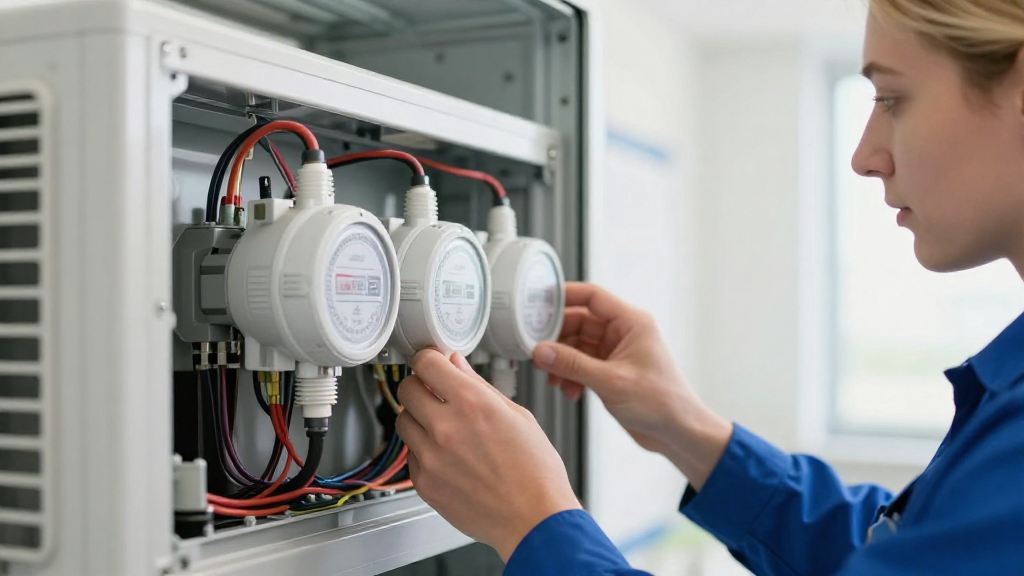
Calibrating sensors in air conditioning systems is essential for maintaining optimal performance and energy efficiency.
What Is Air Conditioning Sensor Calibration?
Air conditioning sensor calibration refers to the process of adjusting the sensors in an air conditioning system so that they accurately measure temperature, humidity, and other environmental variables.
Proper calibration ensures that the system operates smoothly, maintaining desired settings without unnecessary energy consumption.
Why Is Air Conditioning Sensor Calibration Important?
-
Accuracy:
– Sensors that are not calibrated may provide inaccurate readings.
– This can lead to the system running longer than necessary, causing higher energy bills. -
Comfort:
– Accurate sensors ensure that the air conditioning system maintains a comfortable indoor environment.
– Fluctuations in temperature can lead to discomfort for occupants. -
Longevity:
– Regular calibration can prolong the lifespan of your air conditioning system.
– By avoiding overworking the system due to inaccurate readings, you can reduce wear and tear. -
Efficiency:
– An accurately calibrated sensor increases energy efficiency.
– This not only saves money but also reduces the environmental impact.
How Often Should You Perform Air Conditioning Sensor Calibration?
It’s recommended to perform air conditioning sensor calibration at least once a year.
However, certain conditions may necessitate more frequent checks, such as:
- Severe Weather Changes:
-
Rapid temperature fluctuations can affect sensor performance.
-
System Upgrades:
-
If you install new components, recalibration may be required.
-
Inconsistent Performance:
- If you notice irregularities in system performance, a calibration check should be done as soon as possible.
What Tools Are Needed for Air Conditioning Sensor Calibration?
Before starting the calibration process, gather the following tools:
- Digital Thermometer:
-
To verify the accuracy of temperature readings from the air conditioning sensor.
-
Multimeter:
-
A multimeter can help measure voltage and current, which are essential for diagnosing sensor performance.
-
Calibration Software:
-
Some modern air conditioning systems require dedicated software for calibration.
-
Screwdriver Set:
-
For accessing the controls of the air conditioning units.
-
Cleaning Supplies:
- Keep sensors clean to ensure that external factors do not skew readings.
How to Calibrate Air Conditioning Sensors Step by Step?
-
Turn Off the System:
– Before starting the calibration process, ensure that your air conditioning system is powered down. -
Access the Sensors:
– Use your screwdriver set to remove any panels that cover the sensors.
– Be cautious not to damage any components during this process. -
Clean the Sensors:
– Use a soft cloth to gently clean the sensors, ensuring no dust or debris affects performance. -
Measure the Area Temperature:
– Use the digital thermometer to take the ambient temperature where the air conditioning system is located.
– Compare this with the reading from the air conditioning sensor. -
Adjust Calibration Settings:
– If the readings do not match, use the system controls or calibration software to adjust the sensor’s settings.
– Refer to your manufacturer’s guidelines for specific instructions on how to alter the calibration settings. -
Test After Calibration:
– Once adjustments are made, power the system back on.
– Monitor the temperature and ensure it aligns with your desired settings. -
Document the Calibration Process:
– Keeping accurate records of calibration dates and adjustments made helps maintain ongoing system performance.
What are Common Problems Related to Sensor Calibration?
Understanding common issues can help you prevent complications and ensure your air conditioning sensor calibration is effective.
- Inability to Detect Temperature Changes:
-
Your sensor might fail to respond accurately if it’s dirty or misaligned.
-
Delayed Response Time:
-
If the sensor takes too long to register changes, it may not be properly calibrated.
-
Faulty Readings:
-
Sudden fluctuations in temperature readings could indicate malfunctioning sensors.
-
Inconsistent System Performance:
- If your air conditioning system seems to work intermittently or fails to maintain set temperatures, it may be time for a recalibration.
When Should You Call a Professional for Calibration?
While many homeowners can handle basic air conditioning sensor calibration on their own, there are situations where you should consider hiring a professional:
- Severe Damage:
-
If you notice damage to wires or sensors that may affect their functionality.
-
Frequent Issues:
-
If sensor calibration is frequently needed, a professional can troubleshoot underlying problems that may be causing the issue.
-
Complex Systems:
- Systems that include advanced technology or multiple zones may require professional expertise for accurate calibration.
Conclusion
Air conditioning sensor calibration is a critical task that ensures your system operates efficiently, accurately, and reliably.
By understanding what calibration entails and how to perform it, you can help maintain a comfortable and cost-effective environment in your home or business.
Remember, regular check-ups and maintenance can prevent issues down the road, keeping your air conditioning system running smoothly.
If you’re experiencing persistent calibration challenges, don’t hesitate to reach out to a qualified technician for assistance.
Maintaining proper air conditioning sensor calibration is key to achieving an efficient air conditioning system.