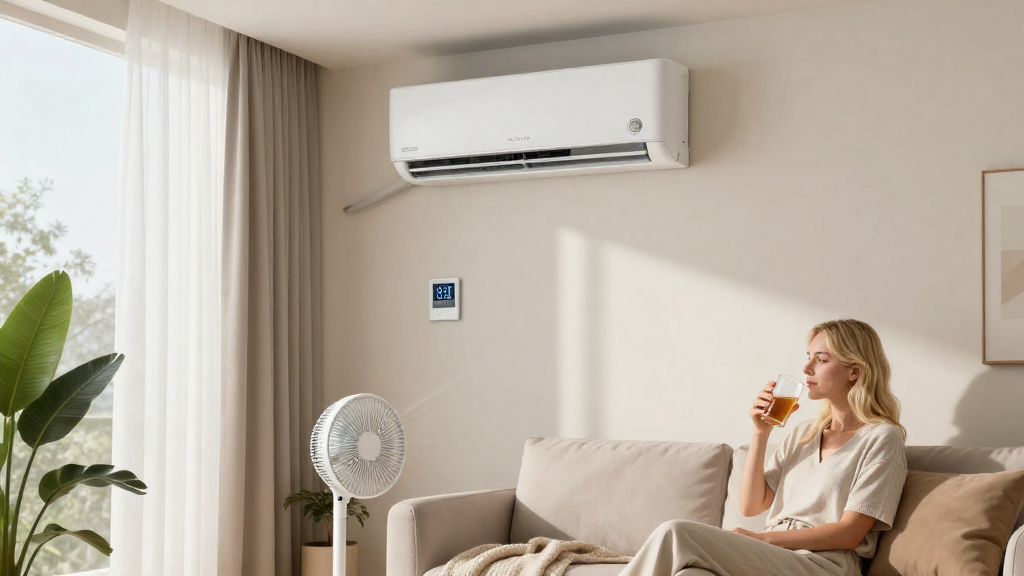
Setting the ideal air conditioning temperature range is crucial for comfort, energy efficiency, and health.
What is the Ideal Air Conditioning Temperature Range?
When determining the perfect air conditioning temperature range, several factors come into play.
This includes personal comfort, geographic location, time of year, and even the type of HVAC system in use.
An ideal temperature range generally falls between 72°F to 78°F (22°C to 26°C) during the summer months.
However, there are nuanced considerations to keep in mind.
How Does Air Conditioning Temperature Affect Comfort?
The air conditioning temperature range significantly impacts how comfortable you feel indoors.
-
Humidity Control:
– Keeping your space between 72°F and 78°F helps control indoor humidity levels, making warm days feel cooler.
– A temperature that’s too low can create excess moisture, leading to a clammy environment. -
Air Quality:
– Balancing your air conditioning settings can also improve indoor air quality.
– Warm air can hold more moisture leading to mold growth and allergens. -
Energy Efficiency:
– A higher temperature setting can save you money on energy bills.
– Each degree above 72°F can reduce your cooling costs by about 3% to 5%.
How Can You Optimize Your Air Conditioning Temperature Range?
To maximize both comfort and efficiency, consider the following tips:
- Use Programmable Thermostats
- Set your air conditioning temperature to automatically adjust throughout the day.
-
Aim for higher settings when sleeping or when the house is empty.
-
Fans and Ventilation
- Combine your AC with ceiling fans or portable fans for better airflow.
-
This can allow you to set the air conditioning temperature range a degree or two higher, maintaining comfort.
-
Zoning Systems
- If your home has multiple levels, use zoning controls.
-
This helps create different temperature ranges for various rooms based on usage.
-
Regular Maintenance
- Keeping your AC unit well-maintained ensures optimal performance.
- Regular filter changes and tune-ups can lead to better cooling efficiency.
What Factors Should You Consider When Setting Your Air Conditioning Temperature Range?
Understanding the variables can help you find the best air conditioning temperature range for your situation:
-
Outdoor Temperature:
– Higher outdoor temperatures may require a lower indoor temperature for comfort.
– Conversely, during milder weather, a higher indoor temperature can maintain comfort without overworking the system. -
Personal Preference:
– Everyone has different comfort levels.
– Some people feel comfortable at 74°F, while others prefer 76°F. Adjust accordingly. -
Humidity Levels:
– High humidity can make a room feel warmer than it actually is.
– Sometimes, lowering the temperature slightly can help combat sticky conditions. -
Activity Level:
– More activity generates body heat.
– If you’re working out indoors or engaging in labor-intensive tasks, you might want a cooler air conditioning temperature range.
How Can You Monitor Indoor Temperature for Efficiency?
Monitoring the effectiveness of your air conditioning can be done effectively by using:
- Thermometers:
- Place thermometers in various rooms to assess temperature variance.
-
Ensure you room stays within your desired air conditioning temperature range.
-
Smart Thermostats:
- Look for smart thermostats that monitor weather changes and adjust accordingly.
- These devices can offer insights into how you can further optimize your cooling strategy.
Can Air Conditioning Temperature Impact Health?
Setting your air conditioning temperature range can also influence your health. Consider these factors:
-
Cold Symptoms:
– Brutally low temperatures can lead to cold-like symptoms or exacerbate allergies.
– Keeping a moderate temperature helps mitigate these risks. -
Dehydration:
– Excessively cool indoor settings can dry out your air, leading to dehydration.
– Maintaining a balanced temperature can help minimize this, keeping skin and airways hydrated. -
Sleep Quality:
– The ideal sleep temperature for most people is around 65°F to 71°F depending on personal comfort.
– Adjust your air conditioning temperature range accordingly during sleep hours for improved rest.
What are Additional Tips for Setting Your Air Conditioning Temperature Range?
Here are some additional tips to find the sweet spot in your air conditioning temperature range:
- Wear Appropriate Clothing:
-
Dress according to the indoor temperature to keep comfortable without needing to adjust the thermostat frequently.
-
Use Curtains and Blinds:
- Keep curtains closed during the hottest parts of the day to reduce indoor temperature.
-
This adds to your cooling strategy by making it easier to maintain an ideal air conditioning temperature range.
-
Limit Heat Sources:
- Turn off electronics when not in use.
- This reduces heat load and makes it easier for your AC to maintain the desired temperature.
Conclusion: What’s Your Perfect Air Conditioning Temperature Range?
Ultimately, finding the right air conditioning temperature range is a personal and situational decision.
By considering comfort, energy efficiency, and health impacts, you can arrive at an ideal setting that benefits you and your household.
Regular monitoring and adapting to your needs can ensure that your indoor environment remains comfortable throughout the hotter months.
Remember, finding this balance can contribute significantly to your quality of life, energy savings, and overall home effectiveness.
So, what temperature will you set your air conditioning to today?