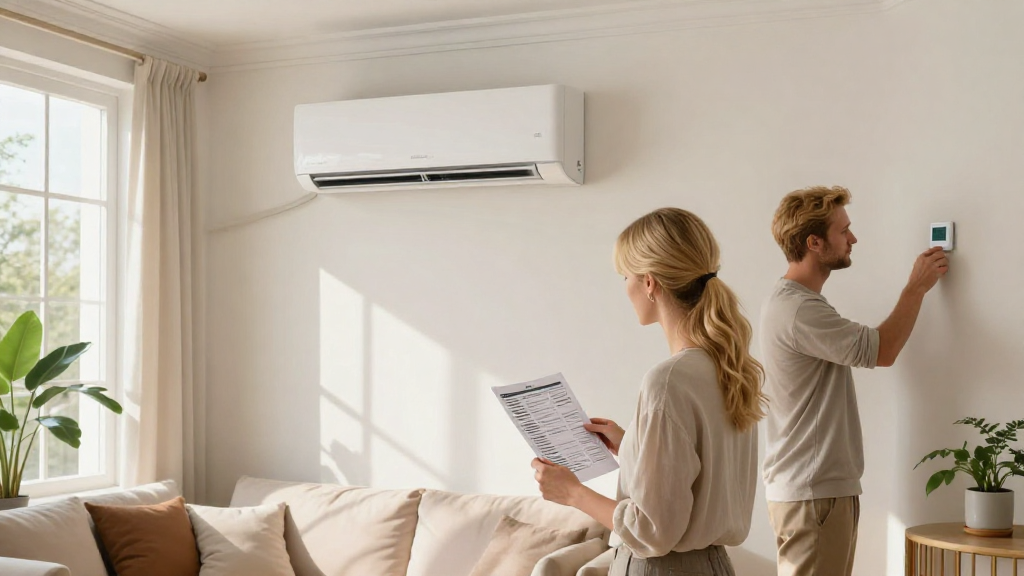
Navigating the complexities of air conditioning in energy codes can be a daunting task for homeowners and contractors alike.
However, understanding these regulations is crucial for compliance and efficiency.
What Are Energy Codes for Air Conditioning?
Energy codes for air conditioning are regulations designed to set minimum energy efficiency standards for HVAC systems.
These codes aim to reduce energy consumption, lower utility bills, and minimize environmental impact.
Typically mandated by state and local governments, energy codes focus on several key aspects of air conditioning systems:
- Efficiency ratings: Determined by Seasonal Energy Efficiency Ratio (SEER) and Energy Efficiency Ratio (EER).
- Installation requirements: Proper installation methods that ensure optimal performance and efficiency.
- Maintenance practices: Regular maintenance guidelines to keep systems running efficiently over time.
Observing these codes is not only a legal obligation but also a way to contribute to a more sustainable future.
How Do Energy Codes Impact Air Conditioning Systems?
Emphasizing energy efficiency has a significant impact on air conditioning systems.
By aligning with energy codes for air conditioning, you can:
- Reduce energy costs: High-efficiency systems consume less energy, reducing monthly utility bills.
- Promote sustainability: Energy-efficient systems contribute to lower carbon emissions.
- Increase property value: Homes equipped with compliant systems often have higher resale values.
Understanding how energy codes influence these aspects can motivate homeowners to comply fully.
What Are the Key Components of Energy Codes?
Several critical factors are essential to consider when navigating energy codes for air conditioning:
-
SEER Rating: This measures the cooling output during a typical cooling season divided by the total electric energy input. The higher the SEER rating, the more efficient the unit.
-
Building Envelope: Energy codes often address insulation and air sealing, which can drastically affect the performance of air conditioning systems.
-
Ductwork Design: Properly designed and insulated ducts can help minimize energy loss and ensure that cooled air reaches intended spaces efficiently.
-
Zoning Systems: Implementing zoning systems can improve energy efficiency by allowing specific areas to be cooled according to usage requirements.
Familiarizing yourself with these components will empower you to make informed choices about HVAC systems.
How Can Homeowners Comply with Energy Codes?
Here are actionable steps for homeowners to ensure they comply with regulations regarding air conditioning in energy codes:
- Choose High-Efficiency Systems
Opt for air conditioning units with a high SEER rating.
Look for models that exceed the minimum requirements set by your local energy codes.
- Hire Licensed Professionals
Ensure that any installation or repair work is conducted by licensed HVAC professionals.
Proper installation is critical for meeting energy codes and maximizing efficiency.
- Schedule Regular Maintenance
Regular maintenance checks are vital to keeping your AC running efficiently.
Change or clean filters, check for leaks, and perform other essential upkeep every year.
- Utilize Energy-Efficient Practices
Engage in energy-saving practices such as:
- Using programmable thermostats.
- Closing blinds during peak sun hours.
- Sealing any air leaks around windows and doors.
- Stay Informed
Stay updated on local energy codes and regulations.
Municipalities might revise laws or introduce new standards, so regular research is beneficial.
What Are the Common Challenges in Meeting Energy Codes?
Complying with energy codes for air conditioning can present several challenges:
-
Understanding Local Regulations: Each city or state may have its own specific requirements, so confusion can arise.
-
Higher Initial Costs: High-efficiency models might be more expensive upfront, though they typically save money in the long run.
-
Installation Difficulties: Some homeowners attempt DIY installation, which can lead to compliance failures if not done correctly.
It’s important to recognize these challenges and seek solutions to ensure compliance.
How Can Contractors Aid in Compliance?
Contractors play a crucial role in helping clients meet energy codes related to air conditioning. Here’s how they can contribute:
-
Knowledge of Local Codes: Professionals should be well-versed in local regulations and provide advice tailored to specific projects.
-
Energy Audits: Conduct comprehensive energy audits to identify areas for improvement.
-
Recommendations: Suggest high-efficiency systems and insulation techniques that comply with energy codes.
-
Quality Installation: Provide expert installation services to guarantee that systems are set up to function at peak efficiency.
Collaborating closely with a qualified contractor ensures that you stay within legal boundaries while maximizing energy savings.
What Resources Are Available for Compliance?
To facilitate compliance with energy codes for air conditioning, several resources can be of help:
-
Energy Efficiency Programs: Many states offer programs incentivizing homeowners to upgrade to efficient systems.
-
Government Websites: Sites like the U.S. Department of Energy offer valuable information and guidelines.
-
Local Utilities: Utility companies often have resources and programs designed to aid homeowners in energy efficiency features.
Utilizing these resources can better equip homeowners to make compliant choices in air conditioning.
Conclusion: How to Ensure Compliance with Energy Codes for Air Conditioning
Understanding air conditioning in energy codes is not only about legal compliance but also about energy efficiency and sustainability.
By following the steps outlined in this article, homeowners can better navigate the nuances of local regulations and make informed decisions regarding their HVAC systems.
Investing time and money into compliant air conditioning systems pays off in long-lasting efficiency, reduced energy bills, and a smaller carbon footprint.
Stay informed, engage professionals for installations and maintenance, and make sustainable choices for a brighter, energy-efficient future.