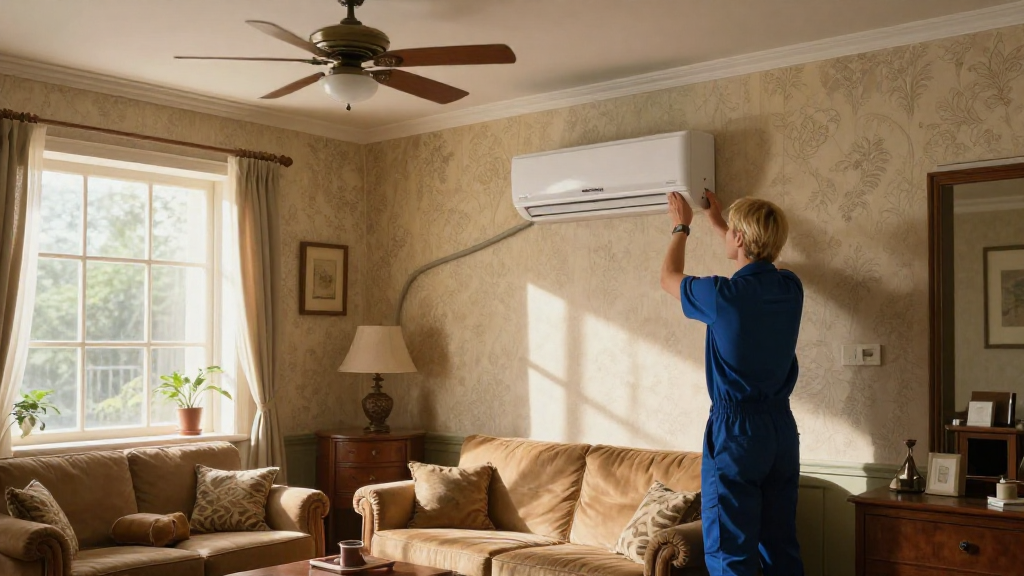
If you own an older home and are looking to enhance its comfort level during those hot summer months, this air conditioning retrofit guide is designed for you.
What Does an Air Conditioning Retrofit Involve?
Retrofitting an older home with air conditioning involves upgrading or modifying the existing structures to accommodate a modern cooling system.
This process can ensure energy efficiency, improve indoor air quality, and enhance overall comfort.
What Types of Air Conditioning Systems Are Best for Older Homes?
When selecting an air conditioning system for your retrofit project, consider the following options:
-
Ductless Mini-Split Systems: Ideal for homes without existing ductwork.
-
Central Air Conditioning: Best suited if your home already has ductwork, but may require significant modifications.
-
Window Units: A budget-friendly and easy-to-install alternative for single rooms.
-
Portable Units: Perfect for renters or those seeking a temporary solution.
Choose the system that fits your home’s layout and your budget constraints based on your specific cooling needs.
How Do I Assess My Home’s Current Cooling Needs?
Evaluating your home’s current cooling needs is crucial for a successful air conditioning retrofit.
Key factors to consider include:
-
Square Footage: Measure your home’s square footage to determine needed cooling capacity.
-
Insulation Quality: Good insulation affects the efficiency and effectiveness of your new air conditioning system.
-
Sunlight Exposure: Homes with large windows or those facing the sun may need more cooling power.
-
Number of Occupants: More people generate heat; take this into account when planning.
-
Current Ventilation: Assess how air circulates in your home to optimize airflow with your new system.
What Are the Energy Efficiency Ratings I Should Look For?
When choosing air conditioning units, pay attention to the Energy Efficiency Ratio (EER) and Seasonal Energy Efficiency Ratio (SEER) ratings.
Here’s a quick breakdown:
-
EER is the cooling output divided by power input at a specific temperature, indicating efficiency at peak performance.
-
SEER measures cooling output for an entire cooling season divided by total electric energy input.
In your air conditioning retrofit guide, you should aim for:
-
SEER Ratings of 14 or Higher: This is generally considered energy-efficient.
-
EER Ratings of 12 or Higher: A robust EER indicates efficient performance during peak conditions.
Do I Need to Upgrade My Electrical System?
Older homes often require electrical upgrades to support modern air conditioning systems.
-
Assess Current Capacity: Check if your existing electrical system can handle the additional load from an air conditioning unit.
-
Circuit Breakers and Wiring: Make sure your circuit breakers and wiring meet local codes and can withstand the demands of new appliances.
It’s wise to consult a licensed electrician to evaluate and recommend necessary upgrades.
How Can I Improve Insulation Before Retrofitting?
Improving your home’s insulation is key to maximizing the efficiency of your air conditioning system.
Consider these methods:
-
Attic Insulation: Adding insulation can prevent cool air from escaping in the summer.
-
Wall Insulation: Ensure walls are properly insulated to maintain a comfortable indoor temperature.
-
Sealing Gaps: Check for and seal gaps around windows, doors, and other openings.
Enhancing insulation will create a more effective air conditioning environment, as you won’t lose as much cool air, allowing your system to work efficiently.
What Are the Next Steps to Retrofitting My Home?
Here’s a step-by-step process to assist you in your air conditioning retrofit project:
-
Conduct a Home Energy Audit: Evaluate your home’s current performance levels to identify necessary improvements.
-
Select an Air Conditioning System: Based on your assessments, choose the right system from earlier options discussed.
-
Plan for Ductwork Modifications: If opting for a traditional system, you may need to install new ductwork.
-
Install the System: Hire a licensed HVAC contractor to ensure the installation is compliant with local building codes.
-
Consider Smart Thermostats: Invest in a smart thermostat to regulate temperature efficiently.
-
Perform Regular Maintenance: Schedule annual maintenance to keep your system running efficiently.
How Do I Choose a Trustworthy HVAC Contractor?
Choosing the right HVAC contractor is critical for a successful air conditioning retrofit.
-
Check Credentials: Ensure they are licensed and insured.
-
Read Reviews: Look for customer reviews and testimonials to gauge reputation.
-
Estimate Comparisons: Get multiple quotes to understand market rates.
-
Evaluate Experience: Choose a contractor with experience specifically in retrofitting older homes.
What Are Common Challenges While Retrofitting?
Retrofitting an older home can present unique challenges, such as:
-
Space Constraints: Older homes may lack the available space for certain systems.
-
Structural Integrity: Ensure the retrofitting doesn’t compromise the home’s structure.
-
Zoning Considerations: Check local zoning laws that may affect installation.
Conclusion
Retrofitting an older home with air conditioning can seem daunting, but with the right information and professional help, it can greatly increase your home’s comfort and energy efficiency.
This air conditioning retrofit guide has provided you with valuable insights into assessing your needs, choosing the right system, and understanding the challenges involved.
By carefully planning your project and working with trustworthy professionals, you can enjoy a cool and comfortable home for years to come.
Remember, proper maintenance will ensure your air conditioning system runs efficiently, maximizing the investment in your home’s comfort.
Get Started Today!
Don’t wait until the warm summer months are in full swing.
Start your journey towards a cooler, more comfortable living space by planning your air conditioning retrofit now!