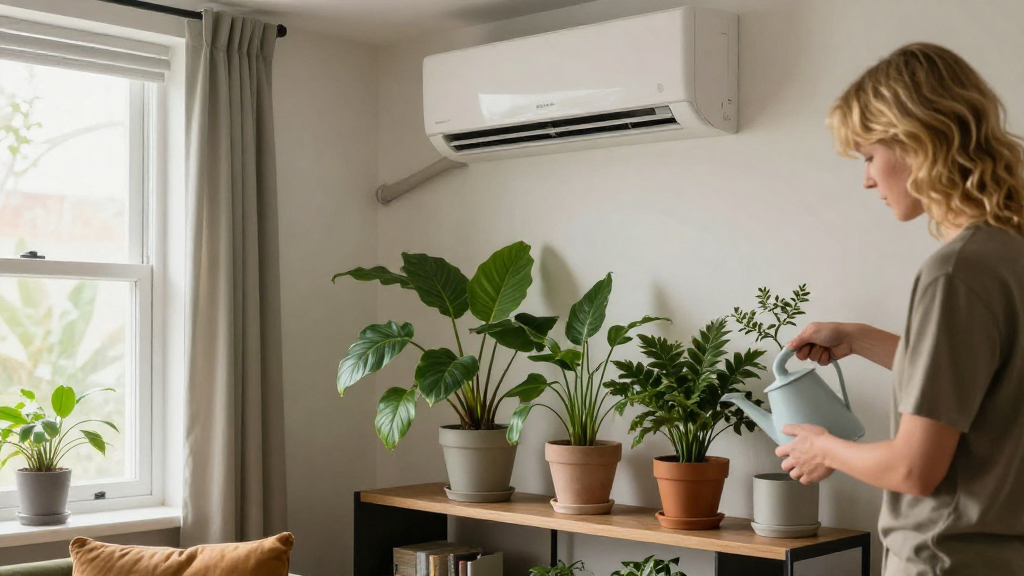
If you’re wondering how to maintain the health of your indoor plants while using air conditioning, this article is designed just for you.
How Does Air Conditioning Affect Indoor Plants?
Air conditioning and indoor plants can have a complicated relationship.
While air conditioning provides a comfortable atmosphere for people, the dry air it produces can pose challenges for your greenery.
Here are some key points to consider:
-
Humidity Levels: Air conditioning can significantly reduce indoor humidity, which can stress plants that thrive in humid environments.
-
Temperature Fluctuations: Sudden drops in temperature can shock your plants, especially if they’re used to warmer, stable conditions.
-
Airflow: Strong jets of cold air can dry out leaves or cause damage if not monitored closely.
By understanding these factors, you can create a more balanced environment for your indoor plants.
What Can You Do to Mitigate Dry Air?
Air conditioning and indoor plants can coexist harmoniously with a few proactive steps.
Here’s how you can maintain humidity and protect your greenery:
1. Use a Humidifier
A humidifier is one of the best tools to increase indoor humidity.
-
Consider placing it in the same room as your plants.
-
Aim for a humidity level between 40% and 60% for optimal plant growth.
2. Group Your Plants
Plants have a natural way of creating humidity around them.
When grouped together, they can raise the humidity in their immediate environment.
-
Start by placing pots closely, but ensure they don’t crowd each other.
-
This strategy works especially well with tropical plants that love moisture.
3. Mist Your Plants Regularly
Misting your indoor plants can add a layer of humidity.
Here’s how to effectively mist:
-
Use a spray bottle filled with water.
-
Mist once or twice a week, focusing on the leaves (but avoid soaking them).
-
Remember that some plants, like succulents, may not benefit from misting.
4. Use Pebble Trays
Creating a pebble tray is a simple yet effective way to increase humidity.
-
Fill a shallow tray with pebbles and add water but ensure it doesn’t touch the plant’s pot.
-
The evaporation will contribute humidity to the surrounding air.
5. Choose the Right Plants
Selecting plants adapted to low humidity can alleviate much of the concern.
Look for these indoor plant options:
-
Snake Plant: Tolerates a range of conditions.
-
ZZ Plant: Thrives in drier air.
-
Pothos: A hardy option that does well with indoor air fluctuations.
How Can You Protect Plants from Cold Air?
Air conditioning and indoor plants can clash, especially when it comes to cold drafts.
Here are some tricks to keep your plants from freezing:
1. Adjust Your Thermostat
Keeping your thermostat at a stable temperature is crucial.
-
A setting between 70°F and 80°F is often ideal for a variety of indoor plants.
-
Avoid frequently changing the temperature.
2. Position Plants Wisely
Where you place your plants can drastically impact their health.
-
Move sensitive plants away from air vents to prevent harsh blasts of cold air.
-
Consider placing them on tables or shelves where they can be more protected.
3. Use Plant Covers
For particularly sensitive plants, temporary coverings can offer a buffer against cold drafts.
-
Lightweight fabric or plastic can help shield plants during peak air conditioning times.
-
Make sure to remove covers when the temperature stabilizes to avoid heat buildup.
Why Is Watering Important?
Watering is crucial when balancing air conditioning and indoor plants.
High temperatures from air conditioning can cause plants to dry out quicker, leading to:
- Wilting Leaves: A clear sign your plant needs water.
- Leaf Drop: If your plant can’t retain water, it may shed leaves to conserve resources.
Tips for Proper Watering:
-
Check Soil Moisture: Use your finger to determine if the first inch of soil is dry.
-
Water Evenly: Ensure that the plant gets the water it needs, spreading moisture throughout the pot.
-
Consider the Season: During hotter months, your plants may require more frequent watering.
How Can You Monitor Plant Health?
Constantly observing your plants ensures they adapt well to their environment.
Pay close attention to these signs of health or distress:
-
Leaf Color: Yellowing or browning can indicate stress from low humidity or cold drafts.
-
Growth Rate: Stunted growth may suggest that conditions aren’t right—check moisture and light.
-
Leaf Texture: Crispy or limp leaves signal potential issues with humidity or watering.
Maintain a Routine
Set a schedule to assess each plant’s needs weekly.
Consistently monitor them to avoid major issues arising.
Can Fertilizers Help?
Yes!
Using fertilizers during peak air conditioning months can provide essential nutrients that aid recovery from stress.
Tips for Fertilizing:
– Use a balanced, water-soluble fertilizer.
-
Apply every 4-6 weeks during the growing season.
-
Dilute properly to avoid “burning” delicate roots.
Conclusion: Harmonizing Air Conditioning and Indoor Plants
Balancing air conditioning and indoor plants requires attention to detail.
By taking the necessary steps, you can ensure your indoor plants thrive even in an air-conditioned environment.
Remember to:
-
Monitor humidity levels
-
Group your plants
-
Adjust your thermostat accordingly
-
Water appropriately
With these strategies in mind, you can enjoy the benefits of air conditioning without sacrificing the health of your beloved indoor plants.
With just a little effort, you can create a flourishing indoor oasis that coexists harmoniously with your air conditioning system. Happy gardening!