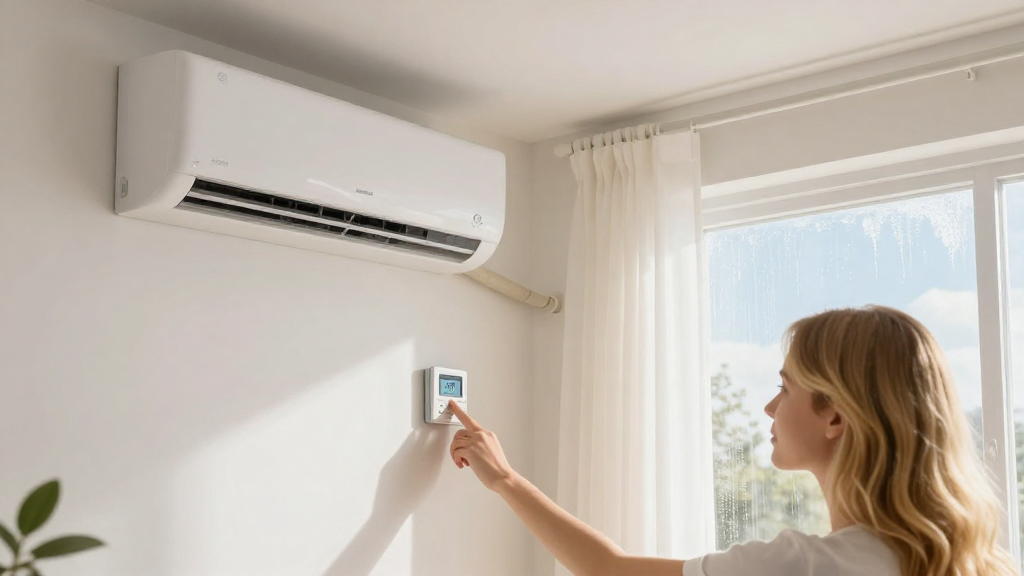
Air conditioning and condensation issues can be frustrating for homeowners.
Understanding the causes and solutions for condensation problems is essential to maintaining a comfortable indoor environment.
This article explores effective strategies for preventing condensation problems in your air conditioning system.
What Are Air Conditioning and Condensation Issues?
Air conditioning works by removing heat and humidity from the air to provide a cooler environment.
However, when the humidity levels are too high or the cooling system is not functioning correctly, it can lead to condensation.
This moisture buildup can create several problems, including:
- Mold growth: Excess moisture provides an ideal environment for mold and mildew.
- Water damage: Condensation can drip onto surfaces, leading to structural damage over time.
- Decreased efficiency: High humidity levels can cause your system to work harder than necessary, increasing energy bills.
Understanding these issues is the first step in preventing them.
How Can You Minimize Humidity Levels Indoors?
Controlling indoor humidity is crucial in preventing air conditioning and condensation issues. Here are some effective methods to manage humidity levels:
-
Use a Dehumidifier:
– A dehumidifier can help reduce moisture in the air, making it easier for your air conditioning system to cool effectively. -
Ventilate Properly:
– Ensure your home is equipped with proper ventilation systems.
– Opening windows and doors can promote airflow, especially during cooler evenings. -
Seal Drafts:
– Check for gaps and leaks around windows and doors.
– Use weather stripping or caulking to seal these areas to prevent humid air from entering your home. -
Dry Wet Items Promptly:
– Avoid leaving wet clothes or towels lying around.
– This practice will help maintain lower indoor humidity levels. -
Install Exhaust Fans:
– Use exhaust fans in kitchens and bathrooms to expel moisture generated from cooking and showering.
Is Your Air Conditioning System Properly Sized?
An undersized or oversized air conditioning unit can contribute to air conditioning and condensation issues.
Your air conditioner should match the size of your living space.
Here’s why correct sizing matters:
- Oversized Units:
-
Cool the air too quickly without removing adequate moisture.
-
Undersized Units:
- Strain to cool the space, causing them to run longer and leading to increased humidity.
To prevent these issues, it’s recommended to consult an HVAC professional for proper sizing and installation.
How Often Should You Maintain Your Air Conditioning System?
Regular maintenance is vital in preventing air conditioning and condensation issues.
A well-maintained air conditioning system operates more efficiently and effectively.
Here are some maintenance tips to consider:
- Change Filters Regularly:
-
Dirty filters can restrict airflow, leading to higher humidity levels. Change filters every 1-3 months based on usage.
-
Check the Condensate Drain Line:
- Ensure that the drain line is clear of blockages.
-
Clean it regularly to prevent water backup and condensation issues.
-
Inspect Coils:
-
Clean the evaporator and condenser coils annually to allow the air conditioner to function optimally.
-
Schedule Professional Inspections:
- Have your HVAC system inspected by a professional at least once a year to identify and resolve any potential issues.
What Role Does Insulation Play?
Proper insulation is essential for controlling indoor temperatures and humidity.
Here’s how insulation helps prevent air conditioning and condensation issues:
-
Keeps Temperatures Consistent:
– Insulation maintains a stable temperature in your home, reducing the chances of condensation forming. -
Prevents Moisture Infiltration:
– Well-insulated walls, attics, and crawl spaces can limit the entry of humid air into your living areas. -
Reduces Energy Costs:
– Improved insulation leads to less energy usage, minimizing the load on your air conditioning system.
To identify any insulation issues, consider conducting an energy audit of your home.
Why Is It Important to Monitor Indoor Humidity Levels?
Monitoring indoor humidity levels can help you take proactive steps to prevent air conditioning and condensation issues.
The ideal indoor humidity level is typically between 30% and 50%.
Use a hygrometer, a device that measures humidity, to keep track of your indoor levels.
If you find that your humidity levels are consistently above the recommended range, take action by:
- Increasing ventilation.
- Using a dehumidifier.
- Regularly maintaining your air conditioning system.
What Are Some Quick Solutions for Condensation?
If you experience unexpected condensation issues with your air conditioning, consider these quick fixes:
- Adjust Thermostat Settings:
-
Set your thermostat to a lower temperature to help reduce humidity levels.
-
Improve Air Circulation:
-
Use ceiling fans to enhance airflow, making the cooling process more efficient.
-
Close Blinds and Curtains:
-
Block out sunlight during peak heat hours to minimize additional heat and humidity.
-
Consider Professional Help:
- If problems persist, consult a professional HVAC technician for a more in-depth assessment.
Conclusion
Preventing air conditioning and condensation issues is essential for a comfortable and healthy home environment.
By properly managing indoor humidity levels, ensuring correct air conditioning sizing, and performing regular maintenance, you can reduce the risk of condensation problems.
Remember to keep your air conditioning system well-maintained, monitor humidity levels, and make any necessary adjustments to keep you cool and comfortable.
By following these guidelines, you can enjoy all the benefits of air conditioning without the nuisance of excessive condensation.