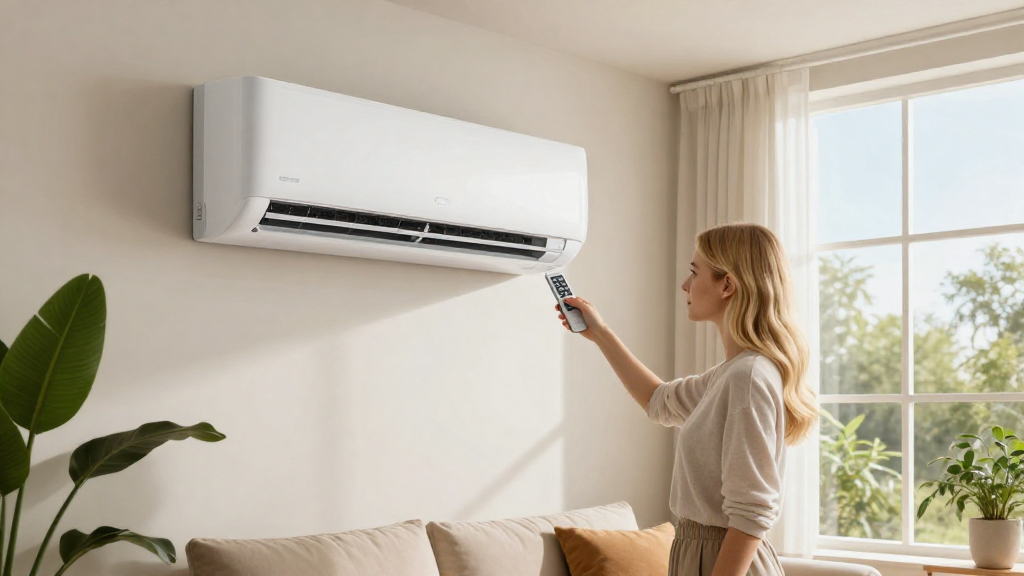
When it comes to air conditioning, understanding the different operational modes can significantly enhance your comfort and energy efficiency.
What Are Air Conditioning Operational Modes?
Air conditioning operational modes refer to the various settings that allow your air conditioning unit to function in different ways, depending on your needs.
By optimizing these modes, you can enjoy a cool indoor environment, reduce energy consumption, and ensure your unit runs efficiently.
Why Should You Understand Operational Modes in Air Conditioning?
-
Energy Efficiency: Understanding how to switch between modes can lower your energy bills.
-
Comfort: Different modes cater to specific weather conditions and personal preferences.
-
Longevity of the Unit: Using the right mode can reduce wear and tear on your air conditioning system.
What Are the Common Air Conditioning Operational Modes?
Familiarizing yourself with these air conditioning operational modes will help you choose the best one for your needs:
- Cooling Mode
This is the standard mode for air conditioners during hot weather.
- The system removes heat from the indoor air.
-
It circulates cool air, lowering the temperature of the room.
-
Heating Mode (Heat Pumps Only)
If you’re using a heat pump, this mode allows it to function as a heater.
- The unit reverses its operation to provide warmth.
-
Useful during cooler months, it can maintain a comfortable indoor environment.
-
Fan Mode
This mode circulates air without cooling or heating.
- Ideal for mild weather, it simply moves air around the space.
-
Can help in terms of air circulation and ventilation.
-
Auto Mode
The auto mode automatically switches between cooling and heating as required.
- It detects the current temperature and adjusts accordingly.
- This mode is convenient for maintaining a consistent indoor climate.
How to Properly Use Cooling Mode?
To maximize the benefits of cooling mode, follow these tips:
-
Set the Right Temperature: Aim for a comfortable temperature, typically around 75°F (24°C).
-
Close the Windows and Doors: Prevent cool air from escaping and keep the room well insulated.
-
Utilize Blinds or Curtains: This can reduce heat gain from sunlight.
-
Regular Maintenance: Ensure filters are clean and the unit is in good working order for optimal performance.
When Should You Use Heating Mode?
Using heating mode is essential during the colder months. Here are some pointers:
-
Temperature Settings: A setting of around 68°F (20°C) is usually comfortable while saving energy.
-
Check System Efficiency: Ensure your heat pump or furnace is functioning correctly and is suitable for your space.
-
Seal Drafts: Use weather stripping to avoid heat loss through doors and windows.
Why Choose Fan Mode?
Although fan mode doesn’t provide temperature control, it has its uses:
-
Air Circulation: This mode can improve air mixing, which ensures even temperature distribution.
-
Energy Savings: Running the fan without cooling can save energy on milder days.
-
Ventilation: It can help circulate fresh air from outside when conditions permit.
What Are the Benefits of Auto Mode?
Switching to auto mode has several benefits:
-
Convenience: The system intelligently adjusts between heating and cooling.
-
Consistent Comfort: It maintains set temperatures throughout varying weather conditions.
-
Energy Efficiency: It can help lower energy usage by only using the necessary mode for comfort.
How to Fine-Tune Your Air Conditioning Settings?
Fine-tuning your air conditioning operational modes can lead to enhanced comfort and efficiency.
-
Use Programmable Thermostats: These allow you to schedule temperature settings based on your routines.
-
Monitor Humidity Levels: Adjust modes based on humidity; lowering humidity can make higher temperatures feel cooler.
-
Regular System Checks: Scheduled maintenance ensures your system operates at peak efficiency, maximizing the benefits of different operational modes.
Can I Control Operational Modes Remotely?
Many modern air conditioning units come equipped with smart technology that allows remote control of operational modes.
This can be done through smartphone apps or smart home systems.
Tips for Maximizing Efficiency Across All Modes
Regardless of the operational mode you choose, consider these best practices to maximize efficiency:
-
Regular Maintenance: Ensure filters, coils, and ducts are clean.
-
Use Energy-Saving Settings: Opt for energy-efficient models that provide the same comfort without excessive energy use.
-
Insulation: Proper insulation of your home will improve overall efficiency by keeping your conditioned air inside.
-
Monitor Your Usage: Keeping track of your air conditioning operational modes can provide insights into when and how to use each mode most effectively.
Conclusion
Understanding air conditioning operational modes is essential for optimizing comfort and energy efficiency.
Each mode serves a unique purpose, making it important to choose the right one based on your current needs.
Incorporating the tips and practices mentioned in this article will help you better manage your air conditioning system.
By doing so, you’ll not only create a more pleasant indoor environment but also save on energy costs and prolong the lifespan of your air conditioning unit.
Make the most of your air conditioning operational modes, and enjoy the comfort that they bring!