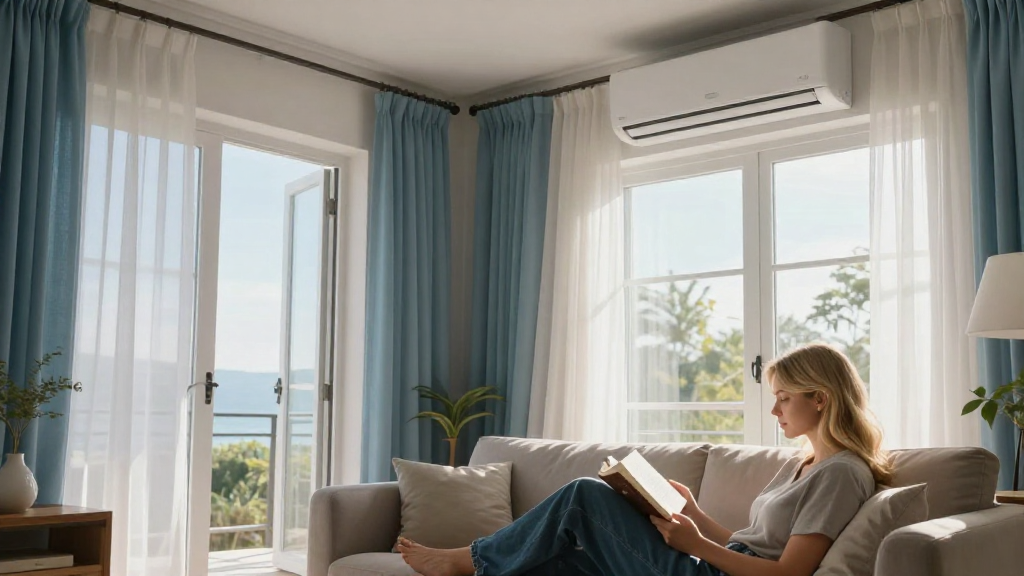
Finding the right balance between air conditioning and cross ventilation can significantly improve comfort and energy efficiency in your home.
In this guide, we will explore how to maximize these two methods of cooling and ventilation effectively. Let’s dive into the essential aspects of air conditioning and cross ventilation to help you create a more comfortable living environment.
What Is Air Conditioning and Cross Ventilation?
Air conditioning refers to the use of mechanical systems to cool and dehumidify indoor air.
- It involves equipment like HVAC systems, window units, and central air that regulate temperature and humidity levels.
- Air conditioning provides consistent temperature control, making it a popular choice for many households.
In contrast, cross ventilation utilizes natural airflow to cool spaces.
- This method relies on strategically placed windows, doors, and vents to promote airflow through a space.
- With cross ventilation, cooler outdoor air enters from one side of the house while warm air is expelled from the opposite side.
Understanding how to use both air conditioning and cross ventilation effectively can enhance your indoor climate while reducing energy costs.
Why Should You Combine Air Conditioning and Cross Ventilation?
Can air conditioning and cross ventilation work together?
Absolutely! Integrating both systems can lead to:
- Energy Efficiency: By allowing for natural airflow, you can reduce the reliance on air conditioning.
- Improved Air Quality: Cross ventilation can help reduce pollutants and bring in fresh outdoor air.
- Cost Savings: Using cross ventilation when temperatures allow can lower your energy bills significantly.
- Comfort Control: Combining systems gives you more control over your home’s temperature and humidity levels.
By understanding how these systems can work in tandem, you can create a more efficient and comfortable environment.
How to Implement Cross Ventilation?
What techniques enhance cross ventilation?
To optimize cross ventilation in your home, consider the following strategies:
-
Identify Wind Patterns:
– Observe the prevailing winds in your area.
– Choose openings that align with these directions for maximum airflow. -
Open Windows Wisely:
– Open windows on opposite sides of the room for a more pronounced air exchange.
– Remember to open higher windows to release warm air and lower windows to draw in cooler air. -
Use Window Fans:
– Install exhaust fans in windows to help draw hot air out.
– Place box or oscillating fans in windows to help push air inside. -
Create Air Flow Paths:
– Keep corridors and doors open to facilitate smoother air movement.
– Remove obstacles that obstruct airflow between rooms. -
Landscaping:
– Plant trees strategically to block direct sunlight and create shade.
– Utilize natural elements like shrubs and bushes to direct breezes.
By incorporating these techniques, you can significantly enhance cross ventilation, allowing you to enjoy fresh air and cooler temperatures naturally.
When Should You Rely on Air Conditioning?
Under what circumstances is air conditioning necessary?
In certain situations, air conditioning becomes essential:
-
High Humidity Levels:
– In environments with high humidity, air conditioning effectively removes moisture, making indoor air more comfortable. -
Extreme Heat:
– During heat waves or days when external temperatures soar, air conditioning becomes critical to maintain safe indoor temperatures. -
Allergies or Asthma:
– If members of your household suffer from allergies or respiratory conditions, air conditioning can help filter allergens from the air. -
Control Over Temperature:
– When precise temperature control is necessary, such as in bedrooms for better sleep quality, air conditioning provides that consistency.
Recognizing when to switch between air conditioning and cross ventilation can enhance your home’s comfort significantly.
How Can You Optimize Energy Use between Air Conditioning and Cross Ventilation?
Are there ways to balance energy use effectively?
Certainly! Here are some actionable tips to help balance your use of air conditioning and cross ventilation:
-
Set a Higher Temperature on the Thermostat:
– During warm days, consider setting your thermostat a few degrees higher while relying on cross ventilation.
– This reduces the load on your air conditioning unit and saves energy. -
Use Programmable or Smart Thermostats:
– Install thermostats that adjust temperatures based on your household schedules or humidity levels.
– This helps manage air conditioning usage when the house is unoccupied. -
Limit Air Conditioning Time:
– Plan when to use air conditioning by turning it on only during peak heat hours.
– Switch to cross ventilation during the cooler times of the day, such as mornings and evenings. -
Seal Gaps and Cracks:
– Ensure that your windows and doors are sealed properly to maintain indoor temperature.
– Regularly check for and repair any gaps that may allow cool air to escape during air conditioning use. -
Incorporate Passive Cooling Techniques:
– Use thermal mass, such as stone or concrete walls, that absorb heat during the day and release it at night.
– Close blinds and curtains during the day to prevent heat gain and open them in the evening to let in the cool air.
Conclusion: What Is the Best Approach?
What is the best strategy for combining air conditioning and cross ventilation?
The most effective approach combines smart air conditioning use with thoughtful cross ventilation strategies.
By evaluating your home’s layout, local climate, and individual comfort requirements, you can find an optimal balance that:
- Minimizes energy consumption.
- Enhances indoor air quality.
- Maximizes comfort.
Awareness of when to rely on cross ventilation or air conditioning will lead to a more enjoyable and sustainable living environment.
Take control of your indoor climate today! Start implementing these strategies for a balanced approach to air conditioning and cross ventilation, bringing both comfort and savings to your home.