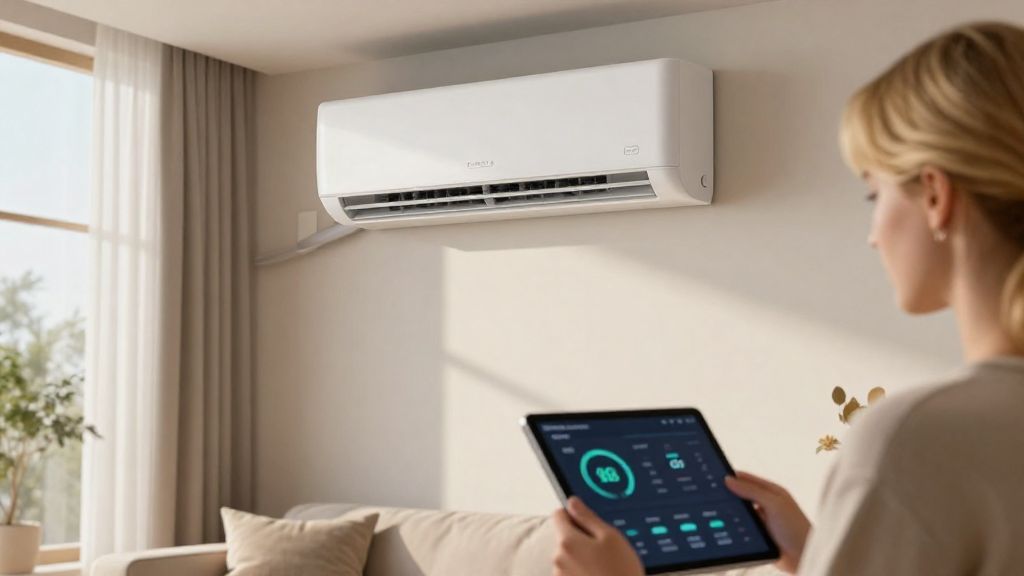
Air conditioning energy monitoring is essential for homeowners and businesses aiming to optimize their energy consumption and improve efficiency.
In this article, we’ll explore effective methods to monitor your air conditioning energy use, understand the benefits of monitoring, and highlight some tools that can help you make informed decisions about your cooling systems.
What is Air Conditioning Energy Monitoring?
Air conditioning energy monitoring refers to the process of tracking and analyzing the energy consumption of your air conditioning system.
This process involves:
- Recording energy usage over time
- Identifying patterns and trends
- Detecting inefficiencies in your system
By gaining insights into how much energy your air conditioning system uses, you can make better decisions that lead to cost savings, environmental benefits, and improved comfort.
Why is Monitoring Air Conditioning Energy Important?
Understanding your air conditioning energy use is crucial for several reasons:
-
Cost Savings
Monitoring helps you identify opportunities to reduce your energy bills, especially during peak usage times. -
Energy Efficiency
Tracking energy consumption allows you to identify inefficient systems or practices that may be wasting energy. -
Environmental Impact
Reducing energy consumption contributes to lowering your carbon footprint, promoting a sustainable environment. -
Maintenance Needs
Regular monitoring can reveal potential issues early on, reducing the need for expensive repairs. -
Informed Upgrades
Understanding energy use helps you make informed decisions when upgrading or replacing your air conditioning system.
How Can You Monitor Your Air Conditioning Energy Use?
What Tools Can Help with Air Conditioning Energy Monitoring?
There are several tools and technologies available to help you monitor your air conditioning energy use effectively:
-
Smart Thermostats
Smart thermostats allow you to track energy usage and program heating and cooling schedules based on your habits.
Popular options include:
– Nest
– Ecobee
– Honeywell Home -
Energy Monitors
These devices can be installed to track the energy consumption of your entire home or individual appliances.
Some well-known energy monitors are:
– Sense
– Currant
– Neurio -
HVAC Management Software
Businesses can use commercial HVAC management software for comprehensive monitoring. -
Utility Company Tools
Many utility companies provide online tools or apps where customers can track their energy usage.
How Do You Get Started with Air Conditioning Energy Monitoring?
To successfully monitor your air conditioning energy use, follow these steps:
-
Choose Monitoring Tools
Select one or more tools from the options discussed above. -
Install the Devices
Follow the manufacturer’s installation instructions carefully. -
Set Up Accounts
If using smart thermostats or energy monitors, set up your accounts and apps to begin tracking. -
Monitor Regularly
Check energy consumption regularly to understand trends and patterns. -
Analyze Data
Use the data collected to assess energy efficiency and identify areas for improvement. -
Make Adjustments
Use the insights gained to adjust settings, schedules, and maintenance practices. -
Consult Professionals
Consider contacting an HVAC professional if you notice irregularities or if you’re unsure about your air conditioning system’s efficiency.
What Are the Benefits of Implementing Air Conditioning Energy Monitoring?
Implementing an air conditioning energy monitoring system can yield numerous benefits:
-
Cost Reduction
By understanding how and when energy is being used, you can make adjustments that lead to significant savings on energy bills. -
Enhanced Comfort
Efficient air conditioning leads to improved indoor comfort, maintaining stable temperatures. -
Prolonged Equipment Life
By monitoring usage and maintenance needs, you can extend the life of your air conditioning system. -
Environmental Responsibility
Lower energy consumption directly correlates with reduced greenhouse gas emissions.
How Often Should You Monitor Air Conditioning Energy Use?
Frequency of monitoring can vary based on your specific situation:
-
Daily Monitoring
For commercial buildings or high usage situations, daily checks can help quickly identify inefficiencies. -
Weekly Monitoring
Weekly tracking is often suitable for homeowners, allowing enough data to identify trends without being overwhelming. -
Monthly Analysis
Monthly deep dives into your energy data can help you to evaluate your cooling needs and adjust your habits or systems accordingly.
What Common Issues Can Air Conditioning Energy Monitoring Identify?
Monitoring your air conditioning energy use can help you identify various common issues:
-
Incorrect Thermostat Settings
A poorly set thermostat can lead to unnecessary energy consumption. -
Dirty Filters
Clogged filters can restrict airflow, causing your system to work harder and use more energy. -
Leaking Ducts
Duct leaks can significantly increase energy use by causing cooled air to escape. -
Aging Equipment
Older systems often operate less efficiently. Monitoring can help you know when it’s time to upgrade. -
Behavioral Adjustments
Analyzing patterns can reveal habits that lead to excessive energy use, such as leaving the AC running all day.
Conclusion: Why You Should Start Air Conditioning Energy Monitoring Today
Air conditioning energy monitoring is an essential practice for anyone looking to optimize their energy usage, reduce costs, and minimize their ecological footprint.
With a variety of tools and methods available, monitoring your air conditioning system’s energy use has never been easier.
Begin today by selecting the appropriate monitoring device for your needs, and you could see immediate benefits in both comfort and savings.
Understanding your energy usage doesn’t just save you money; it can also protect the environment and increase the longevity of your air conditioning system.
By embracing air conditioning energy monitoring, you are making a proactive choice toward a comfortable and sustainable future.