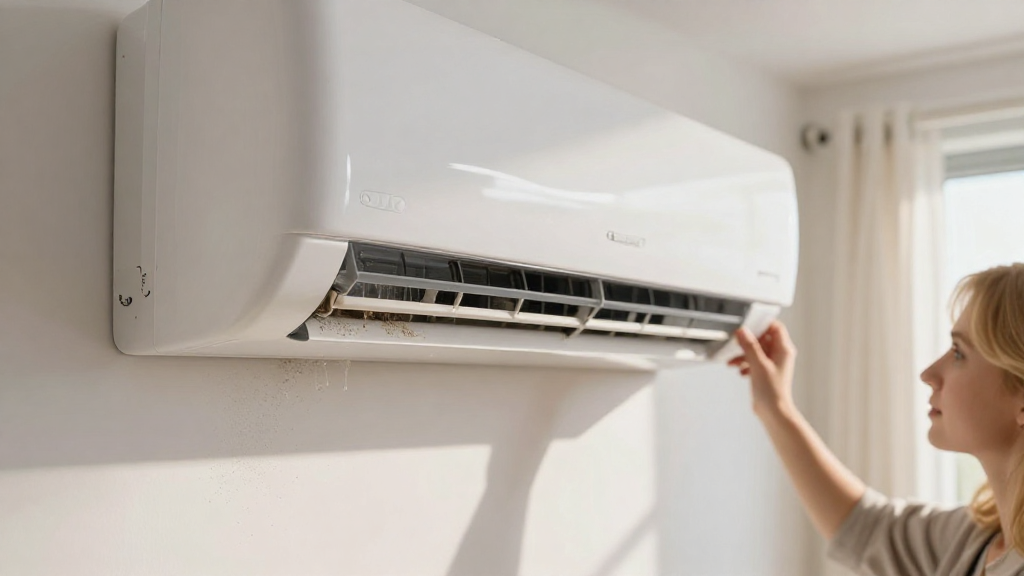
Are you struggling with inefficient cooling in your home? Understanding air conditioning air leakage signs can save you money on energy bills and improve your comfort. In this article, we will explore how to identify and fix air leaks in your air conditioning system effectively.
What Are the Common Air Conditioning Air Leakage Signs?
Air leakage is a common issue that can lead to decreased efficiency of your air conditioning system. Here are several key signs to watch out for:
-
Inconsistent Temperature: If certain areas in your home feel warmer than others, it could be a sign of air leakage.
-
High Energy Bills: A sudden increase in energy costs without a change in usage might indicate that your AC is working overtime due to air leaks.
-
Unusual Noises: Listen for any strange sounds, such as whistling or hissing; this can mean air is escaping from your ductwork.
-
Dust Accumulation: Increased dust around vents or on surfaces may point to unsealed ducts allowing outside air to enter.
-
Humidity Issues: If your indoor air feels muggy, it could be due to outside air compromising your AC’s effectiveness.
Where Can Air Conditioning Air Leakage Occur?
Identifying possible leak sites is crucial for addressing air conditioning air leakage signs. These areas are commonly affected:
-
Ductwork: Check for loose fittings or gaps in duct joints leading to air loss.
-
Vents: Ensure that your vents are properly sealed and not obstructed by furniture or debris.
-
Windows and Doors: Poor sealing around windows and doors can lead to significant air leakage.
-
Insulation: Inspect any poorly insulated areas of your attic or crawl spaces.
How Can You Detect Air Leakage?
You can take several simple steps to diagnose whether air leakage is affecting your air conditioning system:
1. Visual Inspection
Start with a thorough visual inspection of:
- Ducts: Look for any visible disconnects or gaps, particularly at joints.
- Insulation: Check that insulation is intact without visible signs of wear.
- Seals: Look around the edges of windows and doors for cracks or worn-out weather stripping.
2. Smoke Test
Perform a smoke test to identify air leaks:
- Use a smoke pen or incense stick near vents and duct joints.
- Observe if the smoke is being drawn in one direction, indicating a leak.
3. Blower Door Test
Hire a professional for a blower door test to detect leaks:
- This involves pressurizing your home and identifying areas of air loss using specialized equipment.
How to Fix Air Conditioning Air Leakage Signs?
Once you’ve identified the air leaks, it’s time to take action. Here are effective steps to fix air leakage:
1. Seal Ducts
Use appropriate materials to seal your ductwork:
-
Mastic Sealant: A thick substance ideal for sealing larger gaps.
-
Foil Tape: Use this tape for quick fixes on smaller holes (ensure it’s UL181-rated).
-
Duct Insulation: Wrap insulation around ducts to prevent thermal loss.
2. Seal Windows and Doors
Improving the sealing around your windows and doors can make a significant difference:
-
Weather Stripping: Apply new weather stripping along the edges of doors and windows.
-
Caulk: Use caulk to fill small gaps and cracks around frames.
-
Storm Windows: Consider installing storm windows to create an additional barrier.
3. Insulate Attics and Crawl Spaces
Enhancing insulation in your home is key to boosting efficiency:
-
Foam Board: Use foam board insulation to seal drafts in attics or crawl spaces.
-
Fiberglass Batts: Insulating walls, floors, and ceilings with fiberglass batts can reduce air leakage effectively.
4. Regular Maintenance
Ensure you maintain your air conditioning system to prevent future air leaks:
-
Clean Filters: Regularly replace or clean air filters for optimal airflow.
-
Inspect Ducts: Schedule periodic duct inspections to catch issues before they worsen.
-
Professional Servicing: Consider professional servicing of your air conditioning system every few years.
Should You Consider Professional Help?
If DIY methods aren’t yielding results or if you’re uncomfortable assessing air leakage, hiring a professional may be the best route. They can provide:
- Expert Diagnosis: Identify leaks that may be difficult for a layperson to detect.
- Comprehensive Solutions: Offer long-term solutions tailored to your specific situation.
- Energy Audits: Conduct energy audits to ensure your entire system is operating efficiently.
Why Is Addressing Air Conditioning Air Leakage Important?
Addressing air conditioning air leakage signs not only improves your comfort but also leads to:
-
Lower Energy Bills: Your HVAC system won’t have to work as hard, leading to decreased energy costs.
-
Increased System Lifespan: Reduced stress on the system helps prolong the life of your air conditioning unit.
-
Better Indoor Air Quality: Sealing leaks can significantly reduce the amount of airborne pollutants entering your home.
-
Enhanced Comfort: A more efficiently working AC delivers consistent temperature and humidity levels.
Conclusion
Being aware of air conditioning air leakage signs is essential for maintaining a comfortable and energy-efficient home.
From visual inspections to professional help, various methods can effectively detect and seal air leaks in your HVAC system.
Taking the time to address these leaks can lead to substantial cost savings and a better living environment.
Keep your home cool and energy-efficient by tackling air conditioning air leakage signs today!