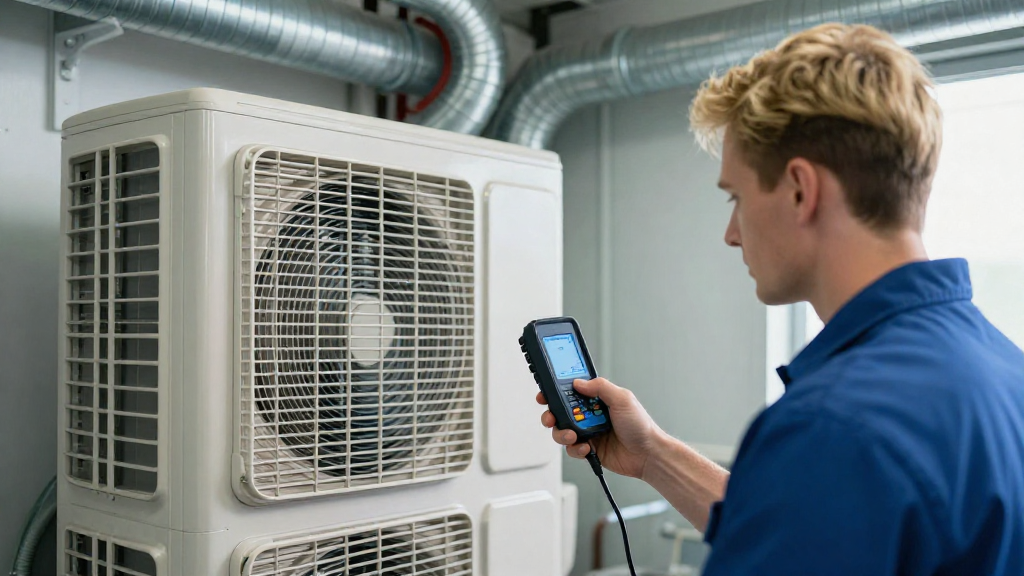
Air conditioning airflow testing is a crucial procedure for ensuring effective heating, ventilation, and air conditioning (HVAC) system performance.
In this article, we will guide you through the steps of conducting airflow testing in air conditioning systems.
What is Airflow Testing in Air Conditioning Systems?
Airflow testing is the process of evaluating the volume of air that flows through the HVAC system’s ductwork and vents.
This testing helps determine if the air conditioning unit is efficiently delivering the right amount of airflow to maintain comfortable indoor temperatures.
Why is Airflow Testing Important?
Conducting air conditioning airflow testing is vital for several reasons:
- Energy Efficiency: Proper airflow can significantly reduce energy consumption, lowering your utility bills.
- Comfort: Correct airflow helps achieve uniform temperatures throughout spaces, enhancing comfort levels.
- Equipment Longevity: Regular testing can identify issues early, extending the life of the air conditioning system.
- Indoor Air Quality: Adequate airflow reduces the chance of stagnant air, promoting healthier living environments.
How to Perform Air Conditioning Airflow Testing?
Conducting air conditioning airflow testing requires specific tools and a systematic approach.
Here are the essential steps you need to follow:
1. Gather Necessary Tools
Before beginning the testing, ensure you have the following tools:
- Anemometer: A device that measures airflow velocity in ducts and vents.
- Manometer: For measuring static and total pressure in the ductwork.
- Duct Calculator: Helps to determine airflow rates based on duct dimensions.
- Thermometer: Useful for measuring temperature differences in the system.
2. Prepare for the Tests
Before jumping into testing, follow these preparatory steps:
- Inspect the Ductwork: Ensure there are no visible leaks, blockages, or damages in the duct system.
- Check Air Filter: A clean air filter improves airflow and overall system performance.
- Calibrate Equipment: Make sure your measuring devices are calibrated according to the manufacturer’s instructions.
3. Measure Airflow at the Supply Vents
Let’s focus on the supply vents, where conditioned air is delivered into the space.
-
Step 1: Use the anemometer to measure the airflow at each supply vent.
-
Step 2: Hold the anemometer’s probe directly in front of the vent.
-
Step 3: Record the airflow measurements in cubic feet per minute (CFM).
-
Step 4: Repeat this process for all supply vents in the system.
4. Assess Airflow at Return Vents
Now, assess the return vents—where air is pulled back into the HVAC system.
-
Step 1: Use the same method with the anemometer to measure airflow.
-
Step 2: Hold the probe in front of the return vent and record the CFM values.
-
Step 3: Check if the airflow at the return vents is balanced in proportion to supply vents.
5. Check Duct Static Pressure
Static pressure is a key indicator of how well the air is moving through the ductwork.
-
Step 1: Using the manometer, measure the static pressure at the supply and return ducts.
-
Step 2: A significant difference in static pressure can indicate issues such as duct restrictions, leaks, or wrongly sized ducts.
6. Calculate Total Airflow of the System
You can assess the overall performance of your air conditioning system by calculating the total airflow.
-
Step 1: Add up all the CFM measurements from supply vents.
-
Step 2: Compare this total to the system’s specifications to see if it is operating within acceptable limits.
7. Analyze Temperature Differences
Don’t forget to analyze temperature differences to ensure the system is effectively cooling or heating the air.
-
Step 1: Measure the temperature of the air exiting the supply vents.
-
Step 2: Measure the temperature of the air entering the return vents.
-
Step 3: Calculate the temperature difference (ΔT). A typical ΔT for cooling is between 14 to 20 degrees Fahrenheit.
8. Document Your Findings
Make sure to document all your findings in a report for reference and future analyses.
- Include:
- Specific airflow measurements at all vents.
- Static pressure readings.
- Temperature differences.
- General observation notes on duct conditions.
When Should Air Conditioning Airflow Testing Be Performed?
To maintain optimal performance of your air conditioning system, regular airflow testing is recommended.
Key Times to Consider Testing:
- During New Installations: Perform testing to ensure the system meets design specifications.
- Seasonal Maintenance: Test airflow before the start of cooling or heating seasons.
- After Repairs: Perform testing following any significant repairs or modifications to the system.
- Mysterious Temperature Variations: If you notice uneven temperatures, it’s time for airflow testing.
Signs You Need Airflow Testing
Several indicators suggest an immediate need for air conditioning airflow testing.
- Inconsistent Temperatures: Rooms that are too hot or too cold may indicate poor airflow.
- Increased Energy Bills: Unexpected spikes in energy costs may be due to ineffective airflow.
- Unusual Noises: Sounds such as whistling or banging in the ducts may signal airflow restrictions.
- Frequent System Breakdowns: HVAC units that require constant repairs may be struggling due to inadequate airflow.
Conclusion
Air conditioning airflow testing is vital in maintaining an efficient, comfortable, and long-lasting HVAC system.
Following the outlined steps allows you to identify airflow issues, make necessary adjustments, and ensure that your air conditioning system operates at peak performance.
Don’t overlook the importance of proper airflow in your air conditioning systems. It can save you money, improve comfort, and enhance the overall indoor air quality. Make airflow testing a part of your regular maintenance routine.
By doing so, you are investing in the longevity and efficiency of your HVAC system!