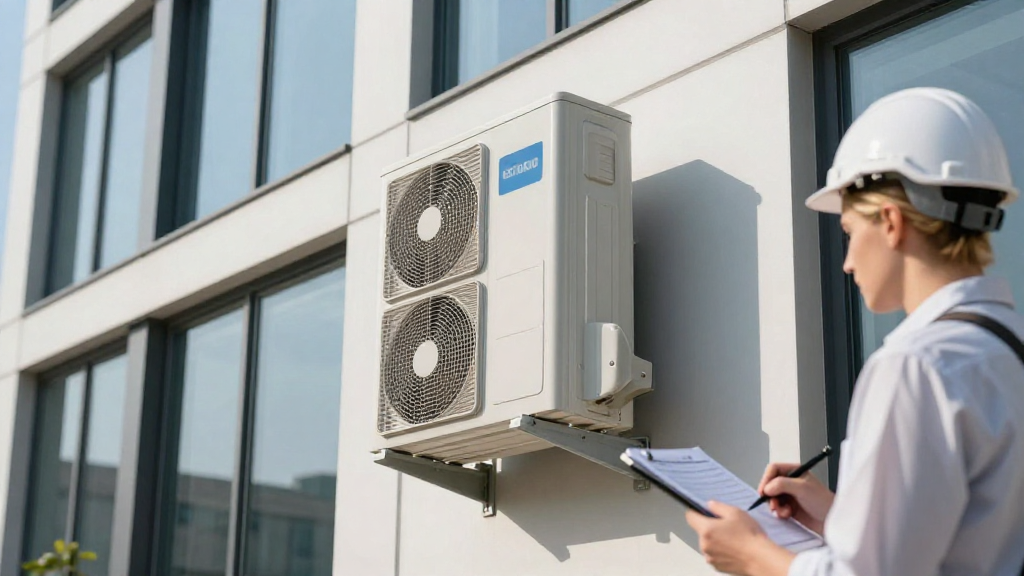
Navigating air conditioning and building codes is essential for ensuring compliance and the proper installation of HVAC systems in any building project.
What Are Air Conditioning and Building Codes?
Air conditioning and building codes are a collection of regulations set forth by local, state, and national authorities.
They ensure that HVAC systems are safe, efficient, and environmentally friendly.
Key components of these codes include:
- Safety Standards: Protecting inhabitants from mechanical failure or hazards.
- Energy Efficiency: Encouraging the use of energy-efficient systems to reduce consumption.
- Environmental Impact: Addressing emissions and refrigerants used in air conditioning.
- Occupant Comfort: Ensuring that systems provide adequate cooling and heating to maintain a comfortable living environment.
Understanding and adhering to these building codes is crucial for contractors, building owners, and developers.
How Can You Identify the Relevant Building Codes for Air Conditioning?
-
Local Building Authority:
Visit your local building authority’s website.
They often have PDFs or detailed documents outlining the specific codes applicable to your region. -
State Regulations:
Check if your state has its own set of codes or amendments to the national standards.
Some states adopt the International Building Code (IBC) or the International Mechanical Code (IMC) with local modifications. -
National Standards:
Familiarize yourself with national standards provided by organizations such as:
– American Society of Heating, Refrigerating and Air-Conditioning Engineers (ASHRAE)
– National Fire Protection Association (NFPA)
These organizations provide guidelines that can help clarify the requirements for air conditioning systems.
What Are the Common Code Requirements for Air Conditioning Systems?
When installing air conditioning systems, various building code requirements must be met.
Here are some common areas to consider:
1. Installation Safety
- Proper Wiring: Ensure that electrical connections meet code standards to prevent hazards.
- Secure Ducts: Ductwork must be installed securely to avoid air leaks and hazards.
2. Ventilation Needs
- Air Quality Standards: Maintaining indoor air quality by ensuring adequate ventilation.
- Fresh Air Intake: Systems may need to incorporate a method for fresh air intake from outside.
3. Energy Efficiency
- SEER Ratings: Systems should meet minimum Seasonal Energy Efficiency Ratio (SEER) requirements.
- Duct Insulation: Insulating ducts to prevent energy loss meets energy code requirements.
4. Refrigerant Use
- Environmental Compliance: Following the regulations set by the Environmental Protection Agency (EPA) concerning refrigerants.
- Leak Prevention: Installing leak detection systems can be necessary in certain applications.
How Do You Plan an Air Conditioning System to Meet Building Codes?
Successful planning can save time and money while ensuring that your installation meets all necessary building codes.
1. Conduct a Load Calculation
- Determine the heating and cooling load using Manual J calculations.
- This helps specify the correct size of the air conditioning system needed.
2. Choose the Right Type of System
- Consider various types, such as central, ductless, or window units.
- Each type may have different code requirements, especially in terms of installation methods and ductwork.
3. Work with Professionals
- Hire HVAC professionals who are familiar with local air conditioning and building codes.
- An experienced contractor can navigate complexities better and ensure compliance at every step.
4. Select Approved Equipment
- Ensure that all air conditioning equipment meets local and national standards.
- Check for certification labels, such as Energy Star, to ensure compliance and efficiency.
How Do You Ensure Compliance During Installation?
To ensure compliance during an air conditioning system installation, consider the following steps:
1. Obtain the Necessary Permits
- Before installation begins, ensure all permits are obtained to avoid fines or retrofits later.
2. Document the Installation
- Keep detailed records of your installation process and materials used.
- This documentation can be helpful for inspections and future assessments.
3. Schedule Inspections
- Coordinate with local building officials to schedule required inspections as work progresses.
- This will help ensure that any issues are caught early.
4. Follow Best Practices
- Adhere to recommended best practices for installation procedures, which can often be found in manufacturer guidelines and building codes.
- Maintain clear communication with all team members involved.
What Happens if You Don’t Meet Building Code Requirements?
Failure to comply with air conditioning and building codes can result in significant consequences, including:
- Fines and Penalties: Local authorities may impose fines that can escalate quickly.
- Increased Liability: Non-compliance can lead to injuries, resulting in liability claims against the contractor or building owner.
- System Failures: Poor installation can result in system inefficiencies and failure.
- Uninhabitable Spaces: In severe cases, the building may be deemed uninhabitable until codes are met.
Conclusion: Ensuring Compliance with Air Conditioning and Building Codes
Complying with air conditioning and building codes is crucial for ensuring safety, efficiency, and occupant comfort.
By understanding your local regulations, planning appropriately, and working with certified professionals, you can install air conditioning systems that meet or exceed code requirements.
To recap:
- Identify relevant building codes through various resources.
- Pay attention to common code requirements such as safety, energy efficiency, and refrigerant use.
- Plan and execute your installation with compliance in mind to avoid penalties and ensure a successful project.
Following these guidelines will help you meet air conditioning and building codes effectively while providing a comfortable environment for all building occupants.