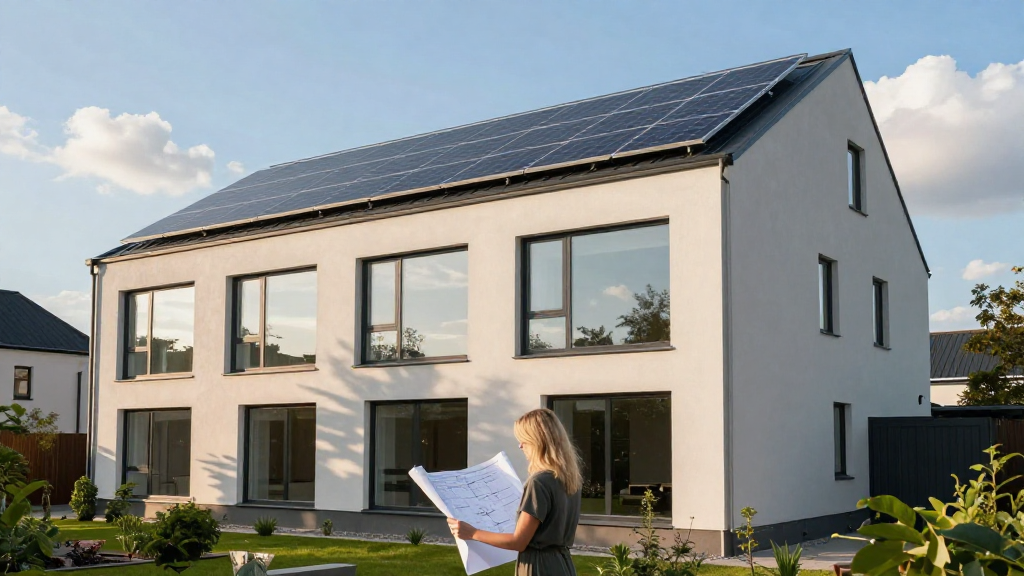
Understanding the impact of air conditioning and building orientation can significantly enhance energy efficiency in your home or office.
What Is Building Orientation?
Building orientation refers to how a structure is positioned in relation to the sun’s path and prevailing winds. The way a building is oriented can have a profound impact on its energy efficiency, particularly when it comes to air conditioning.
Why Does Orientation Matter for Air Conditioning?
Air conditioning and building orientation are interconnected in several critical ways:
- Sun Exposure: Buildings facing directly south or west may experience more heat gain during the day, increasing the need for air conditioning.
- Wind Flow: Proper orientation can maximize natural ventilation, reducing reliance on mechanical cooling.
- Shade and Reflection: The placement of trees and other structures can provide natural shade, lowering indoor temperatures.
Understanding these factors can help you optimize your building design for better climate control.
How Can I Position My Home for Optimal Air Conditioning?
-
Identify Solar Path:
– Track the sun’s path throughout the year.
– Note how it affects your building at different times. -
Maximize Natural Cooling:
– Position windows to capture prevailing breezes.
– Use cross-ventilation to greatly reduce reliance on artificial cooling. -
Consider Roof Overhangs:
– Properly sized overhangs can block out the sun during summer while allowing sunlight to penetrate during winter, thus enhancing thermal performance.
What Are the Best Design Strategies for Air Conditioning Efficiency?
To boost the efficiency of your air conditioning system through building orientation, consider the following strategies:
- Use Thermal Mass:
-
Materials like concrete or stone can absorb heat during the day and release it at night, maintaining a comfortable indoor climate.
-
Select the Right Windows:
- Use energy-efficient windows with low-E coatings to reduce heat gain.
-
Orient larger windows toward cooler, shaded areas.
-
Add Vegetation Strategically:
- Plant trees to create a windbreak and provide shade.
- Green roofs can also improve insulation and reduce roof temperatures.
How Do External Factors Influence Building Orientation?
External factors play a crucial role in how you approach air conditioning and building orientation:
- Local Climate:
- Hot, arid climates benefit from orientation that minimizes sun exposure.
-
Humid climates may require designs that encourage airflow.
-
Surrounding Structures:
- Nearby buildings can obstruct or enhance airflow and light, affecting your building’s cooling needs.
- Evaluate how neighboring properties can impact temperature and wind flow.
Why Is Professional Input Valuable?
Engaging professionals such as architects or energy consultants can provide insights tailored to your specific location and needs:
- They can conduct energy audits to assess your current setup.
- Experts can help design a layout that maximizes air conditioning efficiency with proper building orientation considering local climate variables.
Choosing to engage a professional can be a worthwhile investment in the long run as they can effectively help you decrease air conditioning costs and improve indoor comfort.
What Role Does Passive Solar Design Play?
Passive solar design leverages building orientation to harness sunlight effectively without mechanical assistance:
- Arrange spaces so that living areas can benefit from maximum sunlight exposure during winter.
- Keep utility spaces, like storage areas, away from direct sunlight to minimize heat gain.
Using passive solar design principles can drastically reduce the need for mechanical cooling and provide an energy-efficient solution.
How Can Smart Tech Integrate with Building Orientation?
Using smart technology can further optimize the benefits of air conditioning and building orientation:
- Smart Thermostats: These can adjust temperature settings based on the time of day and occupancy, providing a more efficient cooling strategy.
- Automated Shading Systems: Install motors that can open or close shades based on the sun’s position, helping regulate heat gain.
Final Thoughts: Is Building Orientation Worth It?
The impact of building orientation on air conditioning efficiency is undeniable. With thoughtful planning and proper strategies, you can significantly reduce energy consumption while increasing comfort.
Remember:
- Optimal orientation can significantly impact cooling needs.
- Make use of natural ventilation and shading.
- Don’t hesitate to consult professionals to achieve the best results.
By implementing these strategies, you’ll not only enhance the sustainability of your building but also create a comfortable indoor environment, ultimately leading to reduced energy costs and increased satisfaction.
The careful consideration of air conditioning and building orientation is vital for a more energy-efficient future. Whether you’re constructing a new building or renovating an existing one, every choice you make in regards to orientation can pay off in terms of comfort, energy savings, and environmental impact.