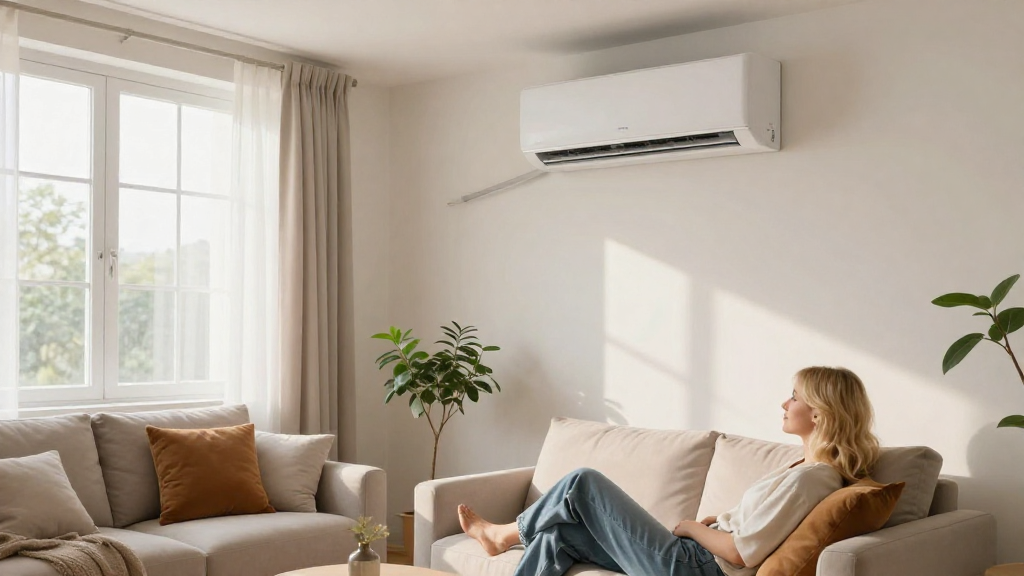
Creating the perfect indoor environment is essential for comfort and well-being.
Understanding air conditioning and comfort zones is key to achieving this ideal atmosphere.
Why Are Comfort Zones Important with Air Conditioning?
Comfort zones refer to the range of temperatures and humidity levels that individuals find pleasing.
When it comes to air conditioning and comfort zones:
- Temperature: The ideal range typically falls between 68°F and 72°F (20°C to 22°C).
- Humidity: A relative humidity of 30% to 50% is generally recommended for comfort.
Creating tailored comfort zones with air conditioning systems can ensure that everyone in your home or office stays comfortable.
How Can You Effectively Create Comfort Zones?
Creating multiple comfort zones within a single space can enhance the overall atmosphere, especially in larger homes or buildings. Here’s how:
1. Use Zoning Systems
Consider investing in zoned air conditioning systems that allow you to control the temperature in different areas independently.
- Benefits of Zoning:
- Energy efficiency: Save on energy bills by only cooling areas in use.
- Personalized comfort: Different family members can enjoy their preferred temperatures.
2. Smart Thermostats and Air Conditioning
Integrating smart technology can revolutionize how you set up comfort zones with air conditioning.
- Features to Look For:
- Remote control: Adjust settings from your smartphone.
- Learning capabilities: Some thermostats can learn your preferences and adjust automatically.
3. Regular Maintenance is Key
Keep your air conditioning unit in optimal condition for effective comfort zones.
- Maintenance Tips:
- Change filters every 1 to 3 months.
- Schedule professional servicing at least once a year.
4. Consider the Room’s Purpose
Different rooms may require different comfort settings based on their use.
- Examples:
- Living Areas: A warmer setting for cozy family gatherings.
- Bedrooms: Cooler temperatures for a restful night’s sleep.
What Are the Best Air Conditioning Settings for Comfort Zones?
Knowing the ideal settings can help you optimize air conditioning and comfort zones.
1. Daytime Settings
During the day, you might want to maintain temperatures that are slightly warmer.
- Recommended Temperature: 75°F to 80°F (24°C to 27°C).
- Reason: Less energy consumption while still being comfortable when active.
2. Nighttime Settings
When it’s time to wind down, lowering the temperature can promote better sleep.
- Recommended Temperature: 68°F to 72°F (20°C to 22°C).
- Reason: Cooler temperatures help regulate body temperature during sleep.
3. Seasonal Adjustments
Make seasonal changes to your air conditioning settings for improved comfort.
- Spring & Summer: More frequent use of cooling settings.
- Fall & Winter: Consider switching to a heating mode if your air conditioning system provides that functionality.
How Can You Enhance Air Quality Along with Comfort Zones?
Air quality plays a crucial role in overall comfort, making it essential to combine air conditioning with effective air quality measures.
1. Use Air Purifiers
Integrating air purifiers can significantly improve indoor air quality, enhancing comfort.
- Benefits:
- Remove pollutants.
- Help reduce allergens.
2. Ventilation Systems
Ensure your air conditioning system has proper ventilation to maintain fresh air circulation.
- How to Achieve This:
- Open windows occasionally for natural airflow.
- Utilize exhaust fans in kitchens and bathrooms.
3. Monitor Humidity Levels
A dehumidifier can complement your air conditioning system, especially in humid climates.
- Why It Matters:
- Control excessive moisture can prevent mold growth and improve comfort.
What Are the Top Air Conditioning Options for Comfort Zones?
Choosing the right air conditioning system is crucial for establishing effective comfort zones.
1. Central Air Conditioning
This is suitable for larger homes and allows for a more uniform temperature throughout the space.
- Advantages:
- Even cooling.
- Integrated with your home’s heating system.
2. Ductless Mini-Split Systems
Ideal for homes without ductwork, these systems can create personalized comfort zones.
- Features:
- Flexible installation.
- Independent control of multiple units.
3. Window Units
Cost-effective for smaller spaces, window units can effectively cool specific rooms.
- Pros:
- Affordable.
- Easy to install and remove.
4. Portable Air Conditioners
These versatile units can be moved from room to room, providing flexibility in cooling.
- Benefits:
- Great for temporary solutions.
- Ideal for apartments and small spaces.
How Can You Achieve Energy Efficiency While Maintaining Comfort Zones?
An efficient air conditioning system is essential for maintaining comfort zones without skyrocketing energy bills.
1. Energy Star Rated Systems
Look for Energy Star-rated units which are designed for energy efficiency.
2. Regular Maintenance
Performing routine checks and maintenance can help your air conditioning system run more efficiently.
3. Adjusting Settings According to Usage
As mentioned earlier, personalizing your air conditioning settings based on daily routines can significantly reduce energy usage.
Conclusion: Elevating Your Space with Air Conditioning and Comfort Zones
Establishing effective comfort zones with air conditioning involves several factors, including:
- Choosing the right system.
- Regular maintenance.
- Setting appropriate temperatures.
By considering these tips and techniques, you can ensure that your home or office remains a comfortable haven regardless of the weather outside.
Start today by assessing your current air conditioning setup.
With the right approach, you can effortlessly create comfort zones that suit your lifestyle and preferences. Remember, your comfort matters, and a well-optimized air conditioning system is a crucial part of that equation.