Are you wondering how air conditioning and dehumidification can work together to enhance your indoor comfort?
Understanding the interplay between these two systems can significantly elevate your living environment.
How Does Air Conditioning Help with Dehumidification?
Air conditioning systems are fundamentally designed to cool the air within a space. However, a less commonly known function is their ability to also aid in dehumidification.
Here’s how it works:
- Cooling and Condensation: When warm, humid air enters an air conditioning unit, it is cooled down. The cooling process reduces the air’s ability to hold moisture, leading to condensation.
- Removal of Moisture: The condensed water is then collected and removed from the system, effectively lowering the humidity level in your home.
- Enhanced Comfort: Lower humidity levels can make a space feel cooler and more comfortable, even if the temperature setting on the air conditioning unit is not drastically low.
By understanding these mechanisms, you can use your air conditioning unit more effectively for dehumidification.
Can All Air Conditioners Provide Dehumidification?
Not all air conditioning systems are created equal when it comes to dehumidification. Let’s explore the different types of systems available.
-
Central Air Conditioning:
– This system can dehumidify effectively by cooling large areas.
– It’s the best option for whole-house cooling, providing consistent humidity control. -
Window Air Conditioners:
– Smaller and more affordable, these units can still help with dehumidification.
– Make sure your model is designed to run continuously for optimal moisture removal. -
Portable Air Conditioners:
– Flexible and easy to move, these units can be used in specific rooms.
– They are often less efficient in dehumidification than central units but still provide some benefits. -
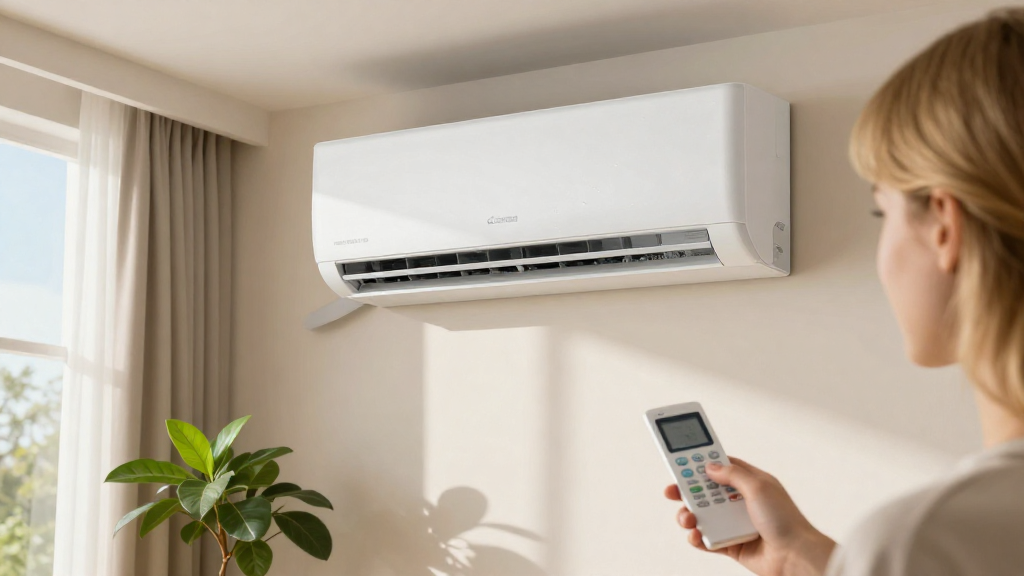
Ductless Mini-Split Systems:
– Ideal for homes without ductwork, these systems are efficient for both cooling and dehumidification.
– They allow for targeted humidity control in individual rooms.
In general, central air conditioning systems offer the most effective method for air conditioning and dehumidification, while portable units provide flexibility and are great for smaller spaces.
How Can You Optimize Your Air Conditioning for Dehumidification?
Here are some simple steps to optimize your air conditioning unit for effective dehumidification.
-
Maintain Your Air Conditioning Unit:
– Change filters regularly to ensure good airflow.
– Clean the coils and the condensate drain to prevent clogs and enhance efficiency. -
Adjust the Thermostat:
– Set your thermostat to a lower temperature, as this will help facilitate condensation.
– If it’s too cold, indoor air could dry out excessively and affect comfort levels. -
Utilize the Fan Setting:
– Use the fan-only mode when outdoor humidity levels are low; this helps circulate air without further cooling the space.
– Air circulation enhances dehumidification. -
Keep Windows and Doors Closed:
– Limiting outside air entry helps maintain indoor humidity levels.
– Seal windows and cracks to prevent air exchange. -
Consider a Dehumidistat:
– Install a dehumidistat that automatically regulates the humidity level, ensuring optimal indoor comfort.
– This device works well with your air conditioning system for effective dehumidification. -
Use Additional Dehumidifiers:
– In extremely humid areas, a portable dehumidifier can supplement your air conditioning system.
– This auxiliary support can help manage humidity in high-moisture areas.
By implementing these strategies, you can ensure that your air conditioning unit is not just cooling down the air but also effectively handling dehumidification.
When is it Time to Seek Professional Help?
Even with the best features and maintenance, sometimes air conditioning and dehumidification require professional assistance. Here are some signs it’s time to call in the experts:
- Inconsistent Cooling: If certain rooms feel more humid than others, it may indicate an issue with airflow or ductwork that needs addressing.
- Excessive Moisture: If you notice condensation on windows or walls, or a musty odor, your unit may not be functioning properly.
- High Energy Bills: A sudden spike in your energy bill can indicate that your air conditioning system is working harder than it should, possibly due to humidity issues.
- Unusually Noisy Operation: Strange noises can indicate mechanical issues within the unit.
- Regular Maintenance Needs: If your unit needs frequent repairs or maintenance, consider professional services to avoid further breakdowns.
Professional HVAC technicians can effectively analyze the situation and provide solutions tailored to your specific needs.
What Are the Benefits of Combining Air Conditioning and Dehumidification?
The combination of air conditioning and dehumidification offers several advantages:
- Enhanced Comfort: Maintaining a comfortable humidity level helps you feel cooler in warmer months.
- Health Benefits: Lower humidity can reduce allergens and mold growth.
- Energy Efficiency: Optimizing your air conditioning system for dehumidification can lead to lower energy costs.
- Protect Home Interiors: Excess moisture can damage walls, furniture, and appliances. Effective dehumidification helps protect these investments.
In summary, understanding how to utilize air conditioning for dehumidification can lead to improved comfort, health, and energy efficiency in your home.
Make the most of your air conditioning unit by following these guidelines, and enjoy a balanced environment all year round.
When properly maintained and utilized, the systems of air conditioning and dehumidification can work harmoniously for your indoor living conditions. Taking these steps helps create a healthy, comfortable atmosphere, whether it’s summer or rainy season.
By focusing on optimizing this synergy, your home can be both cool and dry – an ideal combination for any homeowner.