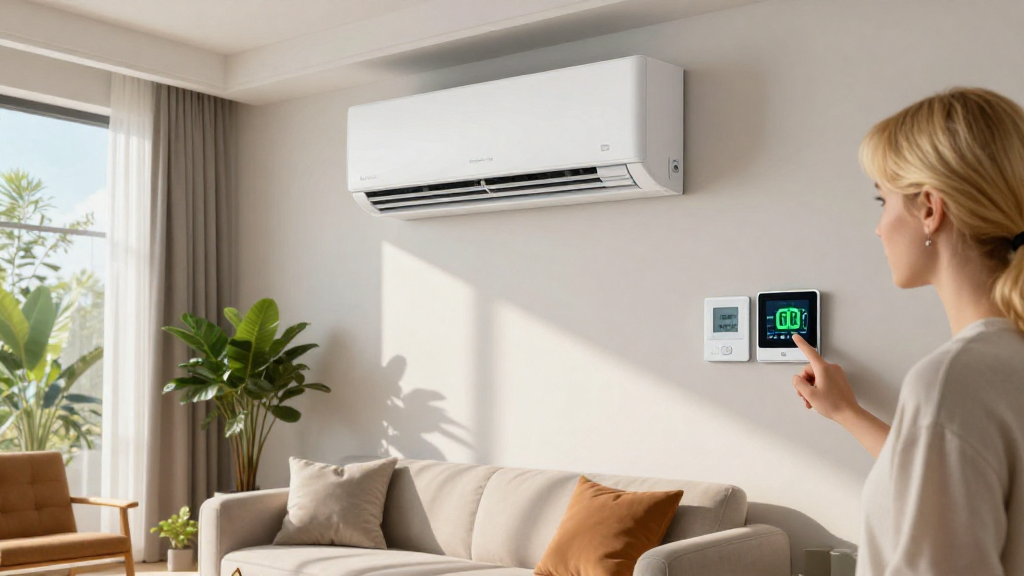
When it comes to air conditioning and electrical load, effective management is essential for both comfort and efficiency.
What Is Electrical Load in Air Conditioning?
Electrical load refers to the amount of electrical power consumed by appliances and systems, including air conditioners.
Understanding this concept is vital because:
- An air conditioning unit requires a substantial amount of electricity to operate, especially during peak summer months.
- Not managing your electrical load can lead to overloading circuits, causing outages or damaging equipment.
Why Is Managing Electrical Load Important for Air Conditioning?
Efficient management of electrical load ensures that your AC unit operates smoothly without putting unnecessary strain on your electrical systems. Here are some compelling reasons why you should consider it:
-
Cost Savings: By minimizing energy waste, you can lower your utility bills.
-
Lifespan of Equipment: Proper management helps in prolonging the lifespan of your air conditioning unit.
-
Safety: Overloading circuits can lead to electrical fires. Ensuring your electrical load is well within permissible limits enhances safety.
-
Performance: A well-managed electrical load allows your air conditioning system to perform optimally, keeping your indoor environment comfortable.
How to Calculate the Electrical Load for Air Conditioning?
Calculating the electrical load for air conditioning is a fundamental step in managing your system. Here’s how you can do it:
-
Determine the AC Unit’s Power Consumption: Check the energy label on your air conditioning unit. It usually specifies power consumption in watts or amps.
-
Identify Total Wattage of Other Appliances: List down other appliances that will run simultaneously with the air conditioning unit—like refrigerators, lighting, and other electrical equipment.
-
Calculate the Total Load: Add the wattage of the air conditioner to the combined wattage of other appliances being used.
Formula:
[
\text{Total Load (in watts)} = \text{AC Wattage} + \text{Total Appliance Wattage}
]
- Convert to Amps: If needed, you can convert watts to amps using the following formula:
[
\text{Amps} = \frac{\text{Watts}}{\text{Voltage (usually 120V or 240V)}}
]
Understanding your total electrical load will help you prevent overloads and enhance energy efficiency.
What Are the Signs of Overloading Your Electrical Load?
Being vigilant about the signs of an overloaded electrical load for your air conditioning system can save you from disastrous outcomes. Here are some key signs:
-
Frequent Circuit Breaker Trips: If your circuit breakers trip often when the AC is on, you may be exceeding the load capacity.
-
Dimmed Lights: Lights flickering or dimming when the AC starts is a strong indicator of overloaded electrical load.
-
Unusual Heat: If outlets or plugs feel hot, this could indicate too much electrical load on a single circuit.
-
Increased Energy Bills: A sudden spike in your electric bill without an increase in usage can signal inefficiency and potential overload in your electrical system.
How Can You Manage Electrical Load for Air Conditioning Effectively?
Managing air conditioning and electrical load can enhance performance, efficiency, and safety. Here are some practical strategies:
1. Upgrade Your Circuit Breakers
If your air conditioning unit is drawing too much current, consider upgrading to a circuit breaker that can handle the load.
2. Use Energy-Efficient AC Units
Investing in an Energy Star-rated air conditioning unit can significantly reduce electrical load. These units are designed to use less energy while providing the same comfort level.
3. Implement Smart Thermostats
Smart thermostats allow you to optimize cooling cycles, ensuring your air conditioning unit is not running unnecessarily. They can adjust the temperature based on your preferences and occupancy.
4. Schedule Maintenance Regularly
Regular maintenance ensures that your AC unit operates efficiently. A well-maintained system consumes less energy and has a lower electrical load.
5. Balance Your Load Across Circuits
Distributing your electrical load across multiple circuits can prevent overload. Don’t run all high-wattage appliances simultaneously on the same circuit as your air conditioning unit.
6. Opt for Variable Speed Air Conditioners
These units adjust their speed based on the cooling needs of your space. This flexibility leads to lower electrical load since they don’t turn on and off frequently, reducing peak demand.
7. Insulate Your Home Properly
Good insulation can keep your home cooler longer. This means your air conditioning unit doesn’t have to work overtime, leading to decreased electrical load.
8. Use Ceiling Fans
Ceiling fans can help circulate cool air more effectively, allowing you to raise the temperature on your thermostat. This simple adjustment can significantly reduce electrical load.
What Are the Benefits of Efficient Electrical Load Management for Air Conditioning?
The advantages of effective electrical load management extend beyond just comfort. Here’s why you should prioritize it:
-
Reduced Wear and Tear on Equipment: An efficiently running AC unit doesn’t have to work as hard, extending its life.
-
Lower Environmental Impact: Efficient systems use less energy, resulting in a smaller carbon footprint. This is increasingly important as sustainability becomes a global priority.
-
Increased Home Comfort: A well-managed electrical load contributes to stable indoor temperatures, increasing overall home comfort.
What Should You Do If You Experience Electrical Issues?
If you suspect that you’re facing electrical issues related to your air conditioning system:
-
Consult a Professional: Engaging a licensed electrician can help you assess and rectify electrical load issues before they escalate.
-
Monitor Your Energy Consumption: Utilize energy monitoring systems that can provide real-time data about your electrical load.
Effective management of air conditioning and electrical load is crucial for any homeowner looking to avoid unnecessary costs and ensure optimal comfort. By understanding your electrical load, implementing the right strategies, and monitoring your systems, you can create a safer, more efficient living environment.
Conclusion
By incorporating these practices into your routine, you can successfully manage your air conditioning’s electrical load and enjoy a more comfortable, energy-efficient home. Take control of your electrical needs today for a comfortable tomorrow!