When it comes to managing air conditioning and energy consumption habits, small changes can lead to significant savings and environmental impact.
In this article, we will explore practical steps you can take to improve your energy efficiency while keeping your home comfortable during hot months.
What Are the Best Practices for Air Conditioning and Energy Consumption Habits?
-
Set Your Thermostat Wisely
– Recommended Temperatures: Aim for a thermostat setting of around 78°F (25-26°C) when you are home.
– Energy-Saving Mode: Most modern thermostats have energy-saving features. Make sure to utilize these settings. -
Utilize Smart Technology
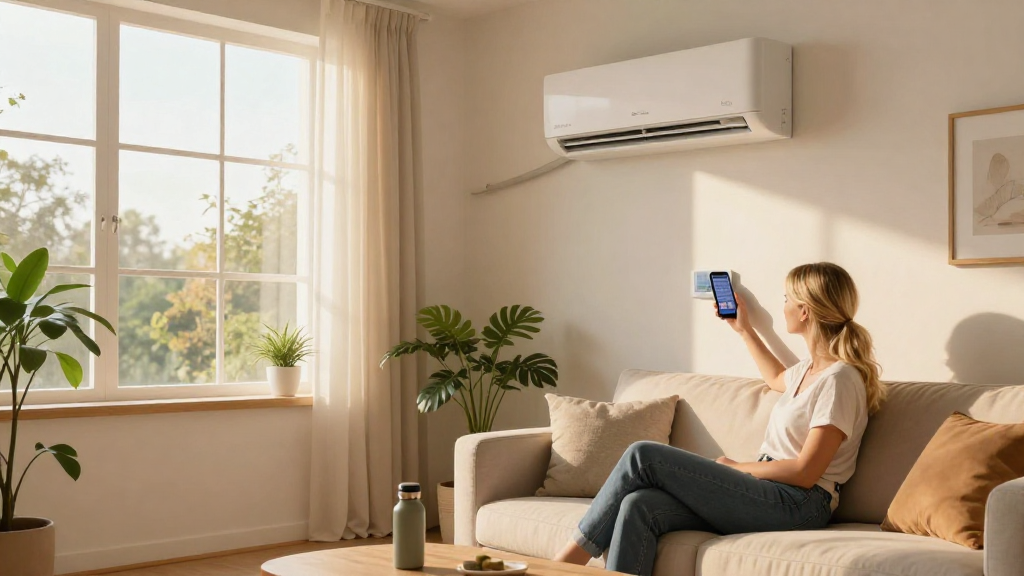
– Programmable Thermostats: Invest in a programmable or smart thermostat. You can set it to automatically adjust temperatures when you are away.
– Home Automation Systems: These enable you to monitor and control your air conditioning remotely to optimize energy usage. -
Implement a Regular Maintenance Schedule
– Clean Filters Monthly: Clogged or dirty filters can make your air conditioner work harder. Clean or replace filters regularly.
– Professional Servicing: Schedule professional maintenance once a year to ensure your system is running efficiently.
How Can You Benefit from Proper Insulation?
Good insulation is vital for energy efficiency.
Here’s how you can enhance your home’s insulation:
- Seal Leaks: Check windows, doors, and ductwork for any air leaks. Sealing these leaks can reduce the workload on your air conditioner.
- Use Insulated Curtains: These can help keep the heat out during summer and maintain a cooler indoor temperature.
What Simple Changes Can Help Your Air Conditioning Efficiency?
Improve your air conditioning and energy consumption habits by making simple lifestyle adjustments:
- Limit Use During Peak Hours: If possible, avoid using air conditioning during the hottest parts of the day.
- Leverage Ceiling Fans: Ceiling fans can help circulate cool air, allowing you to raise your thermostat setting by a few degrees.
- Close Blinds and Shades: Keeping blinds closed during the day can block out heat from the sun.
When Should You Rethink Your Cooling Strategy?
Sometimes a change in strategy can save you both energy and money.
Consider the following:
-
Use Zone Cooling: If you don’t need every room cooled, consider zone cooling. This allows you to only cool the areas of the house that are frequently used.
-
Explore Alternative Cooling Methods:
– Evaporative Coolers: These are a fantastic alternative in dry climates and use significantly less energy.
– Natural Ventilation: Utilize cooler outside air during the night. Open windows and create cross-ventilation to cool your home naturally.
How Can You Educate Your Family About Energy Saving?
Raising awareness about air conditioning and energy consumption habits is crucial for making a lasting change. Here are some tips:
- Lead by Example: Adopting energy-saving habits yourself can inspire other family members to follow suit.
- Conduct Family Meetings: Discuss energy consumption regularly. Encourage everyone to share their ideas and strategies.
- Make It Fun: Consider challenges or competitions focused on energy saving. Reward the family member who saves the most energy.
What Role Do Landscaping and Outdoor Features Play?
Your outdoor environment can significantly impact your air conditioning effectiveness. Here’s how landscaping can help:
- Plant Trees Strategically: Position trees and shrubs to provide shade to your home, which can lower indoor temperatures.
- Use Outdoor Fans: If you spend time outside, outdoor fans can help create a more comfortable space without resorting to air conditioning.
How Can You Monitor Your Energy Use?
Understanding your energy use patterns can help you adjust your habits. Here’s how to track energy consumption effectively:
-
Energy Monitors: Install energy monitors that provide real-time data on your air conditioning unit’s usage.
-
Utility Bills: Regularly review your utility bills for fluctuations. If you notice a spike, investigate the reasons behind it.
-
Set Goals: Aim to reduce your energy usage based on your findings. Setting specific, measurable goals can keep you motivated.
Why Is It Important to Share Your Energy-Saving Journey?
Sharing your experiences with others can have a positive ripple effect.
Consider these points:
-
Community Sharing: Join local groups focused on energy efficiency. They often share tips and experiences that could help you save.
-
Social Media: Share your progress and methods online. You can inspire others to adopt better air conditioning and energy consumption habits.
Conclusion: How Will You Adjust Your Habits Today?
By following the above strategies, you can successfully adjust your air conditioning and energy consumption habits.
Taking small steps toward more energy-efficient practices not only helps reduce your bills but also contributes to environmental sustainability.
To encapsulate, consider these key takeaways:
- Set your thermostat wisely.
- Invest in smart technology.
- Educate your family.
- Monitor your energy use.
Now’s the time to make these adjustments and reap the benefits of a cooler home while also being kind to the planet. Start today and make a change for a more sustainable tomorrow!