When it comes to air conditioning and fuse problems, identifying and resolving issues can save you time and money.
In this article, we will explore the common fuse issues that can affect your air conditioning unit and provide you with step-by-step guidance on how to check for and address these problems effectively.
What Do Fuse Problems Indicate in Air Conditioners?
Air conditioning and fuse problems often indicate an electrical issue that could potentially lead to performance drawbacks or complete system failures.
Here are some key points to consider regarding fuse issues:
- Fuses are Safety Devices: They protect your air conditioning unit from short circuits or overloads.
- Common Symptoms: If your air conditioner isn’t turning on or has constant failure, it might be due to a blown fuse.
- Types of Fuses: There are generally two types of fuses used in air conditioning units: the blade fuse and the cartridge fuse.
Understanding these elements can help you address issues before they escalate into significant repairs.
How Can You Identify Fuse Problems in Air Conditioning Units?
The first step in dealing with air conditioning and fuse problems is identifying whether the fuse is indeed the issue.
1. Check the Thermostat
- Ensure your thermostat is set to “cool” and the temperature is lower than the current room temperature.
- If the thermostat display is blank, it could indicate a blown fuse.
2. Inspect the Circuit Breaker
- Locate the breaker panel in your home to ensure the circuit for your air conditioning unit hasn’t tripped.
- If it has, reset the breaker by flipping it off and back on.
3. Inspect the Air Conditioning Unit
- Look for any signs of burnt or damaged wires around the air conditioning unit.
- Remove the panel covering the fuses (typically found near the compressor unit) to facilitate a clear view.
What Tools Do You Need for the Fuse Check?
Having the right tools makes it easier to diagnose air conditioning and fuse problems. Here’s what you’ll need:
- Screwdriver: For removing or accessing the unit panel.
- Multimeter: To measure voltage and check continuity.
- Flashlight: To help you see inside dark areas of the unit.
- Replacement Fuses: Ensure you have compatible fuses ready in case the old ones need replacing.
How to Test the Fuses in Your Air Conditioning Unit
Proceeding with caution, follow these steps to test fuses in your air conditioning unit:
1. Turn Off Power to the Unit
Always disconnect power to ensure safety while inspecting or replacing fuses.
2. Access the Fuse Panel
- Use the screwdriver to remove panel screws.
- Gently take off the panel covering the fuse.
3. Examine Each Fuse
- Look closely for any visible signs of damage, such as a broken wire inside the fuse or discoloration.
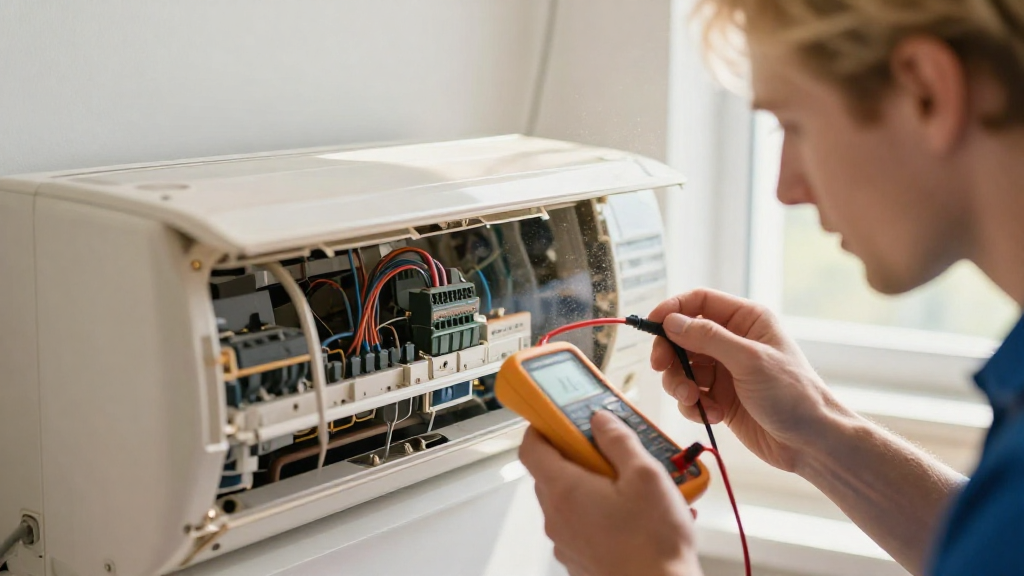
4. Use the Multimeter
To confirm the integrity of the fuses:
- Set your multimeter to the continuity setting.
- Place one probe on each end of the fuse.
- A reading of 0 indicates a good fuse; if there is no reading, the fuse is likely blown.
5. Replace the Blown Fuse
- If a fuse is confirmed as blown, remove it carefully.
- Install a new fuse of the same type and rating, ensuring it fits correctly in the connections.
- Reattach the panel cover and screws.
What Other Electrical Issues Could Cause Fuse Problems?
Occasionally, air conditioning and fuse problems aren’t solely related to a blown fuse. Other electrical issues that could be affecting your system include:
- Faulty Wiring: Over time, wires may become frayed or damaged, leading to shorts.
- Overloaded Circuits: Too many devices on one circuit can result in overloads that blow fuses.
- Compressor Problems: A malfunctioning compressor can draw excessive current, leading to blown fuses.
Understanding these potential problems can guide you toward a more comprehensive diagnosis.
When Should You Call a Professional?
While some fuse issues may be easily fixable, others may require the expertise of a technician.
You should consider calling a professional if:
- You’ve replaced fuses multiple times and the issue persists.
- There are signs of burnt wires or unusual odors in the air conditioning unit.
- You are uncomfortable working with electrical components.
A qualified technician will be equipped to conduct thorough inspections and safeguard the integrity of your air conditioning system.
Conclusion: Preventing Future Fuse Issues
Proactively maintaining your air conditioning unit can significantly reduce the chances of air conditioning and fuse problems.
Consider the following tips for better longevity and performance:
- Schedule Regular Maintenance: Regular checks can prevent problems before they start.
- Keep the Area Clean: Ensure the area around your outdoor unit is clutter-free and well-ventilated.
- Monitor Thermostat Settings: Regularly check and update your thermostat settings for optimal performance.
By being vigilant about these aspects, you’ll ensure that your air conditioning unit runs smoothly, avoiding unnecessary challenges related to its electrical components.
Understanding and addressing air conditioning and fuse problems can make a big difference in your comfort, and following these steps will empower you to manage minor issues confidently.