Air conditioning and global warming are deeply intertwined issues that demand our urgent attention.
As temperatures rise due to climate change, the reliance on air conditioning (AC) systems increases, amplifying greenhouse gas emissions and creating a vicious cycle.
This article explores effective ways to mitigate the harmful effects of air conditioning on global warming and offers practical strategies for reducing its impact.
What Are the Environmental Effects of Air Conditioning?
Air conditioning systems play a crucial role in providing comfort, especially in hot climates. However, their environmental impact is significant, contributing to:
- Increased Energy Consumption: Air conditioning units consume a large amount of electricity, often sourced from fossil fuels, which increases carbon emissions.
- Refrigerant Emissions: Many traditional AC systems use refrigerants that are potent greenhouse gases. When released, they trap heat in the atmosphere, exacerbating global warming.
- Urban Heat Island Effect: The widespread use of air conditioning leads to increased heat in urban areas, further intensifying the need for cooling.
Understanding these consequences allows us to approach the issue of air conditioning and global warming more effectively.
How Can We Make Air Conditioning More Energy-Efficient?
Adopting energy-efficient practices not only reduces energy consumption but also lowers the heat-trapping gases released into the atmosphere. Here are some actionable steps to achieve this:
-
Choose Energy-Star Rated Equipment: When purchasing new units, opt for those with the Energy Star label. These models consume less energy while providing effective cooling.
-
Regular Maintenance: Ensure that AC units are serviced regularly to maintain optimal performance. Simple actions like cleaning filters and checking for leaks can enhance efficiency.
-
Programmable Thermostats: Install programmable thermostats to optimize cooling schedules. Set the temperature higher when the space is unoccupied to save energy.
-
Insulate Your Space: Proper insulation can significantly reduce the need for cooling. Seal any gaps in windows or doors, and consider using reflective window films.
-
Consider Ductless Systems: Ductless mini-split systems can lower energy use compared to centralized units, providing targeted cooling without the energy losses associated with ductwork.
What Are Alternative Cooling Technologies?
With advancements in technology, alternative cooling methods are emerging that have a significantly lower impact on global warming. Consider the following:
- Evaporative Coolers: Known as swamp coolers, these systems use water evaporation to cool the air, requiring much less energy than traditional AC units.
- Geothermal Heat Pumps: These systems leverage the earth’s constant underground temperature to heat and cool buildings efficiently, drastically decreasing energy use.
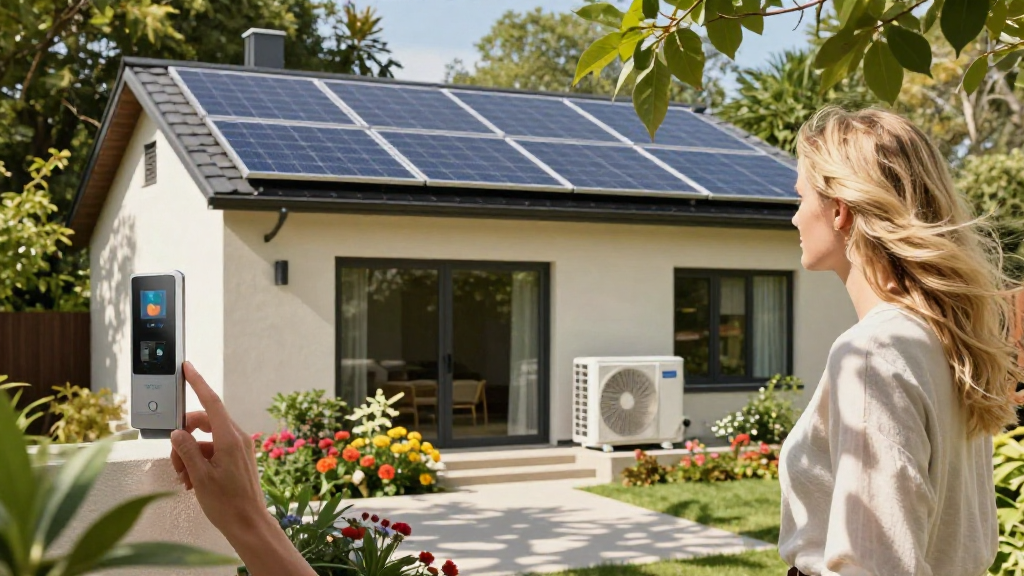
- Solar-Powered Air Conditioning: Integrating solar panels with AC systems can power cooling units with renewable energy, minimizing reliance on fossil fuels.
How Can You Optimize Air Conditioning Use?
Simple changes in how you use your air conditioning can lead to a significant reduction in energy consumption:
- Set Your Thermostat Wisely: Aim for a temperature setting of 78°F (25.5°C) or higher. Each degree you raise can save up to 10% on cooling costs.
- Utilize Ceiling Fans: Ceiling fans help circulate air, allowing you to raise the thermostat setting without feeling uncomfortable.
- Close Curtains and Blinds: Prevent heat from entering by keeping window treatments closed during peak sun hours.
- Minimize Heat Production: Utilize energy-efficient light bulbs and avoid using ovens during the hottest part of the day.
How Can Landscaping Help Reduce AC Reliance?
Landscaping plays a critical role in cooling homes passively and can make a notable difference in reducing air conditioning needs:
- Plant Shade Trees: Strategically planted trees can shade your home, lowering indoor temperatures naturally and mitigating the need for AC.
- Use Evergreen Shrubs: These can act as natural windbreaks in winter and provide additional shade in summer, helping regulate indoor temperatures.
- Install Green Roofs: Green roofs, covered with vegetation, can insulate buildings, absorb heat, and significantly reduce the need for cooling.
What Government Policies and Incentives Exist?
Many governments are taking steps to incentivize energy-efficient cooling and combat the effects of air conditioning on global warming:
- Tax Incentives: Homeowners and businesses may qualify for tax credits when they purchase energy-efficient air conditioning systems.
- Rebates for Upgrades: Utility companies often offer rebates for upgrading to more efficient units, making it financially easier to switch.
- Regulatory Standards: Stricter regulations on refrigerants can push manufacturers to develop safer and more environmentally friendly products.
Staying informed about local incentives can motivate individuals and businesses to make better choices in air conditioning systems and practices.
How Can Individuals Advocate for Change?
Individual actions may seem small, but collectively, they can lead to significant changes in our communities and beyond. Here are some ways to get involved:
- Educate Others: Share knowledge about the connection between air conditioning and global warming. Awareness can drive more responsible usage.
- Support Eco-Friendly Brands: Patronize companies that prioritize sustainability in their products and practices.
- Participate in Local Initiatives: Join or support community efforts focused on sustainability practices, such as tree-planting campaigns or climate change awareness.
Advocacy can help create a culture that values resource conservation and sustainability.
Conclusion: What Steps Can You Take Today?
Reducing the impact of air conditioning on global warming is imperative for our planet’s future.
By adopting energy-efficient practices, considering alternative technologies, optimizing our usage, and advocating for better policies, we can all contribute to a more sustainable world.
The relationship between air conditioning and global warming is complex, but with concerted efforts, we can mitigate its effects and enjoy a cooler, greener future.
The journey to combat global warming begins with each of us making informed choices. Together, we can drive lasting change.