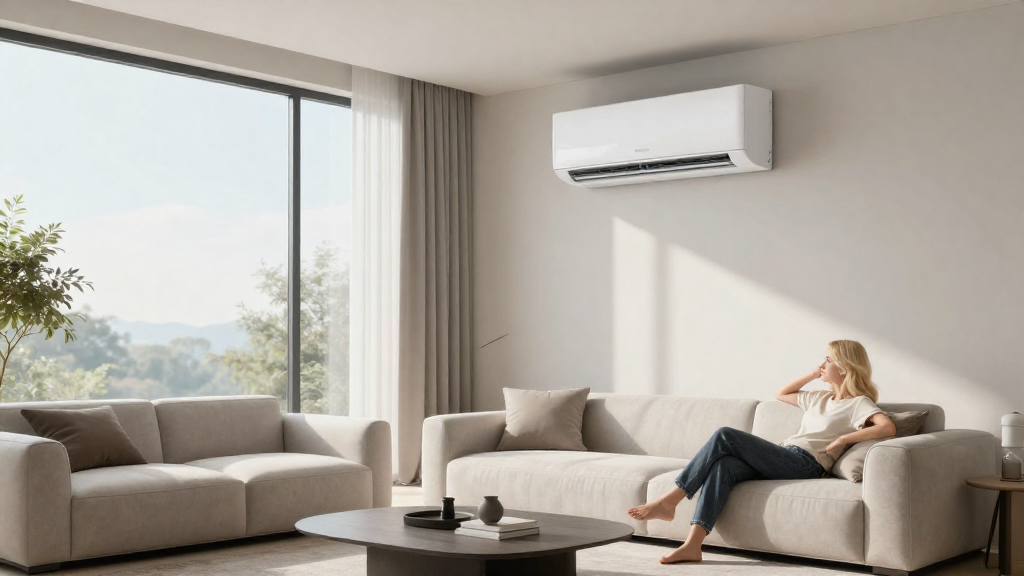
Integrating air conditioning into home design is essential for creating a comfortable living space that promotes relaxation and well-being.
Why Is Air Conditioning Important in Home Design?
Integrating air conditioning and home design is not just about comfort; it’s about improving overall air quality and enhancing the aesthetic appeal of your home.
When planning your home layout and selecting design elements, consider these key benefits:
-
Improved Air Quality:
– Air conditioning can filter out pollutants, allergens, and dust, contributing to a healthier indoor environment. -
Comfort During Extreme Weather:
– Effective air conditioning allows for consistent temperatures, especially during extreme heat or cold. -
Energy Efficiency:
– Modern air conditioning units can be energy-efficient, saving money on utility bills while effectively cooling your home. -
Increased Property Value:
– A well-designed air conditioning system can enhance your home’s appeal and value.
By understanding the significance of integrating air conditioning and home design, you set the foundation for a more comfortable and visually appealing home.
What Are the Best Options for Air Conditioning?
When considering air conditioning into home design, there are various types of systems to choose from:
-
Central Air Conditioning:
– This system uses ducts to circulate cool air throughout the home.
– Ideal for larger homes with multiple rooms. -
Ductless Mini-Split Systems:
– These systems provide air conditioning without ductwork.
– Perfect for homes without existing ducts or for targeted cooling in specific rooms. -
Window Units:
– Window air conditioning units can cool single rooms efficiently.
– They are often cost-effective and easy to install. -
Portable Air Conditioners:
– These units can be moved from room to room.
– Great for renters or for homes lacking a central system. -
Hybrid Systems:
– A mix of heating and cooling options, these systems can be cost-effective and environmentally friendly.
When choosing the best option, consider factors such as your home’s size, layout, and the design style you want to maintain.
How to Incorporate Air Conditioning into Your Home Design?
To successfully integrate air conditioning and home design, follow these steps:
1. Plan Your Layout
-
Consider Room Size: Choose an air conditioning option suitable for your room dimensions.
-
Identify Heat Sources: Determine areas that may require additional cooling due to heat from appliances or sunlight.
2. Hide the Units Elegantly
-
Use Decorative Grills: Mask air vents with decoratively designed grills that fit the overall home aesthetic.
-
Incorporate Into Architecture: Hide ductwork or air conditioning units behind wall panels or in built-in cabinetry.
3. Opt for Energy-Efficient Models
-
Select High-Efficiency Systems: Look for units with a high SEER (Seasonal Energy Efficiency Ratio) rating to minimize energy consumption.
-
Utilize Smart Thermostats: Investing in smart thermostats can help you manage energy use efficiently.
4. Choose the Right Style
-
Blend with Décor: Ensure that the selected air conditioning units complement the existing color schemes and styles.
-
Consistent Design Language: Maintain a consistent design language throughout the home; for instance, sleek and modern units for contemporary designs.
5. Focus on Comfort Zones
-
Create Cooling Zones: Use zoning systems to control temperatures in different areas based on usage.
-
Prioritize Bedrooms and Living Areas: Ensure that key living spaces and sleeping areas receive adequate cooling.
How Can You Design Around Your Air Conditioning System?
Once you’ve selected the right air conditioning option, it’s time to design your interiors to complement it. Here are some ideas:
1. Use Smart Furniture Placement
-
Avoid Obstructions: Make sure that furniture does not block air vents for maximal airflow.
-
Zone with Rugs: Use rugs and furniture to create “cool zones” where people can gather comfortably.
2. Choose Appropriate Color Palettes
-
Cool Color Schemes: Use palettes with blues, greens, and neutral colors to evoke a sense of coolness.
-
Reflective Surfaces: Incorporate reflective surfaces, such as mirrors and glossy finishes, to enhance light and air circulation.
3. Emphasize Natural Light
-
Use Windows: Maximize window placement to create bright, airy spaces that feel cooler.
-
Add Skylights: Consider installing skylights to allow natural light while using blinds or shades to minimize heat gain during peak sun hours.
4. Enhance Indoor Plants
-
Use Plants Strategically: Place indoor plants near air conditioning units to improve air quality and add a refreshing touch to the design.
-
Select Appropriate Species: Opt for plant species known to thrive indoors, such as snake plants and peace lilies.
What Are Some Common Mistakes to Avoid?
When integrating air conditioning and home design, it’s crucial to avoid common pitfalls such as:
-
Overlooking Duct Placement:
– Poorly placed ducts can lead to ineffective cooling and increased energy consumption. -
Neglecting Maintenance:
– Regularly maintain your system to ensure optimal performance and longevity. -
Incompatibility with Home Aesthetics:
– Avoid choosing air conditioning units that clash with your home design. -
Ignoring Energy Efficiency:
– Failing to select energy-efficient models can result in higher energy bills.
By being aware of these mistakes, you can make informed choices that support a harmonious blend of air conditioning and home design.
In Summary
Integrating air conditioning into home design is a vital component of creating a comfortable and aesthetically appealing living environment.
From choosing the right system to ensuring that it complements your home’s design, the focus should always be on:
- Efficiency
- Aesthetic match
- Optimal airflow
Bringing together these elements will not only enhance your home’s comfort but will also elevate its value and livability.
As you embark on your journey of integrating air conditioning, remember to prioritize wise planning, creative design, and attention to detail.
With the right approach, air conditioning can seamlessly blend into your home, enhancing both functionality and style.