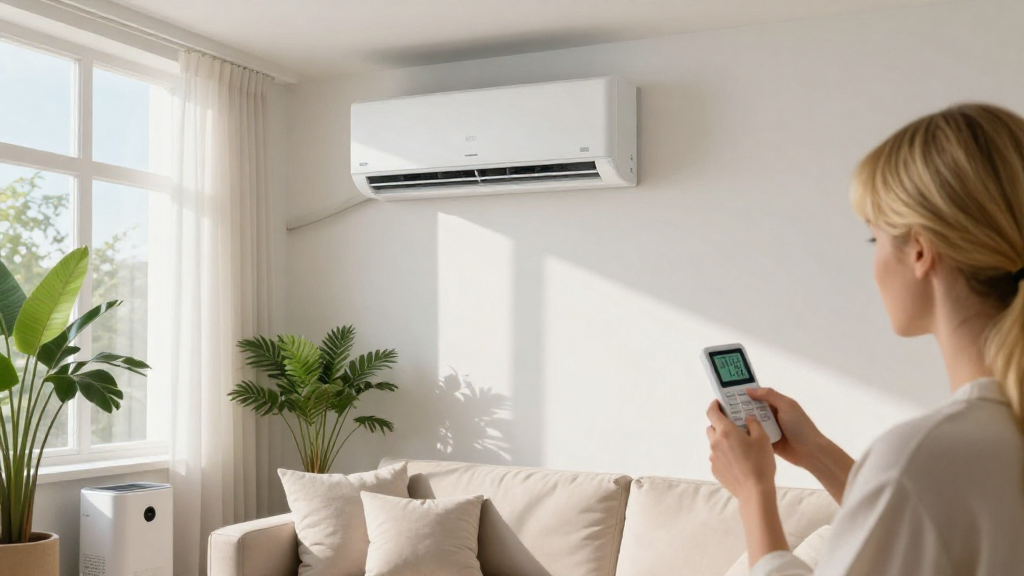
When it comes to creating a comfortable indoor environment, air conditioning and moisture control play a vital role. Maintaining optimal humidity levels not only promotes comfort but also protects your home from damage.
What is the Relationship Between Air Conditioning and Moisture Control?
Air conditioning units are designed to not only cool the air but also to dehumidify it.
By removing moisture from the indoor air, air conditioners help prevent the growth of mold, mildew, and dust mites, all of which thrive in humid environments.
To fully understand how air conditioning affects moisture levels indoors, let’s explore the mechanics behind it.
How Does an Air Conditioner Remove Moisture?
-
The Cooling Process:
– As indoor air passes over the evaporator coils, the air is cooled.
– This process causes moisture in the air to condense on the coils. -
Drainage:
– The water collected drips into a condensate pan and is then drained outside the home.
– This prevents the buildup of humidity in the indoor space. -
Humidity Regulation:
– The air conditioning system regulates moisture levels by continuously cycling indoor air.
– This helps maintain a consistent humidity level, ideally between 30% and 50%.
By understanding these processes, you can maximize the benefits of air conditioning and moisture control within your home.
How Can I Optimize My Air Conditioner for Moisture Control?
To fully harness the power of your air conditioning system for effective moisture control, consider the following tips:
1. Set the Temperature Appropriately
- Aim for 75°F or below:
- Setting your thermostat too low can cause excessive moisture removal.
- A balanced temperature will help efficiently regulate humidity.
2. Utilize the “Dry” Mode
- If your air conditioner has a “dry” mode, use it when humidity levels spike.
- This mode focuses on dehumidification without cooling the air excessively.
3. Maintain Your Air Conditioning System
- Regular Maintenance:
-
Schedule annual check-ups to ensure your air conditioning system operates efficiently.
-
Change Filters Periodically:
- Clogged or dirty filters restrict airflow, causing the system to work harder and impacting moisture removal.
4. Seal Air Leaks
- Inspect windows and doors for air leaks.
- Use weather stripping and caulking to seal these gaps.
- This will prevent humid outdoor air from entering your home and affecting indoor moisture levels.
What Are the Signs of Excess Humidity in My Home?
Recognizing the signs of excess humidity is essential for effective air conditioning and moisture control. Look for these indicators:
-
Visible Mold or Mildew Growth:
– Black spots in damp areas, especially in corners and on ceiling tiles. -
Condensation:
– Water droplets forming on windows or walls. -
Musty Odors:
– A persistent smell that indicates mold or mildew presence. -
Increased Allergies:
– Heightened reactions to dust or other allergens in the home. -
Damp or Wet Spots:
– Areas of wall or floor that feel moist to the touch.
How Can I Use Dehumidifiers Alongside Air Conditioning?
While air conditioning and moisture control work well together, you can enhance moisture management by incorporating dehumidifiers. Here’s how:
- Supplemental Dehumidifiers:
- Use them in particularly humid rooms like basements or laundry areas.
- Set Up in Conjunction:
- Use both systems to maintain ideal humidity levels, especially in tropical climates.
- Portable Dehumidifiers:
- Move them around spaces where humidity levels are often higher.
What Other Factors Affect Indoor Humidity?
In addition to air conditioning, several factors can influence moisture levels indoors:
1. Ventilation
- Use exhaust fans in kitchens and bathrooms.
- This helps remove excess moisture produced during cooking or showering.
2. Houseplants
- Some plants naturally release moisture into the air.
- Monitor plant care to prevent them from contributing to excessive indoor humidity.
3. Appliances
- Running dishwashers, dryers, and stoves can introduce moisture.
- Ensure proper ventilation is in place when using these appliances.
4. Weather Conditions
- High humidity outside will increase indoor moisture levels.
- Adjust your air conditioning settings based on seasonal weather patterns.
How Can I Monitor Indoor Humidity Levels?
Keeping track of humidity levels is crucial in maintaining a balanced environment. Here are some methods to effectively monitor indoor humidity:
1. Use a Hygrometer
- Invest in a digital hygrometer to measure indoor humidity accurately.
- Aim for levels between 30-50%.
2. Observe Indoor Conditions
- Regularly check for condensation on windows or water stains on walls.
- Address any noticeable issues immediately.
Conclusion: Creating a Comfortable Living Space with Air Conditioning
Mastering air conditioning and moisture control is essential for a comfortable and healthy home.
By understanding how air conditioning removes moisture, optimizing your system, recognizing signs of excess humidity, and implementing additional moisture control measures, you can ensure a safe and pleasant indoor environment.
Your home deserves to be a refuge from outdoor humidity, and with these strategies, you can maintain the perfect balance in your living space.
Take action today to improve your indoor climate, and enjoy the comfort that comes from effective air conditioning and moisture control!