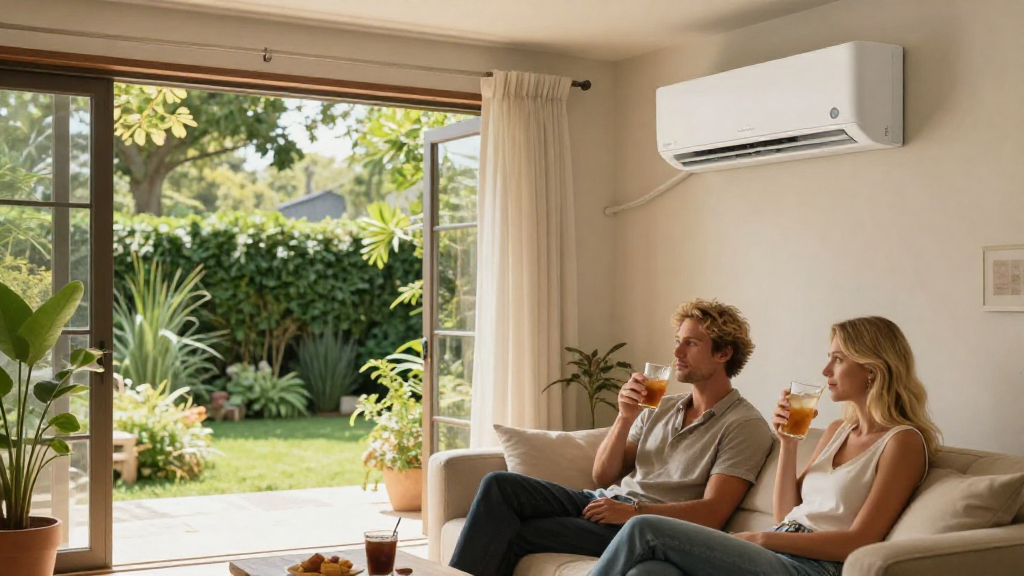
When it comes to creating a comfortable indoor environment, understanding how to combine air conditioning and natural cooling methods can greatly enhance your home’s energy efficiency and cost-effectiveness.
What are Air Conditioning and Natural Cooling Methods?
Air conditioning systems are designed to regulate indoor temperatures, providing a controlled environment that helps alleviate heat.
However, relying solely on air conditioning can lead to increased energy consumption and higher utility bills.
Natural cooling methods, on the other hand, harness the forces of nature to keep indoor spaces cool.
Elements like cross-ventilation, shade from trees, and cooling breezes can significantly reduce indoor temperatures without heavy reliance on mechanical systems.
By combining air conditioning and natural cooling, homeowners can achieve optimal comfort while minimizing energy use.
How Can You Use Air Conditioning and Natural Cooling Together?
Finding the right balance between air conditioning and natural cooling is key to enhancing comfort in your home. Here are several strategies to effectively blend these systems:
1. How Do House Orientation and Landscaping Impact Cooling?
The orientation of your home plays a crucial role in effective cooling.
- Positioning your windows: Strategically placing windows can allow for cross-ventilation and capture cooling breezes during the warmer months.
- Using trees and shrubs: Incorporate natural shade into your landscaping to keep the sun’s heat at bay. Trees strategically planted near windows can block direct sunlight during the hottest part of the day.
- Install awnings and shades: External and internal shading devices can prevent excessive heat gain, allowing your air conditioning system to work more efficiently.
2. Which Natural Ventilation Techniques Work Best?
Natural ventilation involves using environmental forces to circulate air within your home.
Here are some effective techniques:
-
Cross-ventilation: Open windows and doors on opposite sides of the house to create a flow of air. This natural breeze can cool your home while allowing your air conditioning to maintain a baseline temperature.
-
Stack ventilation: Utilize vertical airflow by opening windows at different heights. Warm air rises, so opening higher windows can help hot air escape while cooler air enters through lower openings.
-
Night ventilation: Consider cooling your home at night when outdoor temperatures drop. Open windows or use fans to promote cool air flow into your home, thus reducing the load on your air conditioning system the following day.
3. What Is the Role of Insulation in Combining Air Conditioning and Natural Cooling?
Proper insulation is vital in maintaining an ideal indoor environment.
-
Reduce heat gain: Quality insulation in your walls, roofs, and floors will keep your home cool by minimizing heat absorption from the outside.
-
Seal air leaks: Ensuring your home is sealed properly eliminates drafts, which allows your air conditioning unit to maintain the desired temperature with less energy.
-
Invest in energy-efficient windows: Double or triple-glazed windows with low emissivity (Low-E) coatings can significantly reduce heat transfer, allowing you to rely more on natural cooling methods while reducing the burden on your air conditioning.
4. How Can Fans Enhance Air Conditioning and Natural Cooling?
Using fans in conjunction with air conditioning can improve air circulation and enhance comfort.
-
Ceiling fans: These can help distribute cool air more evenly throughout a room, allowing you to raise the thermostat a few degrees without compromising comfort.
-
Exhaust fans: Installing exhaust fans in kitchens and bathrooms can remove heat and humidity generated from cooking and showers, making it easier for your air conditioning unit to maintain a comfortable environment.
-
Window fans: These can be used strategically to pull cool air into the home during cooler evening hours or to exhaust hot air during the day.
5. How Does Choosing the Right Air Conditioning System Influence Strategy?
Selecting an air conditioning system that complements natural cooling methods is essential.
-
Consider a high-efficiency system: Investing in an energy-efficient model will reduce energy consumption and costs when air conditioning is necessary.
-
Smart thermostats: These can optimize the use of air conditioning systems based on real-time conditions and preferences, ensuring you benefit from natural cooling whenever possible.
-
Zoned cooling systems: These systems allow for targeted cooling in specific areas of the home, meaning you can focus your air conditioning use in spaces being used the most, while enjoying natural cooling in lesser-used rooms.
What Benefits Come from Combining Air Conditioning and Natural Cooling?
The combination of air conditioning and natural cooling methods offers several advantages:
-
Reduced energy consumption: By using natural cooling techniques, you can significantly decrease reliance on your air conditioning system, leading to lower energy bills and a smaller carbon footprint.
-
Improved indoor air quality: Natural ventilation can enhance indoor air quality by reducing stale air and bringing in fresh outdoor air.
-
Extended lifespan of air conditioning systems: Reduced operation time can prolong the life of your cooling system by lowering wear and tear.
-
Increased comfort levels: Efforts to maintain a cooler environment while managing costs can lead to a more satisfying living experience.
In Conclusion
Combining air conditioning with natural cooling methods is not only a practical approach to home comfort but also an eco-friendly one.
By leveraging natural cooling techniques like cross-ventilation, thoughtful landscaping, insulation improvements, and efficient use of fans, homeowners can reduce their reliance on air conditioning while still enjoying a pleasant indoor climate.
As you strive to achieve the perfect indoor temperature, remember that the balance of air conditioning and natural cooling will not only enhance comfort but also contribute to significant energy savings.
Adopting these strategies ensures that you maintain a cool, comfortable home without compromise. Whether you’re embarking on renovations or simply seeking to fine-tune your existing systems, understanding how to combine air conditioning and natural cooling will pay substantial dividends in comfort and efficiency.