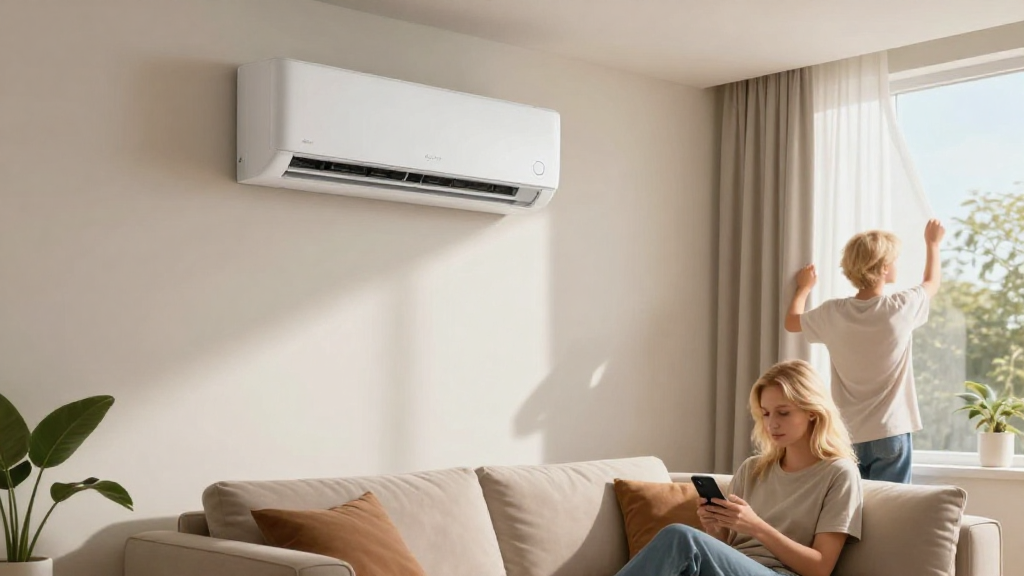
Integrating air conditioning and occupancy sensors can significantly enhance energy efficiency and comfort in any space.
What Are Occupancy Sensors?
Occupancy sensors are devices designed to detect the presence of people within a specific area.
They work by:
- Using infrared technology to sense body heat
- Employing ultrasonic waves to detect movement
- Utilizing microwave signals for greater accuracy
When connected to an air conditioning system, these sensors can optimize energy use by adjusting the cooling output based on the occupancy of the space.
How Do Air Conditioning and Occupancy Sensors Work Together?
The beauty of air conditioning and occupancy sensors lies in their symbiotic relationship.
When the sensors detect that a room is occupied, they signal the air conditioning system to adjust its cooling levels accordingly.
Conversely, when the space is empty, the sensors can either turn off the system or reduce cooling to save energy.
Here’s how it generally works:
- Detection: The occupancy sensor detects when individuals enter or leave the room.
- Signaling: The sensor then communicates with the air conditioning system.
- Adjustment: Based on occupancy, the system adjusts its operation—either increasing cooling when someone is present or reducing it when the room is unoccupied.
Why Use Occupancy Sensors with Air Conditioning?
Incorporating occupancy sensors into your air conditioning system provides numerous benefits:
1. Energy Efficiency
Energy savings are one of the primary reasons to integrate occupancy sensors with air conditioning.
By automatically adjusting cooling based on occupancy, you can significantly reduce energy consumption. Some studies suggest that this can lead to energy savings of up to 30-50%.
2. Enhanced Comfort
With air conditioning and occupancy sensors, you create a more comfortable environment for building occupants.
The system can provide a consistent temperature when people are present, while avoiding unnecessary cooling when the room is empty.
3. Extended Equipment Life
By reducing the runtime of your air conditioning unit when it is not needed, occupancy sensors help extend the lifespan of your HVAC system, saving money on repairs and replacements.
4. Cost-Effectiveness
Lower energy bills can quickly offset the initial investment required for installing occupancy sensors.
This return on investment makes it a logical choice for both residential and commercial environments.
How to Install Occupancy Sensors for Air Conditioning?
Installing occupancy sensors for your air conditioning system involves several steps.
Use the following guide:
Step 1: Choose the Right Type of Sensor
There are various types of occupancy sensors available, including:
- Passive Infrared (PIR): Best for detecting body heat in smaller areas.
- Ultrasonic Sensors: Effective in larger spaces and can cover more significant areas.
- Dual Technology Sensors: Combine both PIR and ultrasonic for increased accuracy.
Step 2: Identify Key Areas
Focus on high-traffic areas like:
- Conference rooms
- Offices
- Restrooms
- Retail spaces
Identify locations where occupancy sensors can effectively monitor and adjust the air conditioning system.
Step 3: Follow Manufacturer Guidelines
Always refer to the manufacturer’s instructions regarding placement and wiring to ensure proper functionality.
Typically, the sensors should be installed:
- 7 to 10 feet above the floor
- In a location where they can get a clear line of sight
Step 4: Integrate with HVAC System
Work with an HVAC professional to integrate the occupancy sensors with your existing air conditioning system.
They will provide the necessary adjustments and programming to ensure seamless operation.
Step 5: Test the System
After installation, conduct a thorough test of the system.
Ensure that the sensors respond appropriately to occupancy and control the temperature as intended.
How to Optimize Usage of Occupancy Sensors with Air Conditioning?
Once installed, optimizing the use of air conditioning and occupancy sensors can further elevate their effectiveness.
Consider the following strategies:
1. Set Appropriate Time Delays
Adjust the time delay settings on the sensors to match the usage patterns of your space.
For example, in a busy office, a short delay may suffice, while in conference rooms, a longer delay may be more appropriate.
2. Use Zoning Strategies
Further enhance comfort and efficiency by zoning your air conditioning system.
You can install multiple sensors in different areas and set varying temperature preferences based on the specific use of those spaces.
3. Regular Maintenance
Like any electrical system, regular maintenance is key to ensuring optimal performance.
Check sensors and air conditioning systems semi-annually for any required adjustments or cleaning.
What Are the Challenges of Using Occupancy Sensors with Air Conditioning?
While there are many benefits to using air conditioning and occupancy sensors, some challenges include:
1. Potential for False Triggers
Occupancy sensors may sometimes falsely register motion or presence, leading to unnecessary cooling.
This can happen due to:
- Pets
- Moving objects
- HVAC systems generating air movement
2. Initial Costs
The upfront cost of installing occupancy sensors can be a barrier for some.
However, the long-term savings on energy bills often justify the initial outlay.
3. Compatibility Issues
Ensure that the chosen occupancy sensors are compatible with your existing air conditioning system to avoid installation issues.
Conclusion: Is Using Air Conditioning and Occupancy Sensors Worth It?
In conclusion, integrating air conditioning and occupancy sensors provides multiple benefits, including energy efficiency, cost savings, and enhanced comfort.
The key to optimizing their use lies in careful selection, proper installation, and ongoing maintenance.
By taking these steps, you can maximize the advantages of your air conditioning system.
Embracing this technology ultimately leads to a greener, more comfortable environment for everyone.
Take the leap, and you’ll be reaping the benefits of this innovative solution in no time!