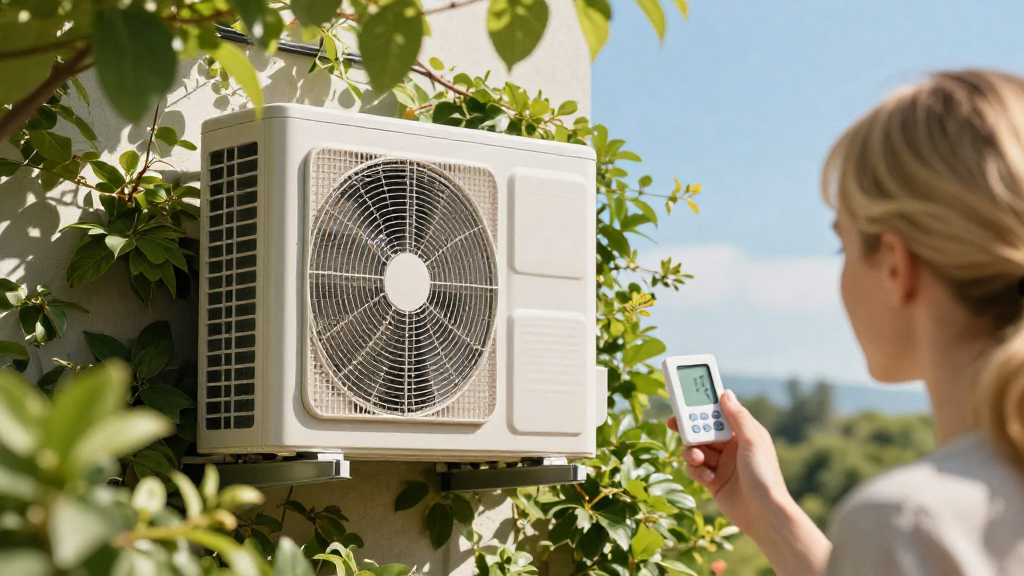
Understanding the relationship between air conditioning and ozone is essential, especially as global temperatures rise. This article aims to explore how air conditioning systems can influence the ozone layer and what it means for our environment.
What is the Connection Between Air Conditioning and Ozone?
Air conditioning units are ubiquitous in modern society. They provide comfort in homes, offices, and vehicles, especially during scorching hot summers.
However, they can have significant implications on the ozone layer. The ozone layer is a fragile shield of gas in the Earth’s stratosphere that protects living beings from harmful ultraviolet (UV) radiation.
When we look deeper into the relationship between air conditioning and ozone, we find both direct and indirect impacts.
What Are the Key Components of Air Conditioning Systems?
Air conditioning systems typically consist of:
-
Refrigerants: Chemicals used to absorb heat. Some older refrigerants are harmful to the ozone layer.
-
Compressors: These pressurize the refrigerant, facilitating the cooling process.
-
Evaporators: They allow the refrigerant to absorb heat from the indoor air, thereby cooling it down.
-
Condensers: These discharge the absorbed heat outside.
Why Are Refrigerants Important to Ozone?
One crucial aspect of the relationship between air conditioning and ozone centers on refrigerants.
Historically, refrigerants like chlorofluorocarbons (CFCs) and hydrochlorofluorocarbons (HCFCs) were widely used in air conditioning systems.
These substances are known to cause:
-
Ozone Depletion: When released into the atmosphere, they can break down ozone molecules.
-
Global Warming Potential: Some refrigerants have high global warming potential, meaning they contribute significantly to climate change.
How Does Air Conditioning Contribute to Ozone Depletion?
The main ways air conditioning affects the ozone level include:
-
Release of Harmful Chemicals: While operating, older air conditioning units can leak refrigerants into the atmosphere, contributing to ozone layer depletion.
-
Energy Consumption: Air conditioning systems consume vast amounts of energy, often from fossil fuels. This leads to increased CO2 emissions, which complicates atmospheric conditions. Higher CO2 levels can cause changes in temperature and pressure, further affecting ozone levels.
-
Environmental Impact of Manufacturing: The production and disposal of air conditioning units can involve processes that also emit ozone-depleting substances.
What Are the Alternatives to Traditional Refrigerants?
In light of the adverse effects, various alternatives have emerged for air conditioning systems.
-
Hydrofluorocarbons (HFCs): Although not ozone-depleting, they are potent greenhouse gases. Regulations are being introduced to phase them out.
-
Natural Refrigerants:
– Ammonia: Used in industrial settings, it’s efficient yet toxic if not handled properly.
– Carbon Dioxide: A less harmful alternative that is gaining popularity.
– Isobutane and Propane: These hydrocarbons have low global warming potential and do not deplete the ozone. -
Water-Based Systems: Emerging technologies focus on using water as a medium for cooling, significantly reducing environmental impact.
What Role Do Governments Play in Protecting the Ozone Layer?
Governments and international organizations have recognized the threats posed by air conditioning and ozone depletion.
Major actions taken include:
-
Montreal Protocol: Adopted in 1987, this international agreement aimed at phasing out substances responsible for ozone depletion, including certain refrigerants.
-
Regulations on Appliance Standards: Many countries are enacting laws to require newer air conditioning models to use less harmful refrigerants.
-
Incentives for Energy Efficiency: Grants and rebates are often available for those who invest in energy-efficient appliances or upgrade to systems using natural refrigerants.
How Can Consumers Help Protect the Ozone Layer?
As consumers, we also have a crucial role in mitigating the effects of air conditioning on ozone levels.
Here are tips to consider:
-
Choose Eco-Friendly Units: Opt for air conditioning systems that use natural refrigerants and have high energy efficiency ratings.
-
Regular Maintenance: Ensure your air conditioning unit is regularly serviced to prevent leaks of harmful refrigerants.
-
Energy Conservation: Reduce your reliance on air conditioning by:
– Utilizing fans.
– Ensuring proper insulation.
– Shading windows to keep indoor spaces cool. -
Educate Yourself and Others: The more we know about the impact of air conditioning and ozone, the more effective we can be in implementing change.
What Are the Consequences of Ignoring Ozone Depletion?
Failing to address the relationship between air conditioning and ozone can have dire consequences:
-
Increased UV Radiation Exposure: Higher levels of UV radiation can lead to skin cancer, cataracts, and other health issues.
-
Ecosystem Damage: Elevated UV radiation can harm flora and fauna, disrupting ecosystems.
-
Accelerated Climate Change: The depletion of the ozone layer can contribute to global warming, resulting in extreme weather patterns and habitat loss.
Conclusion: What Should We Take Away?
In summary, the interplay between air conditioning and ozone is complex and critical.
While air conditioning provides essential comfort, it can also be detrimental to our environment if not managed properly.
By opting for healthier alternatives, maintaining our systems, and advocating for stronger regulations, we can significantly reduce the negative impact air conditioning has on the ozone layer.
It’s imperative for individuals, businesses, and governments to unite in their efforts to protect this crucial part of our atmosphere.
A collective approach will ensure a healthier planet for future generations.