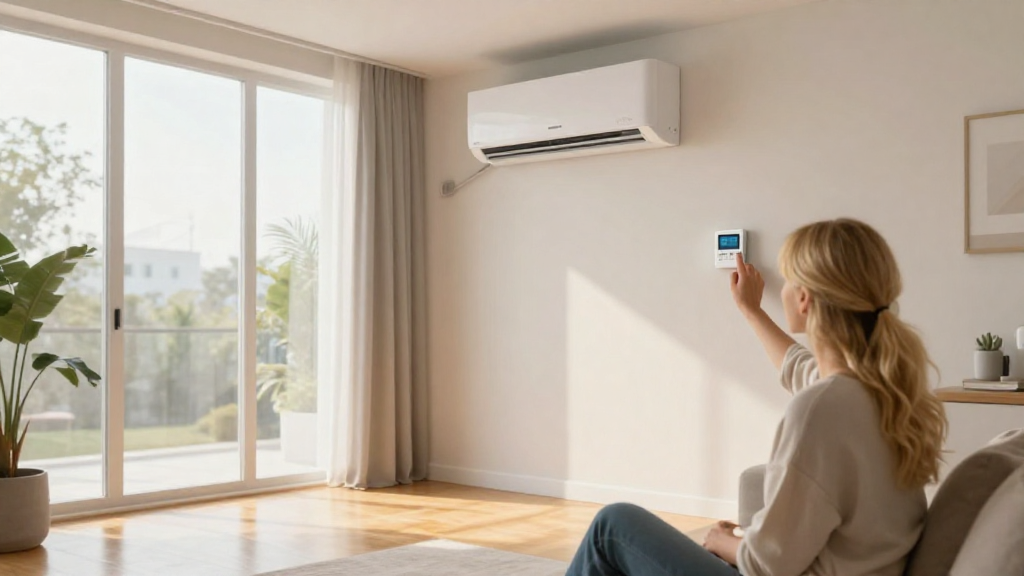
Managing air conditioning and radiant heat can be challenging, but with the right strategies, you can achieve a comfortable indoor environment all year round.
What Is Radiant Heat?
Radiant heat refers to the energy that transfers from a hotter object to a cooler one without requiring any intermediary, like air or water.
This mode of heat transfer can arise from sources such as:
- Sunlight entering your home through windows
- Radiant floor heating systems beneath your floors
- Hot surfaces like stoves, fireplaces, or radiators
Understanding how radiant heat affects your home will help you better manage it using air conditioning.
How Does Air Conditioning Work with Radiant Heat?
Air conditioning and radiant heat can work together, but it’s crucial to understand how they interact.
Air conditioning is designed to cool air by removing heat and humidity from an indoor space and circulating it.
However, if radiant heat sources are present, it can create a dynamic that challenges your air conditioning system’s efficiency.
For example, sunlight can heat up rooms, and if your air conditioning is running in those areas, it must work harder to compensate for the radiant heat, leading to higher energy bills and less overall comfort.
What Are the Best Strategies to Manage Air Conditioning and Radiant Heat?
There are several effective strategies to manage air conditioning and radiant heat in your home:
1. Use Thermal Mass Wisely
Thermal mass refers to materials like concrete, bricks, or stone that absorb and store heat.
Consider incorporating thermal mass materials in your home design:
- They can help regulate temperatures by absorbing sunlight during the day and releasing it slowly at night.
- This can reduce the workload on your air conditioning.
2. Optimize Your Air Conditioning System
How efficient is your air conditioning unit?
- Regular maintenance is key. Change filters often to ensure efficient airflow.
- Check cooling settings and set your thermostat to a comfortable temperature (typically between 72°F to 78°F).
- Consider installing a smart thermostat that can adapt to your schedule, reducing energy consumption when no one is home.
3. Use Ceiling Fans and Blinds
What role do ceiling fans play?
Ceiling fans can help distribute cooled air throughout the room.
For best results, run your ceiling fan counter-clockwise in summer to create a wind-chill effect.
Additionally, use blinds or shades to block sunlight during peak hours. This will help reduce the radiant heat entering your home and lessen the load on your air conditioner.
4. Seal Windows and Doors
How can weatherproofing impact radiant heat?
Gaps and leaks around windows and doors can allow warm air in and cool air out.
Take the following steps to improve your home’s envelope:
- Weatherstrip doors and windows
- Caulk any gaps
- Use storm windows for additional insulation
These steps will help reduce the radiant heat entering your home and improve the efficiency of your air conditioning system.
5. Install Zoning Systems
Is zoning beneficial for managing air conditioning and radiant heat?
A zoning system allows you to control the temperature in different areas of your home independently.
This means you can keep rooms with radiant heat (like sunny areas) cooler without overcooling places that typically remain comfortable.
Investing in a zoning system can significantly enhance comfort while optimizing energy usage.
6. Consider Dehumidification
Can humidity affect your comfort level?
Yes! High humidity can make your home feel much warmer than it actually is.
Consider using a dehumidifier alongside your air conditioning unit to remove excess moisture in the air.
By keeping humidity levels in check, you can make the indoor environment feel cooler without lowering the temperature significantly.
How Can Landscaping Help in Managing Radiant Heat?
Is there a role for landscaping in managing radiant heat?
Absolutely! Thoughtful landscaping can reduce radiant heat and aid your air conditioning system.
Here are some landscaping strategies to consider:
- Planting trees around your home provides shade that can lower indoor temperatures.
- Using shrubs or climbing vines can help cool the air around your house.
- Consider creating a green roof or vertical garden that absorbs heat rather than allowing it to penetrate your living space.
These strategies can reduce radiant heat significantly, leading to less reliance on your air conditioning.
What Are the Benefits of Coordinating Air Conditioning and Radiant Heat Management?
Managing air conditioning and radiant heat effectively can lead to numerous benefits, including:
- Lower Energy Bills: By optimizing your cooling system and reducing the burden of radiant heat, you can lower your energy costs.
- Increased Comfort: Maintaining an even indoor temperature ensures a more comfortable living environment.
- Extended Equipment Life: Regular maintenance and efficient management can prolong the life of your air conditioning unit and other heating systems.
- Environmentally Friendly: Efficient energy use reduces your carbon footprint, making your home more environmentally friendly.
Conclusion
Managing air conditioning and radiant heat is essential for maintaining comfort and efficiency in your home.
By utilizing strategies such as:
- Optimizing your air conditioning system
- Making use of thermal mass
- Sealing air leaks
- Using zoning systems and dehumidifiers
- Implementing smart landscaping designs
You can effectively balance indoor temperatures and enhance your living experience.
By following these tips, you’ll not only be able to keep your home cool but also reduce energy expenses and increase overall comfort.
With a little planning and consideration, you’ll gain mastery over the interplay between air conditioning and radiant heat, turning your home into an oasis of comfort, no matter the season.