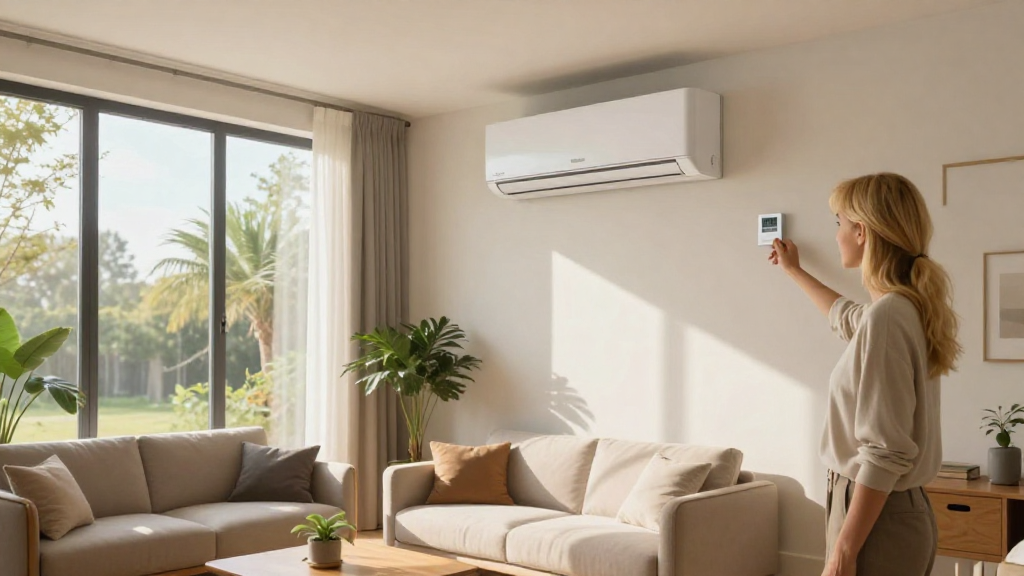
Managing air conditioning and solar heat gain is vital for maintaining comfort and energy efficiency in your home. When you understand how solar heat gain works, you can take steps to minimize its impact while optimizing your air conditioning systems.
What is Solar Heat Gain?
Solar heat gain refers to the increase in temperature inside a building due to sunlight. This phenomenon can lead to significant increases in your indoor temperature, directly affecting your air conditioning requirements.
When sunlight enters through windows, it can warm up your indoor space quickly.
This effect is especially pronounced in areas with large glass surfaces or where sunlight shines directly into the living space.
Understanding and managing solar heat gain is essential for effective climate control in the home.
How Does Air Conditioning Help Manage Solar Heat Gain?
Air conditioning systems are designed to cool indoor spaces, making them a necessary component for managing solar heat gain.
Here’s how air conditioning and solar heat gain interact:
- Cooling Effect: Air conditioning works by removing heat from your indoor air and maintaining a comfortable climate.
- Dehumidification: These systems also help remove humidity, which can create a more comfortable environment.
- Ventilation: Some air conditioning units offer ventilation options, ensuring that fresh air circulates in while keeping excess heat out.
By understanding these functions, homeowners can effectively use air conditioning to combat solar heat gain.
What Are the Best Strategies for Minimizing Solar Heat Gain?
To effectively manage air conditioning and solar heat gain, consider implementing these strategies:
1. Install Energy-Efficient Windows
- Low-E Glass: Look for windows with low emissivity (Low-E) coatings. These windows reflect heat while allowing natural light to enter.
- Double Glazing: Double-glazed windows provide an extra layer of insulation.
- Hurricane Shutters: Install exterior shading options to block direct sunlight.
2. Use Window Treatments Wisely
- Blinds and Shades: Use reflective blinds and shades during peak sunlight hours to block unwanted heat.
- Curtains: Heavy, insulated curtains can keep the heat out and provide additional insulation.
- Window Films: Consider window films designed to reflect heat and UV light without compromising visibility.
3. Enhance Your Home’s Insulation
- Attic Insulation: Ensure your attic is properly insulated to prevent heat from migrating into your living spaces.
- Wall Insulation: Invest in wall insulation to create a thermal barrier that keeps the heat out and cool air in.
4. Optimize Your Air Conditioning System
- Regular Maintenance: Schedule regular maintenance and cleaning for your air conditioning unit.
- Thermostats: Use programmable or smart thermostats to monitor and adjust cooling needs based on solar heat gain.
- Duct Sealing: Ensure your ductwork is well-sealed to prevent cool air from escaping and warm air entering the system.
5. Landscaping Solutions
- Shade Trees: Planting trees strategically can provide natural shade to your home.
- Vines and Trellises: Use climbing plants to provide shade over windows and walls, reducing direct sun exposure.
What Technologies Help Manage Solar Heat Gain with Air Conditioning?
In the modern world, technology plays a significant role in managing air conditioning and solar heat gain. Consider integrating the following technologies into your home:
1. Smart Home Systems
- Smart Thermostats: Programmable systems can adjust cooling needs based on weather forecasts and indoor temperature readings.
- Automated Blinds: Integrate automated window treatments that respond to sunlight levels.
2. Reflective Roofing
- Cool Roof Technologies: Choose roofing materials that reflect solar rays, reducing heat absorption.
- Roof Coatings: Apply reflective coatings to existing roofs for added heat reduction.
3. Centralized Cooling Systems
- Zoned Air Conditioning: Systems that allow you to cool specific areas of your home can be very effective in managing solar heat gain.
- Variable Speed Compressors: These can adjust the cooling output according to the indoor heat load.
How Can Energy Efficiency Reduce the Burden of Air Conditioning Costs?
Managing air conditioning and solar heat gain not only increases comfort but also improves energy efficiency, helping reduce utility bills. To achieve this, consider:
1. Energy Audits
- Conduct an energy audit to understand heat loss sources and areas for improvement in your home.
2. Upgrade HVAC Systems
- Consider upgrading to a more energy-efficient HVAC system that uses less energy to maintain comfortable temperatures.
3. Utilize Renewable Energy Sources
- Solar Panels: Installing solar panels can reduce dependence on traditional energy sources and lower costs over time.
- Solar Water Heaters: These can complement your heating and cooling systems, reducing overall energy consumption.
In Summary
Managing air conditioning and solar heat gain is critical for maintaining a comfortable living environment and reducing energy bills. By implementing effective strategies and utilizing modern technologies, homeowners can significantly minimize the impact of solar heat gain.
From energy-efficient windows and proper insulation to advanced HVAC systems, there are numerous ways to enhance indoor comfort while keeping energy consumption in check.
Investing in these practices not only benefits your wallet but contributes to a more sustainable environment.
With the right approach, you can effectively navigate the challenges of air conditioning while enjoying a cool, comfortable home despite the hottest of summer days.