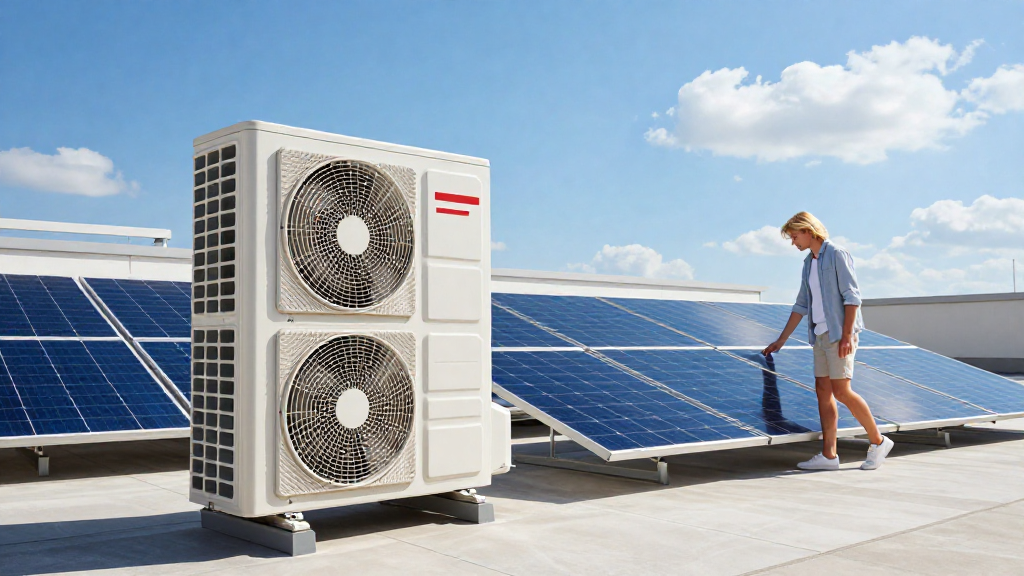
As energy efficiency becomes a priority for homeowners and businesses alike, the combination of air conditioning and solar panels emerges as an environmentally friendly and cost-effective solution for cooling.
What Are the Benefits of Combining Air Conditioning and Solar Panels?
The benefits of integrating air conditioning and solar panels are numerous, including:
- Cost Savings: By utilizing solar energy to power your air conditioning system, you can significantly reduce your electricity bills.
- Environmental Impact: Solar energy is a renewable resource. By using it, you diminish your reliance on fossil fuels and decrease your carbon footprint.
- Increased Property Value: Homes with solar panels tend to have higher property values. Potential buyers often see the benefits of energy-efficient upgrades.
- Energy Independence: Relying on solar power gives you more control over your energy costs and reduces vulnerability to utility price hikes.
How Do Air Conditioning and Solar Panels Work Together?
When you combine air conditioning and solar panels, your air conditioning unit is powered by the electricity generated from your solar panels. This process can be broken down into a few simple steps:
-
Solar Panel Installation: First, install solar panels on your roof or property. These panels convert sunlight into electricity.
-
Electrical Connection: Once installed, the solar panels connect to your home’s electrical system.
-
Energy Consumption: Your air conditioning unit draws power from the electricity generated by the solar panels, especially during peak sun hours when your energy needs are highest.
-
Grid Connection: If your solar panels produce more energy than your air conditioning system needs, the excess electricity can be sent back to the grid, often earning you credits via net metering.
-
Battery Storage (Optional): If you choose to incorporate a battery system, any excess energy can be stored for later use, such as in the evenings when your air conditioning needs may still exist but sunlight isn’t available.
What Type of Solar Panels Work Best for Air Conditioning Systems?
Several types of solar panels are suitable for powering air conditioning systems, each with advantages and disadvantages:
- Monocrystalline Solar Panels:
- Efficiency: Generally the most efficient, converting up to 22% of sunlight into electricity.
- Lifespan: Usually come with warranties of 25 years or more.
-
Space: Requires less space due to high efficiency.
-
Polycrystalline Solar Panels:
- Cost: Typically less expensive than monocrystalline panels.
- Efficiency: Slightly lower efficiency, converting around 15-20% of sunlight into electricity.
-
Lifespan: Generally come with similar warranties as monocrystalline but may be slightly less durable.
-
Thin-Film Solar Panels:
- Flexibility: Lightweight and can be applied to various surfaces.
- Efficiency: Lower efficiency levels, usually around 10-12%, requiring more space for installation.
- Cost: Often the least expensive option.
Your choice of solar panel should depend on your energy needs, budget, and available installation space.
How Can You Maximize Efficiency with Air Conditioning and Solar Panels?
To get the most out of your combined air conditioning and solar panels, consider the following tips:
-
Choose Energy-Efficient Units:
– Opt for air conditioning systems that have a high SEER (Seasonal Energy Efficiency Ratio) rating.
– The higher the SEER, the more efficient the unit. -
Proper Sizing:
– Ensure that your air conditioning unit is appropriately sized for your space.
– An oversized unit will cycle on and off too frequently, wasting energy; an undersized unit will work overtime, leading to premature wear. -
Install a Programmable Thermostat:
– A programmable or smart thermostat can manage energy use more efficiently, reducing the usage when you’re not home. -
Use Solar Energy During Peak Times:
– Schedule your air conditioning usage during the day when solar energy production is at its peak.
– This maximizes the energy derived from your solar panels. -
Choose a Quality Inverter:
– The inverter converts DC electricity from the solar panels into AC electricity, which is needed for your air conditioning.
– Ensure you select a high-efficiency inverter to minimize energy losses.
What Are the Costs Involved in Pairing Air Conditioning with Solar Panels?
Incorporating air conditioning and solar panels into your home comes with associated costs:
- Initial Installation Costs:
- The average cost for solar panel installation ranges between $15,000 – $25,000, depending on your location and system size.
-
Air conditioning systems can cost between $3,000 – $10,000, including installation.
-
Maintenance Costs:
- Solar panels require minimal maintenance. Cleaning a couple of times a year and check-ups can cost between $100 – $300 annually.
-
Air conditioning units also require regular maintenance, typically costing $100 – $300 annually for inspections and servicing.
-
Incentives and Rebates:
- Research local, state, and federal incentives which may significantly subsidize the upfront cost of both solar panels and air conditioning systems.
- Many areas offer tax credits, rebates, and incentives aimed at encouraging solar adoption and energy efficiency.
How Can You Get Started with Air Conditioning and Solar Panels?
If you’re interested in combining air conditioning and solar panels, follow these steps to get started:
-
Assess Your Energy Needs:
– Analyze your monthly energy consumption to determine how much power you’ll need from solar panels. -
Conduct an Energy Audit:
– This will help you identify inefficiencies in your current system and the best air conditioning units for your home. -
Choose a Qualified Contractor:
– Look for contractors specializing in solar and HVAC systems.
– Check reviews, ask for references, and confirm they have certifications. -
Evaluate Financing Options:
– Explore different financing methods, such as solar loans, leases, or power purchase agreements (PPAs). -
Install and Monitor:
– After installation, monitor your system’s performance to ensure it meets efficiency standards and adjust settings as needed.
Conclusion
Combining air conditioning and solar panels is not just a smart investment, but also a necessary step toward a sustainable future.
By understanding the benefits, maximizing efficiency, and researching your options, you can create a comfortable living space while significantly reducing your energy costs and environmental impact.
The transition to a greener lifestyle is more manageable than ever, and with the right planning, both air conditioning and solar panels can work harmoniously to keep you cool while saving the planet.