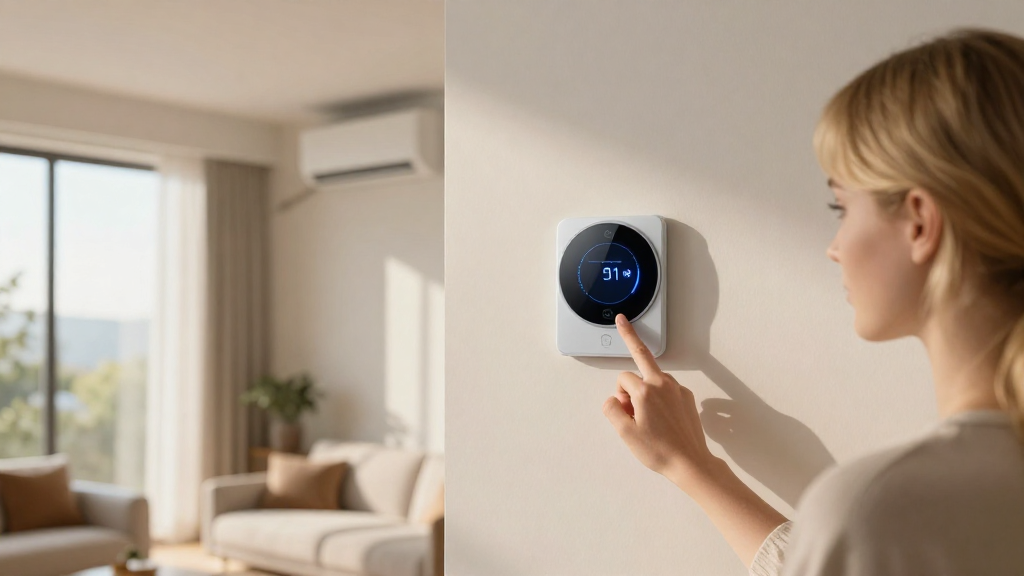
Understanding how to effectively integrate air conditioning and temperature sensors can significantly enhance your climate control efficiency.
In this article, we’ll explore the functionality, benefits, and installation of temperature sensors in relation to air conditioning systems.
What Are Temperature Sensors?
Temperature sensors are devices utilized to measure the temperature of an environment.
When coupled with an air conditioning system, they serve a critical role in regulating indoor climate conditions efficiently.
There are various types of temperature sensors used in HVAC systems, including:
- Thermocouples
- Thermistors
- RTD (Resistance Temperature Detectors)
Each type has unique characteristics that make it suitable for specific applications within air conditioning.
How Do Temperature Sensors Improve Air Conditioning Efficiency?
Integrating temperature sensors into your air conditioning setup can lead to improved energy efficiency and better control of indoor air quality.
Here’s how:
-
Real-Time Monitoring: Sensors provide continuous readings of indoor temperature, enabling immediate adjustments to the cooling system.
-
Zone Control: With temperature sensors, you can establish different zones within a building, allowing for customized cooling based on occupancy and preference.
-
Energy Savings: By ensuring the air conditioning system only works when necessary and at optimal levels, sensors help reduce energy consumption and cost.
-
System Longevity: Consistent monitoring prevents over-exertion of the air conditioning unit, leading to fewer repairs and an extended lifespan.
Which Temperature Sensors Are Best for Air Conditioning?
Not all temperature sensors are created equal when paired with air conditioning.
When choosing one, consider the following types based on your specific needs:
Thermocouples
- Pros: Fast response time and wide temperature range.
- Cons: May require more sophisticated interfacing.
Thermistors
- Pros: High sensitivity and more precise temperature readings.
- Cons: Limited temperature range compared to thermocouples.
RTDs
- Pros: Exceptional accuracy and stability over time.
- Cons: Higher cost and slower response than thermistors.
Choosing the right type will depend on your specific air conditioning system requirements and budget.
How Can You Install Temperature Sensors with Air Conditioning?
Installing temperature sensors as part of your air conditioning system might seem overwhelming, but it’s straightforward with the right approach.
Let’s break it down into manageable steps:
1. Identify Locations
- Mount temperature sensors where they can accurately assess the air temperature without interference from heat sources or drafts.
- Common locations include living rooms, hallways, and bedrooms.
2. Select the Right Sensor Type
- Based on the earlier recommendations, evaluate the requirements of your air conditioning system to choose the best sensor.
3. Wiring and Connection
- Follow the manufacturer’s manual for wiring instructions.
- Ensure you connect the sensor to the thermostat or HVAC control unit correctly.
4. Calibrate the Sensor
- After installation, calibration is crucial for accurate readings.
- Refer to the device’s manual for calibration guidelines.
5. Test the System
- Turn on your air conditioning system to check if the temperature readings from the sensors are accurate.
- Make adjustments if necessary.
What Are Common Issues with Temperature Sensors in Air Conditioning?
While temperature sensors enhance air conditioning systems, they can be subject to various issues.
Here are some common problems to be aware of:
- Incorrect Readings: Dust or debris accumulation can lead to inaccurate temperature readings.
- Sensor Placement: Inappropriate locations can result in misleading information, affecting cooling decisions.
- Connectivity Issues: Loose wiring can interrupt communication between the sensor and the air conditioning control system.
Regular maintenance and periodic checks can help mitigate these issues and ensure optimal performance.
How Can You Optimize the Use of Temperature Sensors with Air Conditioning?
To maximize the benefits derived from integrating air conditioning and temperature sensors, consider the following strategies:
-
Schedule Regular Maintenance: Ensure both the air conditioning unit and sensors are professionally serviced periodically.
-
Use Smart Thermostats: Pair temperature sensors with smart thermostats that can learn preferences and adjust automatically.
-
Utilize Programmable Settings: Take advantage of programmable features to ensure the air conditioning operates efficiently during specific times of day.
-
Analyze Data Trends: If your system allows, analyze temperature data to identify patterns and optimize cooling schedules.
-
Leverage Zoning Systems: Implement zoning systems that take advantage of multiple temperature sensors for improved control and comfort.
What Are the Benefits of Using Temperature Sensors in Your Air Conditioning?
The advantages of incorporating temperature sensors into your air conditioning setup are manifold:
- Enhanced Comfort: Improved temperature accuracy leads to a more comfortable indoor environment.
- Energy Conservation: Smart adjustments minimize energy waste, leading to reduced utility bills.
- Customization: Ability to tailor cooling strategies to meet specific needs of different rooms or times.
- Temperature Stability: Improved regulation contributes to a consistently pleasant atmosphere.
Conclusion
Understanding how to use air conditioning and temperature sensors is vital for optimizing your cooling system’s performance.
By selecting the right sensors, integrating them effectively, and maintaining your system, you can enjoy increased energy efficiency, enhanced comfort, and lower operational costs.
If you’re looking to enhance your climate control, investing in the appropriate temperature sensors is a step in the right direction.
Don’t hesitate to reach out to HVAC professionals for tailored advice or assistance in integrating these systems for maximum effectiveness.