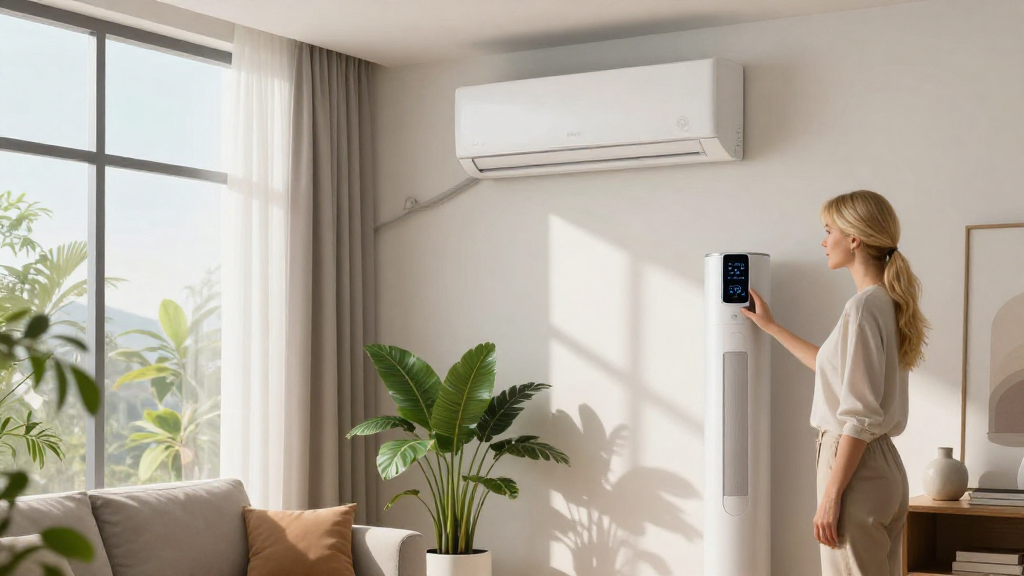
Air conditioning and VOCs are two often-overlooked elements in creating a healthier indoor environment.
In this article, we will explore the connection between air conditioning systems and the reduction of VOCs (volatile organic compounds) in your home or office.
What Are VOCs and Why Are They a Concern?
VOCs are organic chemicals that evaporate at room temperature, which makes them prevalent in many household products.
They can be found in:
- Paints
- Cleaning supplies
- Air fresheners
- Adhesives
- Furnishings
- Carpets
Exposure to VOCs can lead to a range of health issues, including:
- Eye irritation
- Headaches
- Dizziness
- Allergic skin reactions
- Long-term respiratory problems
Given their potential impact on health, understanding how to reduce VOCs with air conditioning is crucial for creating a safe and comfortable living or working environment.
How Does Air Conditioning Help Reduce VOCs?
So, how can air conditioning systems play a role in reducing the presence of VOCs?
Here are a few ways:
-
Filtration: Most modern air conditioning systems come with high-efficiency particulate air (HEPA) filters that capture dust, dander, and even some VOCs.
-
Ventilation: Air conditioning systems promote ventilation, which helps to dilute indoor air pollutants, including VOCs.
-
Humidity Control: Maintaining optimal humidity levels prevents mold growth, a common source of indoor VOCs. AC systems inherently dehumidify indoor air.
-
Temperature Regulation: Extreme temperatures can exacerbate the release of VOCs from materials in your home. Air conditioners help maintain a stable environment, reducing emissions.
By understanding these mechanisms, you can leverage air conditioning to improve indoor air quality effectively.
Which Types of Air Conditioning Systems Are Best for Reducing VOCs?
When considering air conditioning and VOCs, the type of system you choose can significantly affect its ability to reduce indoor air pollution.
Here are the best options:
-
Central Air Conditioning Systems
– These systems circulate cool air through ducts and are equipped with advanced filters that can capture VOCs effectively. -
Ductless Mini-Split Systems
– Offering flexibility and localized cooling, ductless systems often have multi-stage filtration that can help reduce indoor air pollutants. -
Window Air Conditioners
– While less efficient than central systems, many newer models come with built-in filters that can help reduce VOC concentrations. -
Portable Air Conditioners
– These units are versatile and can be positioned where needed and often contain filters that can reduce VOCs.
Choose the system that best fits your space and needs to maximize the air conditioning and VOCs connection.
How Can You Optimize Your Air Conditioning System to Reduce VOCs?
Here are some actionable tips to optimize your air conditioning for better VOC reduction:
1. Regular Maintenance
- Schedule regular service for your air conditioning unit.
- Clean or replace filters as recommended by the manufacturer.
- Check ductwork for leaks that may allow unfiltered air to enter.
2. Use High-Quality Filters
- Invest in HEPA or activated carbon filters, as they can trap smaller particles and certain VOCs.
- Look for filters with a Minimum Efficiency Reporting Value (MERV) rating between 8 and 13 for effective VOC reduction.
3. Improve Ventilation
- Ensure your air conditioning system allows for fresh air intake.
- Open windows when weather permits to help dilute indoor air pollutants.
- Consider installing an energy recovery ventilator (ERV) for controlled ventilation.
4. Monitor Indoor Air Quality
- Use an indoor air quality monitor to check VOC levels regularly.
- Adjust your ventilation and air conditioning settings based on real-time data.
5. Choose Low-VOC Products
- When purchasing new furniture, paint, or cleaning supplies, look for items labeled as “low-VOC” or “zero-VOC.”
- Using eco-friendly products reduces the amount of VOCs released into the air.
6. Maintain Humidity Levels
- Use a dehumidifier if necessary, to keep humidity levels between 30-50%.
- Regularly check and clean drain pans in your air conditioning system to prevent mold growth.
By implementing these strategies, you’ll be effectively using air conditioning and VOCs to create a healthier indoor environment.
What Role Does Humidity Play in VOC Reduction?
Understanding the importance of humidity can significantly affect your approach to air conditioning and VOCs.
Here’s how humidity impacts VOC levels:
-
High Humidity: It can increase the rate of VOC off-gassing from materials in your home. Keeping humidity in check helps minimize these emissions.
-
Low Humidity: While this can help reduce VOC emissions, excessively dry conditions can lead to discomfort and respiratory issues. Finding a balance is key.
Air conditioning helps maintain optimal humidity levels, preventing mold and reducing VOC emissions simultaneously.
Conclusion: A Healthier Home Awaits with Air Conditioning and VOCs
In summary, air conditioning systems can serve as an effective tool in reducing indoor VOC levels.
By choosing the right system, performing regular maintenance, and monitoring air quality, you can leverage air conditioning and VOCs to foster a healthier indoor environment.
Taking these steps will not only improve your comfort but also promote better health for everyone in your home or workplace.
Final Action Steps:
- Evaluate your current air conditioning system.
- Implement regular maintenance practices.
- Invest in better filters to reduce VOC levels.
Your indoor air quality is an essential aspect of your overall health, and by focusing on air conditioning and VOCs, you’re making a positive change.
Take action today for a cleaner, healthier tomorrow!