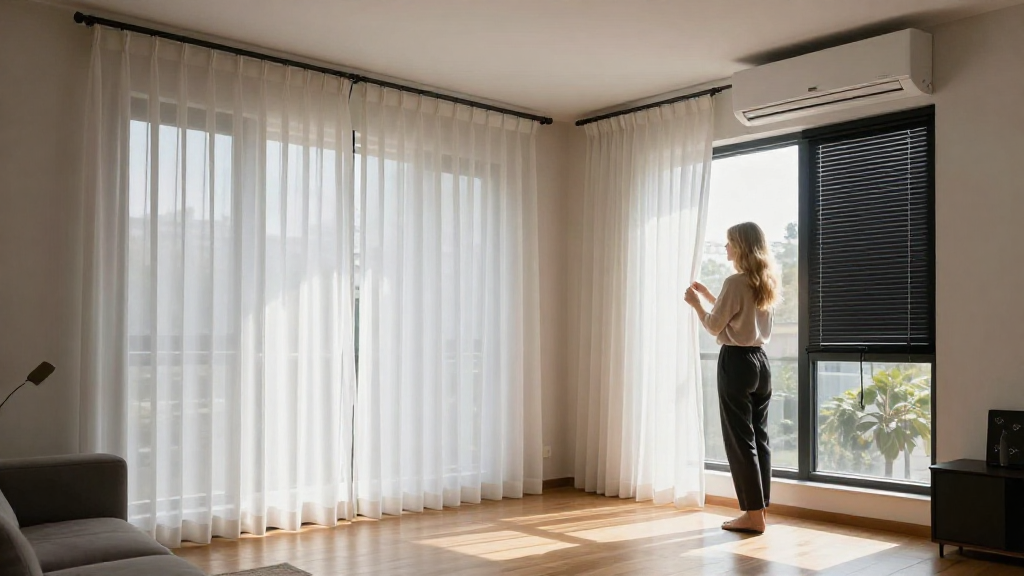
When it comes to air conditioning and window coverings, knowing how to combine them effectively can greatly enhance your indoor comfort while reducing energy costs.
Why Are Window Coverings Important for Air Conditioning?
Window coverings can play a pivotal role in maintaining a comfortable indoor environment.
By strategically using shades, curtains, and blinds, you can:
- Reduce Heat Gain: Properly chosen window coverings can block out intense sunlight that heats your rooms.
- Enhance Privacy: Keeping your space private while regulating temperature is a bonus.
- Lower Energy Bills: Effective window coverings contribute to lower air conditioning costs.
Air conditioning and window coverings work hand in hand to maximize home efficiency.
Which Window Coverings Work Best?
Choosing the right window coverings is crucial. Here are some options to consider:
-
Blackout Curtains:
– Perfect for blocking out sunlight entirely.
– Helps to maintain cooler temperatures during hot days. -
Reflective Blinds:
– Reflect sunlight away from your windows.
– Ideal for reducing indoor heat. -
Light Filtering Shades:
– Allows natural light while deflecting harmful UV rays.
– Keeps your space bright without overheating. -
Cellular Shades:
– Designed to trap air within the cells, providing added insulation.
– Excellent for both hot and cold climates. -
Shutters:
– Offer durability and aesthetic appeal.
– Helps in controlling light and airflow effectively.
By utilizing these effective window covering types, you maximize the synergy between your air conditioning and window coverings.
How Can You Optimize Air Conditioning with Window Coverings?
Here are some effective strategies to ensure you’re getting the most out of your air conditioning and window coverings:
1. Close Window Coverings During Peak Sunlight
During the hottest parts of the day, close your window coverings to keep indoor temperatures down.
- This prevents your rooms from absorbing excess heat.
- You can even use a programmable timer to automate the process.
2. Use Insulated Window Coverings
Investing in insulated window coverings can significantly reduce energy loss.
- Energy-efficient Options: Cellular shades and thermal curtains are excellent choices.
- Reduce energy consumption by keeping the cold air in and the heat out.
3. Experiment with Layering
Layering different types of window coverings can provide enhanced thermal benefits.
- Combine sheer curtains with blackout ones for versatility.
- This allows you to adjust light and temperature based on your preferences.
4. Keep Windows Clean
Clean your windows regularly to ensure maximum efficiency from your window coverings.
- Dust and dirt can block sunlight and reduce the effectiveness of your window treatments.
- Use appropriate cleaning materials to avoid damaging any surface.
5. Consider Outdoor Shading Solutions
Outdoor solutions can complement indoor window coverings effectively.
- Awnings and exterior shades can block direct sunlight before it hits the glass.
- This dramatically lowers heat gain indoors, allowing your air conditioning to run more efficiently.
6. Utilize Smart Technology
Integrating smart technology with your window coverings can optimize comfort.
- Smart Blinds: Automate your blinds to open and close based on sunlight exposure and temperature.
- Use smartphone apps to monitor and control multiple windows simultaneously.
What Are the Benefits of Boosting Air Conditioning Efficiency?
Investing time in aligning your air conditioning and window coverings can yield numerous benefits:
- Reduce Energy Costs: Using window coverings efficiently can lead to significant savings on your electric bill.
- Increase Comfort: Maintain a comfortable home environment without over-relying on air conditioning.
- Environmental Impact: Lower energy usage contributes to a smaller carbon footprint.
- Extended Life of HVAC Systems: An air conditioning unit that doesn’t work as hard lasts longer and requires less maintenance.
How Do Window Coverings Affect Air Quality?
Surprisingly, window coverings can also impact indoor air quality.
Using materials that are non-toxic and hypoallergenic can:
- Reduce the presence of dust and allergens in your space.
- Enhance airflow and natural light while maintaining temperature control.
It’s essential to consider both the practicality of air conditioning and window coverings and their overall effects on your living space.
Are There Any Mistakes to Avoid?
While using air conditioning and window coverings, you might inadvertently make some common mistakes:
-
Neglecting Window Size: Choosing window treatments that don’t fit can lead to inefficiency.
-
Ignoring Color Choices: Lighter colors reflect heat, while darker colors absorb it. Choose according to your needs.
-
Forget to Measure: Always measure twice before purchasing to ensure a perfect fit.
-
Forgetting to Close Them: Don’t leave blinds or curtains open during sunny days; it negates all your efforts.
-
Updating at Home: Ensure your window coverings stay modern and room-appropriate for the best performance.
Conclusion
Combining air conditioning and window coverings is a savvy approach to achieving an energy-efficient home.
By carefully selecting the right window treatments and utilizing smart strategies, you can significantly enhance your indoor comfort.
Whether you choose blackout curtains, reflective blinds, or cellular shades, each option can contribute to a healthier home environment and improved energy consumption.
With the right knowledge, you can transform your space into a comfortable sanctuary while maximizing the efficiency of your air conditioning system.
By following these tips, you’ll ensure you’re not only boosting comfort, but also making significant strides towards energy efficiency.