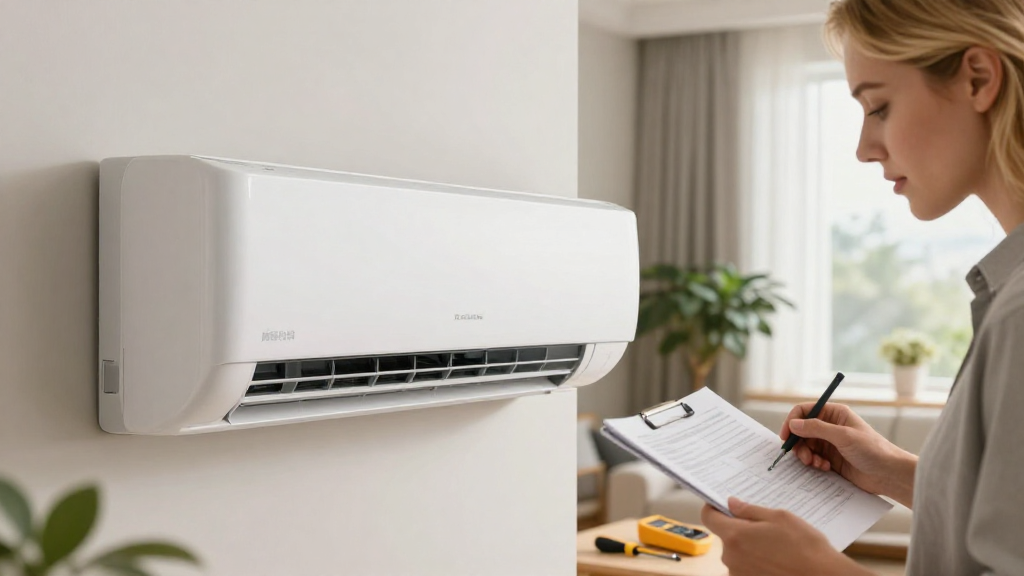
Understanding air conditioning basics is essential for homeowners and business owners alike.
Air conditioning units are now a standard feature in residential and commercial spaces, making it important to grasp the fundamentals of how they work.
What Are the Key Components of Air Conditioning Basics?
To dive into air conditioning basics, let’s first explore the core components that make up an air conditioning system:
-
Compressor:
– Often referred to as the heart of the system.
– It compresses refrigerant gas to raise its pressure and temperature. -
Condenser Coil:
– Located outside, it cools the hot refrigerant gas.
– As the gas cools, it changes into liquid refrigerant. -
Expansion Valve:
– Lowers the pressure of the liquid refrigerant, causing it to expand.
– This process helps cool the refrigerant before it enters the evaporator coil. -
Evaporator Coil:
– Found inside the home, it absorbs heat from the indoor air.
– The refrigerant evaporates into gas, cooling the air in the process. -
Air Handler:
– Responsible for circulating air throughout your living space.
– It often includes a blower to push air through the system.
Now, let’s break down the air conditioning basics to help you understand how each component functions together to provide cool, comfortable air.
How Does an Air Conditioning System Work?
Learning how air conditioning systems operate can be simplified into a cyclic process:
-
Refrigerant Compression:
– The compressor takes in low-pressure refrigerant gas and compresses it into a high-pressure gas. -
Heat Dissipation:
– The hot, high-pressure gas flows to the condenser coil, where it releases heat to the outside.
– As it cools, it transforms back into liquid refrigerant. -
Cooling the Air:
– The cooled liquid refrigerant passes through the expansion valve.
– This causes a rapid drop in pressure, cooling it further. -
Absorbing Indoor Heat:
– The cold refrigerant enters the evaporator coil.
– As warm air from the room blows over the coil, it transfers heat to the refrigerant, which then evaporates, cooling the indoor air. -
Circulating Cool Air:
– The now-warmed refrigerant returns to the compressor, and the cycle continues.
By understanding this cycle, you’ll have a solid grasp of the air conditioning basics necessary for troubleshooting or maintaining your system.
What Are the Common Types of Air Conditioning Systems?
When learning about air conditioning basics, it’s also important to recognize the different types of air conditioning systems available:
-
Central Air Conditioning:
– Ideal for: Whole-home cooling.
– Cool air is distributed through ductwork. -
Ductless Mini-Split Systems:
– Ideal for: Homes without ductwork.
– These systems use individual units mounted on walls. -
Window Units:
– Ideal for: Single rooms.
– Compact and install directly in a window. -
Portable Air Conditioners:
– Ideal for: Flexibility.
– These can be moved and set up in various locations. -
Hybrid Systems:
– Ideal for: Energy efficiency.
– Combines traditional air conditioning methods with alternative energy sources.
Recognizing the different types of systems not only assists in choosing the right one but also deepens your understanding of air conditioning basics.
What Are the Basic Maintenance Tips for Air Conditioning?
Learning the air conditioning basics also involves understanding how to maintain your system. Here are some essential maintenance tasks:
-
Regular Filter Replacement:
– Change filters every 1–3 months.
– A clean filter improves airflow and efficiency. -
Clean the Coils:
– Keep both the evaporator and condenser coils clean.
– Dust and debris can severely hamper performance. -
Check Refrigerant Levels:
– Low refrigerant can mean leaks.
– Always seek professional help if levels are low. -
Inspect Ductwork:
– Look for leaks or blockages in duct systems.
– Proper insulation ensures optimal performance. -
Seasonal Professional Tune-ups:
– Schedule annual maintenance with an HVAC professional.
– This helps catch potential issues before they become serious.
By implementing these maintenance tasks, you can ensure your air conditioning system runs efficiently, extending its lifespan and enhancing performance.
What Are Signs That You Need to Learn More About Air Conditioning Basics?
Sometimes, understanding air conditioning basics is not enough, especially if your system displays specific symptoms. Here are signs that it may be time for further learning or professional help:
-
Unusual Noises:
– Loud bangs, rattles, or hissing can indicate mechanical issues. -
Poor Airflow:
– Weak airflow can signify clogged filters or a failing blower. -
Increased Energy Bills:
– If bills spike without an increase in usage, it could mean inefficiency. -
Frequent Cycling:
– If the unit turns on and off frequently, there might be a problem with the thermostat. -
Humidity Issues:
– If the air feels muggy, your system may not be properly dehumidifying.
Recognizing these signs helps you to decide if you should delve deeper into the world of air conditioning basics or consult a professional.
How Can You Learn More About Air Conditioning Basics?
Expanding your knowledge about air conditioning basics can be done through several effective methods:
-
Online Courses:
– There are numerous platforms offering training on HVAC systems.
– Look for courses that cover both theory and hands-on practice. -
DIY Reads:
– Books and e-books focusing on HVAC systems and maintenance can be immensely helpful. -
YouTube Tutorials:
– Video content can provide visual understanding.
– Search for channels dedicated to HVAC repair and maintenance. -
Community College Classes:
– Many community colleges offer courses in HVAC technology.
– These classes often include practical training. -
Manufacturer’s Manuals:
– Reading the manual for your specific air conditioning unit provides insights into operation and troubleshooting.
Conclusion
Mastering air conditioning basics provides a foundational understanding that is vital for effective maintenance and troubleshooting of your air conditioning system.
By exploring the key components, operational principles, types, maintenance tips, warning signs, and avenues for further learning, you’ll be well-equipped to handle your air conditioning needs confidently.
Make it a priority to familiarize yourself with the air conditioning basics to ensure your home or business stays cool and comfortable all year round!