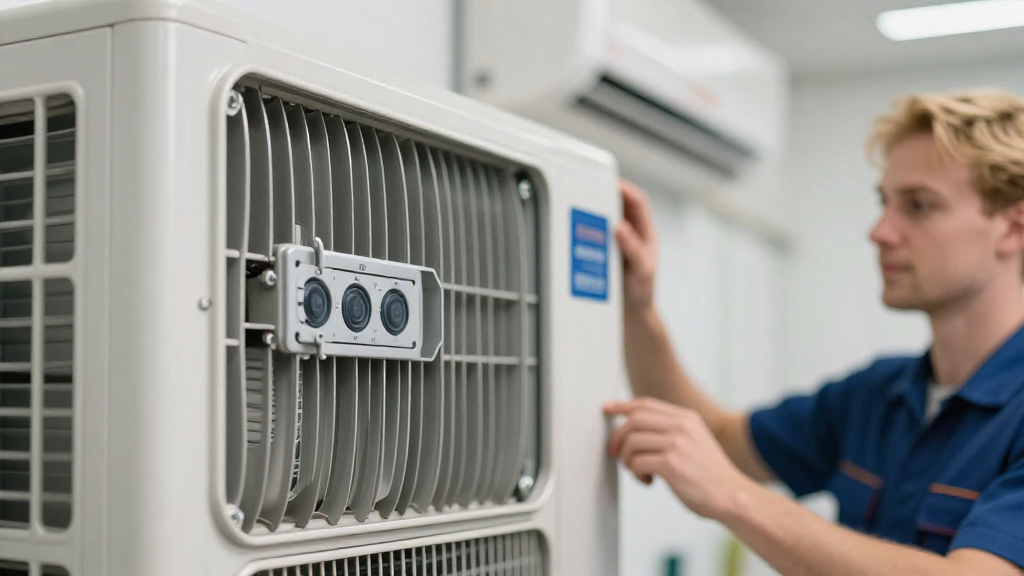
Air conditioning damper control plays a crucial role in the efficiency and effectiveness of your HVAC system.
By managing the airflow, dampers help optimize temperature and air quality in different areas of your home or building.
In this article, we’ll explore the various ways to control dampers and the impact they have on your air conditioning system.
What Are Air Conditioning Dampers?
Air conditioning dampers are mechanical devices used to regulate the airflow within the ductwork of your HVAC system.
They can be found in various types, including:
- Manual Dampers: Operated by hand for simple, on-the-spot adjustments.
- Motorized Dampers: Automatically controlled by your thermostat or building management system.
- Zone Dampers: Designed to control airflow to specific zones or rooms.
Understanding how to manipulate these dampers is essential for efficient air conditioning damper control.
Why Is Air Conditioning Damper Control Important?
Effective air conditioning damper control offers several benefits, including:
- Improved Energy Efficiency: Proper control reduces energy consumption, leading to lower utility bills.
- Enhanced Comfort: Balancing airflow helps maintain a consistent temperature throughout your home.
- Better Indoor Air Quality: Regulated airflow can minimize dust and allergens from circulating in your space.
By understanding the importance of dampers, you can make informed choices about their operation.
How Can You Control Dampers in an Air Conditioning System?
Managing dampers effectively involves several options. Here are some practical methods for air conditioning damper control:
1. Manual Control
Manual dampers provide direct, hands-on control.
To adjust these dampers:
- Locate the manual damper lever in your ductwork.
- Turn the lever to the desired position (fully open, partially open, or closed).
- Check airflow and temperature in the affected area to ensure comfort.
This method is simple and requires no additional technology, making it a great choice for smaller systems.
2. Motorized Control
Motorized dampers can be integrated into your existing HVAC system to enable automated adjustments based on specific criteria.
To control motorized dampers:
- Install a Smart Thermostat: Ensure your thermostat is compatible with motorized dampers.
- Set Up Zone Control: Divide your space into different zones for independent temperature settings.
- Configure the System: Follow the manufacturer’s instructions to program the dampers’ operation with your thermostat.
Motorized dampers are ideal for larger homes or commercial buildings where airflow needs to be dynamically adjusted.
3. Zoned Systems
A zoned air conditioning system utilizes multiple dampers to control temperatures in different areas.
To optimize air conditioning damper control in a zoned system:
- Identify Zones: Determine which areas need independent temperature controls.
- Install Zone Dampers: Fit adjustable dampers in the ductwork leading to each zone.
- Use a Central Control Panel: Monitor and manage the temperatures of each zone efficiently.
Zoned systems are highly effective in reducing energy use while ensuring comfort across various living spaces.
4. Manual Balancing
Balancing your system involves adjusting the dampers in each duct to equalize airflow across your entire HVAC system.
For manual balancing:
- Start with a thorough inspection of all registers and dampers.
- Open or close dampers incrementally and observe temperature changes.
- Check for airflow at each vent using a velometer or similar tool, adjusting until balanced.
Regular manual balancing maintains optimal performance, especially in older or less efficient systems.
What Tools Are Needed for Air Conditioning Damper Control?
Controlling dampers can be done with various tools, depending on your approach. Here are some essential tools you may need:
- Screwdriver: For adjusting screws on manual dampers.
- Thermometer: To check air temperature in different zones.
- Velometer: An airflow measuring device for accurate balancing.
- Smart Thermostat: For automated control of motorized dampers.
Having the right tools simplifies the control process and helps you achieve better results.
Can You Automate Air Conditioning Damper Control?
Absolutely! Automating your dampers can save time and enhance efficiency.
There are several ways to achieve air conditioning damper control through automation:
- Smart Thermostats: These devices connect to multiple dampers and can adjust settings based on smart technology.
- Building Management Systems (BMS): For large commercial buildings, a BMS can seamlessly manage HVAC systems, including dampers.
- Smart Home Integrations: Devices that sync with home automation platforms, allowing you to control dampers remotely via smartphone apps.
Utilizing automation can help maintain optimal comfort throughout your home with minimal effort.
What Are the Signs of Damper Issues?
Recognizing issues with your dampers early on can prevent more significant problems later. Some common signs include:
- Uneven Temperatures: Some rooms are significantly warmer or cooler than others.
- Increased Utility Bills: A spike in energy consumption could indicate airflow issues.
- Unusual Noises: Rattling or banging sounds may indicate loose or damaged dampers.
- Poor Air Quality: Increased dust or allergens may result from poor airflow management.
If you notice any of these signs, consider consulting an HVAC professional to examine your damper control system.
Conclusion: Mastering Air Conditioning Damper Control
Effective air conditioning damper control is vital for enhancing the comfort and efficiency of your HVAC system.
By understanding the types of dampers available, how to control them, and the importance of regular adjustments, you can ensure a well-functioning environment.
Whether you prefer manual, motorized, or zoned systems, following the tips outlined in this article will help you achieve optimal comfort and energy efficiency in your space.
For any lingering doubts or technical issues, don’t hesitate to reach out to an HVAC expert for advice tailored to your specific needs.