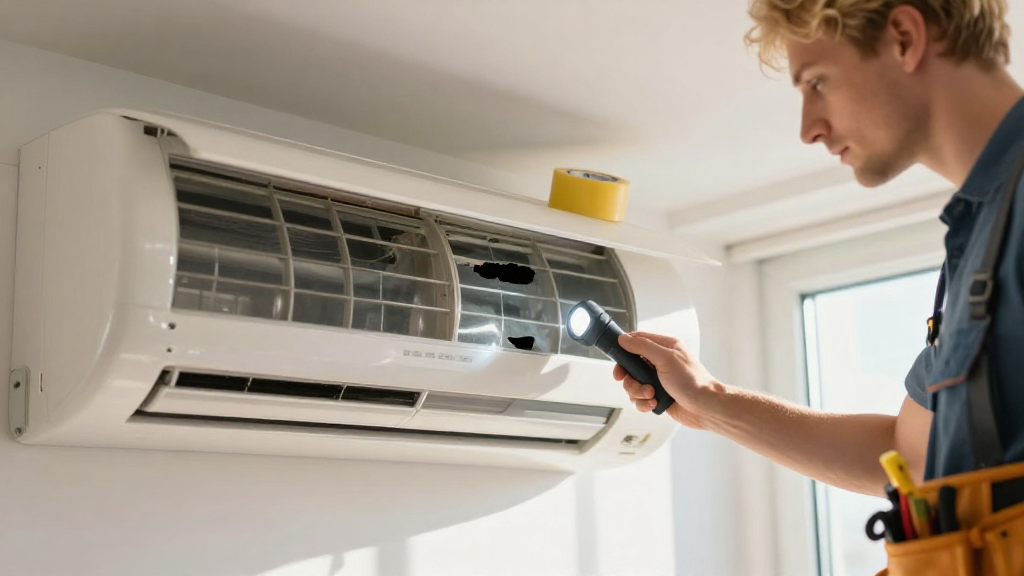
Air conditioning duct leakage can significantly affect your home’s comfort and energy efficiency.
In this article, we’ll explore how to effectively detect and fix duct leaks in your air conditioning system.
What are Air Conditioning Duct Leaks?
Air conditioning duct leakage refers to the unintentional release of conditioned air from the ductwork before it reaches its intended destination.
These leaks can occur in various parts of your air conditioning system, including:
- Joints and seams in the ductwork
- Deteriorated insulation
- Cracks or holes in the ducts
Air conditioning duct leakage can lead to:
- Increased energy bills due to inefficiencies
- Uneven temperature distribution in your home
- Decreased indoor air quality
How Can You Detect Air Conditioning Duct Leakage?
Detection is the first crucial step in addressing air conditioning duct leakage. Here are some effective methods to identify leaks in your ductwork:
1. Visual Inspection:
- Examine duct joints and seams for any visible gaps, cracks, or signs of wear.
- Check for dirty or dusty areas around the ducts, which can indicate leakage.
2. Listening:
- Turn on your air conditioning system and listen for whistling sounds around ducts.
- Whistles can indicate air escaping from tiny holes or seams.
3. Smoke Tests:
- Use smoke pellets or incense sticks near the joints and seams of the ductwork.
- Observe if the smoke is being drawn toward any holes, which indicates leakage.
4. Thermal Imaging:
- Employ thermal imaging cameras to detect temperature differences in your ductwork.
- Cold air escaping from leaks will show cooler spots in infrared images.
5. Pressure Testing:
- Hire a professional to perform a duct leakage test using a blower door.
- This method measures the airtightness of your entire duct system.
What Tools Do You Need to Fix Air Conditioning Duct Leakage?
Once you detect air conditioning duct leakage, it’s time to gather the right tools for the repair process. Here are some essential tools you may need:
- Mastic sealant or duct tape: For sealing gaps and leaks.
- Foil tape: Ideal for seams and joints.
- Scissors or a utility knife: For cutting tape and insulation.
- Screwdriver or drill: For attaching new duct sections, if necessary.
- Duct insulation: If existing insulation is damaged or missing.
How Do You Fix Air Conditioning Duct Leakage?
Repairing duct leaks doesn’t have to be a complicated task. Here’s a simple guide to fixing air conditioning duct leakage:
1. Seal Small Leaks:
- Use mastic sealant or high-quality duct tape to seal small holes.
- Apply the sealant directly to the leak and smooth it out for a secure seal.
2. Address Larger Gaps:
- For larger leaks, cut pieces of duct material sufficient to cover the hole.
- Use screws to affix the new duct section over any large gaps.
3. Reinforce Seams and Joints:
- Apply foil tape to all seams and joints within your ductwork.
- Ensure a snug fit and cover adequately to prevent future leakage.
4. Insulate the Ducts:
- Wrap exposed ducts with insulated material if you notice insufficient insulation.
- This will not only fix leaks but also improve energy efficiency.
5. Consult a Professional:
- If the problem persists or the leaks are extensive, consider hiring a professional HVAC technician.
- They can perform advanced testing and repairs that ensure your ductwork is thoroughly sealed.
Why is Fixing Duct Leakage Important?
Addressing air conditioning duct leakage is critical for several reasons:
- Energy Efficiency: Sealing leaks helps your cooling system work more efficiently, leading to lower energy bills.
- Improved Comfort: Reduces temperature differences in your home, ensuring even cooling in all areas.
- Enhanced Air Quality: Properly sealed ducts reduce dust and pollutants, leading to healthier indoor air quality.
- Extended Equipment Life: Minimizing the workload on your air conditioning system can enhance its longevity.
What are the Signs of Air Conditioning Duct Leakage?
Recognizing the signs of air conditioning duct leakage is essential for timely repairs. Look out for these indicators:
- Increased energy bills despite consistent usage patterns.
- Hot or cold spots in different rooms.
- Visible moisture or condensation on ducts.
- Unusual noises like hissing or whistling when the system operates.
When Should You Schedule a Professional Inspection?
It’s wise to schedule a professional inspection of your air conditioning duct system under the following conditions:
- Older Home: If your home is more than 10 years old, it’s beneficial to check for potential leaks.
- Renovations: After any renovations, especially if the ductwork was disturbed.
- Frequent Repairs: If you find yourself frequently adjusting the thermostat or requiring repairs.
An inspection can help ensure your system is functioning optimally, preventing the issues associated with air conditioning duct leakage.
Conclusion
Detecting and fixing air conditioning duct leakage is essential for maintaining comfort and energy efficiency in your home.
By regularly inspecting and addressing any identified leaks, you can improve your indoor air quality and reduce energy costs.
Whether you choose to tackle minor repairs yourself or hire a professional for extensive ductwork, timely action will yield significant benefits.
So, keep an eye out for the signs of air conditioning duct leakage and ensure your system operates smoothly all year round!