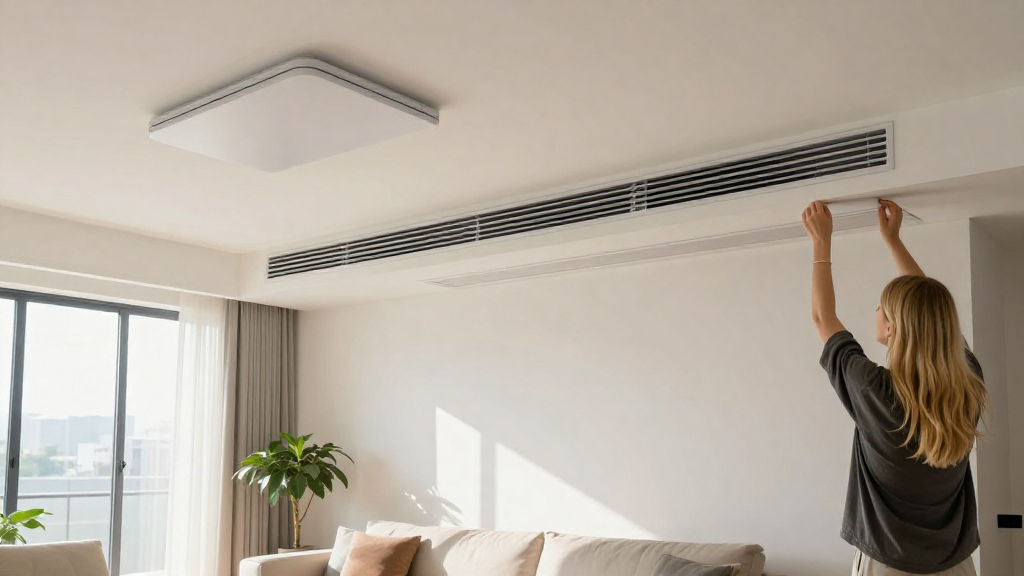
When it comes to maintaining a comfortable indoor environment, the air conditioning duct location plays a pivotal role.
Planning the best location for your AC ducts ensures optimal airflow, energy efficiency, and improved indoor air quality. In this article, we’ll address several key considerations and tips to help you choose the right placement for your air conditioning ducts.
Why Is Air Conditioning Duct Location Important?
Understanding why air conditioning duct location matters can significantly impact your heating and cooling effectiveness.
Here’s why it’s crucial:
-
Airflow Efficiency: Proper duct placement can enhance airflow, delivering cool air where it’s needed the most.
-
Energy Savings: Efficiently placed ducts can reduce energy consumption, lowering your utility bills.
-
Humidity Control: Well-placed ducts help maintain a balanced humidity level, improving comfort and air quality.
-
Reduced Noise: Certain duct locations can minimize noise levels, keeping your home quieter.
-
Aesthetic Impact: Strategic duct placements can help maintain the interior design of your home, avoiding unsightly installations.
What Factors Should You Consider When Choosing Air Conditioning Duct Location?
When determining the ideal air conditioning duct location, several factors should come into play:
-
Room Size and Shape: Larger rooms may require multiple ducts for adequate airflow.
-
Ceiling Height: Higher ceilings may necessitate duct placement closer to the floor to ensure effective circulation.
-
Obstacles: Consider the positioning of furniture, walls, and doors that might obstruct airflow.
-
Home Layout: Open floor plans may need different strategies compared to segmented spaces.
-
Natural Airflow Patterns: Identify where air naturally flows within a room to help direct duct placement.
-
Intended Use of Rooms: Different rooms have varied cooling needs; for example, kitchens may require extra cooling.
How Do You Plan for Air Conditioning Duct Placement?
Planning for air conditioning duct location requires careful thought and execution. Here are steps to guide you through the process:
1. Assess Your Home’s Layout
Begin by examining the overall architecture of your home.
-
Draw a Floor Plan: Create a scale diagram of your home.
-
Identify High Usage Areas: Pinpoint areas where people spend most of their time, like living rooms and bedrooms.
2. Choose the Right Duct Type
There are various types of ducts available:
-
Flexible Ducts: Easy to install and suitable for tight spaces.
-
Rigid Ducts: More durable and effective for long runs, but harder to work with.
-
Insulated Ducts: Ideal for preventing energy loss in extreme climates.
Choose a duct type that fits both your home’s requirements and your budget.
3. Determine the Best Locations for Vents
Now that you know your room layout and duct type, identify the best vent locations:
-
Avoid Corners: Ducts placed in corners may impede airflow.
-
Near Walls: Position vents along interior walls, ensuring they aren’t blocked by heavy furniture.
-
Ceiling vs. Floor: Ceiling vents can help distribute cool air downwards, while floor vents are better for heating.
4. Consider Zoning
In larger homes, consider implementing a zoning system:
-
Zone Groups: Group rooms with similar cooling needs.
-
Thermostats per Zone: Install multiple thermostats to manage different zones effectively.
This method allows for advanced control over your HVAC system and improves energy efficiency.
What Are the Common Mistakes to Avoid When Planning Air Conditioning Duct Location?
Even with careful planning, several common mistakes can hinder your air conditioning system’s performance:
-
Ignoring Airflow: Neglecting to consider natural airflow can lead to cold spots and discomfort.
-
Overlooking Insulation: Poorly insulated ducts can cause significant energy loss, raising costs.
-
Placement of Supply and Return Ducts: Ensure that supply and return ducts are correctly positioned for proper circulation.
-
Blocking Vents: Avoid placing furniture or decorations that block duct openings, as this restricts airflow.
-
Neglecting Maintenance Access: Leave enough space around ductwork for easy access during maintenance and repairs.
How Can Professionals Help With Air Conditioning Duct Location?
While DIY approaches can be tempting, enlisting the help of HVAC professionals can yield significant benefits:
-
Expert Evaluation: Professionals can assess your home and recommend optimal duct placements tailored to your needs.
-
Proper Installation: Skilled technicians ensure that all ducts and vents are installed correctly, decreasing the risk of future issues.
-
Advanced Solutions: Experts can advise on advanced duct designs like variable air volume (VAV) systems or energy recovery ventilators (ERVs) that make efficiency improvements.
-
Comprehensive Maintenance: Professionals can provide ongoing maintenance that keeps your ducts clean and efficient.
Conclusion: What’s the Best Way to Ensure Optimal Air Conditioning Duct Location?
Successfully planning the air conditioning duct location can significantly enhance your home’s comfort, energy efficiency, and air quality.
By:
- Assessing your layout,
- Choosing the right duct types,
- Strategically placing vents,
- Avoiding common mistakes,
- Consulting professionals,
You can ensure an effectively cooled and comfortable living space.
Given the importance of duct placement, take the time to evaluate your needs carefully.
This proactive approach will lead to a more effective air conditioning system, ultimately improving your home’s overall comfort and efficiency.