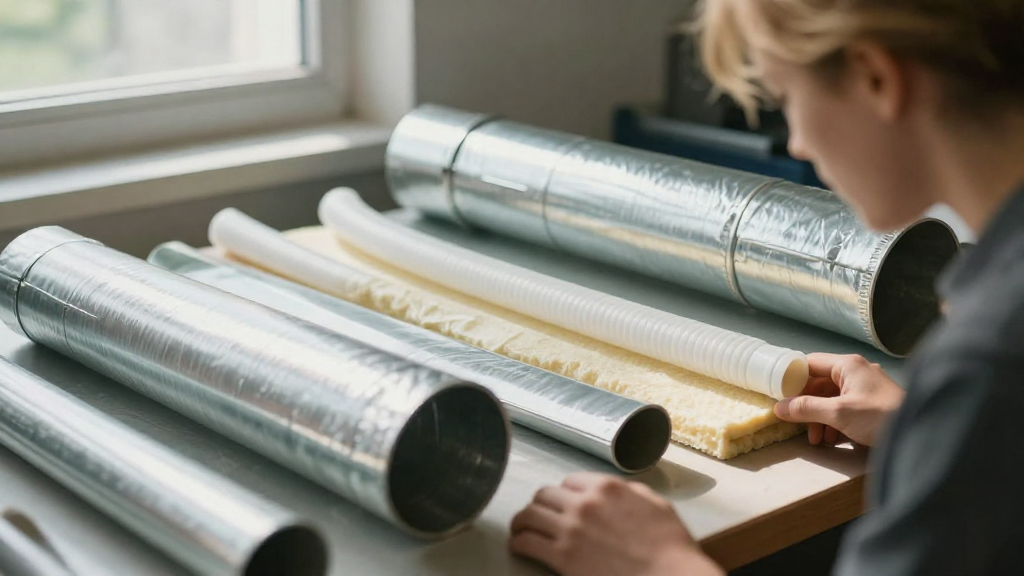
Choosing the right materials for air conditioning ducts is crucial for efficiency, durability, and air quality.
What Are the Common Air Conditioning Duct Materials?
When it comes to air conditioning duct materials, there are several common options available. The choice you make can significantly impact the performance of your HVAC system.
Here are the most prevalent materials used for air conditioning ducts:
-
Sheet Metal
– Galvanized Steel: Durable and resistant to rust, making it a popular choice for commercial installations.
– Aluminum: Lightweight, corrosion-resistant, and easy to install, aluminum ducts are ideal for residential settings. -
Flexible Ducting
– Flexible Non-Metallic Ducts: These ducts are made of a plastic material and are insulated for efficiency. They are flexible, allowing for easy installation in tight spaces.
– Flexible Metal Ducts: Made of thin metal, these ducts can bend and fit in various configurations but might not be as insulated as their non-metallic counterparts. -
Fiberglass Duct Boards
– This material combines insulation and ductwork into one unit, providing excellent thermal performance while reducing noise. -
Fabric Ducts
– These are made from permeable fabrics and are often used in specialized applications like warehouses and gyms. They offer excellent air distribution and are often washable.
Why Is the Choice of Air Conditioning Duct Materials Important?
The choice of air conditioning duct materials is vital because it affects several key factors:
- Energy Efficiency: The right materials can reduce energy losses, ensuring less strain on your HVAC system and lower energy bills.
- Air Quality: Poor-quality duct materials can harbor dust, bacteria, and mold, compromising the air quality in your indoor environment.
- Durability: Some materials are more resistant to wear and tear, which can lead to longer-lasting ductwork and less frequent repairs.
- Noise Level: Certain materials, like fiberglass duct boards, can help absorb sound, making your air conditioning system quieter.
How Do I Determine the Best Air Conditioning Duct Materials for My Space?
To choose the best air conditioning duct materials, consider the following factors:
-
Building Type
– Residential vs. Commercial: The type of structure can dictate whether you need lightweight, flexible ducts for home use or robust, insulated ducts for larger commercial buildings. -
Climate
– Hot vs. Cold Regions: In areas with extreme temperatures, insulated materials are crucial to maintaining efficiency. Look for ducts that are designed to minimize thermal loss. -
Installation Space
– Attics, Crawl Spaces, or Walls: Depending on the installation area, you’ll want to select duct materials that can easily fit into tight or awkward spaces. -
Budget
– Upfront Costs vs. Long-Term Savings: Some materials may have a lower initial cost but could become expensive due to higher energy consumption or maintenance needs over time.
What Are the Benefits of Traditional Materials vs. New Innovations in Air Conditioning Ducting?
When comparing traditional air conditioning duct materials like sheet metal and fiberglass to newer innovations, it’s essential to weigh the benefits of each category.
Traditional Materials
- Sheet Metal Ducts:
- Pros: Quality durability and resistance to fire.
-
Cons: Can be prone to leaks if not sealed properly, leading to energy losses.
-
Fiberglass Ducts:
- Pros: Outstanding insulation properties, noise reduction, and energy efficiency.
- Cons: Prone to mold growth if not maintained correctly.
New Innovations
- Fabric Ducts:
- Pros: Enhanced air distribution, lighter weight, and ease of cleaning.
-
Cons: Generally less durable than metal options and may require more frequent replacement.
-
Flexible Ducting:
- Pros: Flexible and easy to install in complicated spaces with fewer seams.
- Cons: Potential for higher pressure drops, which can reduce system efficiency.
How Do I Ensure My Air Conditioning Ducts are Installed Properly?
Using the right air conditioning duct materials is only part of the equation. Proper installation is equally important. Consider these tips to ensure your ducts are installed correctly:
-
Hire Experienced Professionals:
– Always work with certified HVAC technicians who understand the nuances of duct installation. -
Use the Right Seals:
– Ensure that all ducts are properly sealed to prevent air leaks. Poor sealing can negate the benefits of your chosen duct materials. -
Consider Insulation Needs:
– Be sure that the ducts you use are insulated adequately for your climate to minimize energy loss. -
Regular Maintenance:
– Schedule routine inspections to check for leaks or wear in your ductwork, regardless of the material used.
What Are the Costs Associated with Different Air Conditioning Duct Materials?
The costs of air conditioning duct materials can vary significantly based on several factors:
- Material Type:
-
Metallic ducts typically range from $2 to $5 per linear foot for installation, while flexible ducts can range from $1 to $4.
-
Installation Complexity:
-
More complex installations will naturally incur higher labor costs. Ducts installed in limited access areas may also require additional support.
-
Maintenance Requirements:
- Consider future costs. For instance, while fiberglass ducts may have a higher upfront cost, they may save money on energy bills in the long run.
How Can I Maximize the Efficiency of My Air Conditioning Duct System?
Regardless of which air conditioning duct materials you choose, here are several strategies to maximize efficiency:
- Regular Cleaning: Maintain clean ducts by scheduling regular cleanings to reduce dust buildup.
- Proper Sizing: Ensure ducts are correctly sized for your HVAC system; undersized ducts can restrict airflow, reducing efficiency.
- Zoning Systems: Consider a zoning system to optimize temperature control in different areas of your home, improving comfort and efficiency.
By considering each of these components, you can make an informed decision about the right materials for your air conditioning ducts.
Choosing the appropriate air conditioning duct materials is essential not just for efficiency and air quality but also for maximizing your investment.
From the moment of installation to the long-term operation of your HVAC system, the right duct material will ensure superior performance and comfort for years to come.